


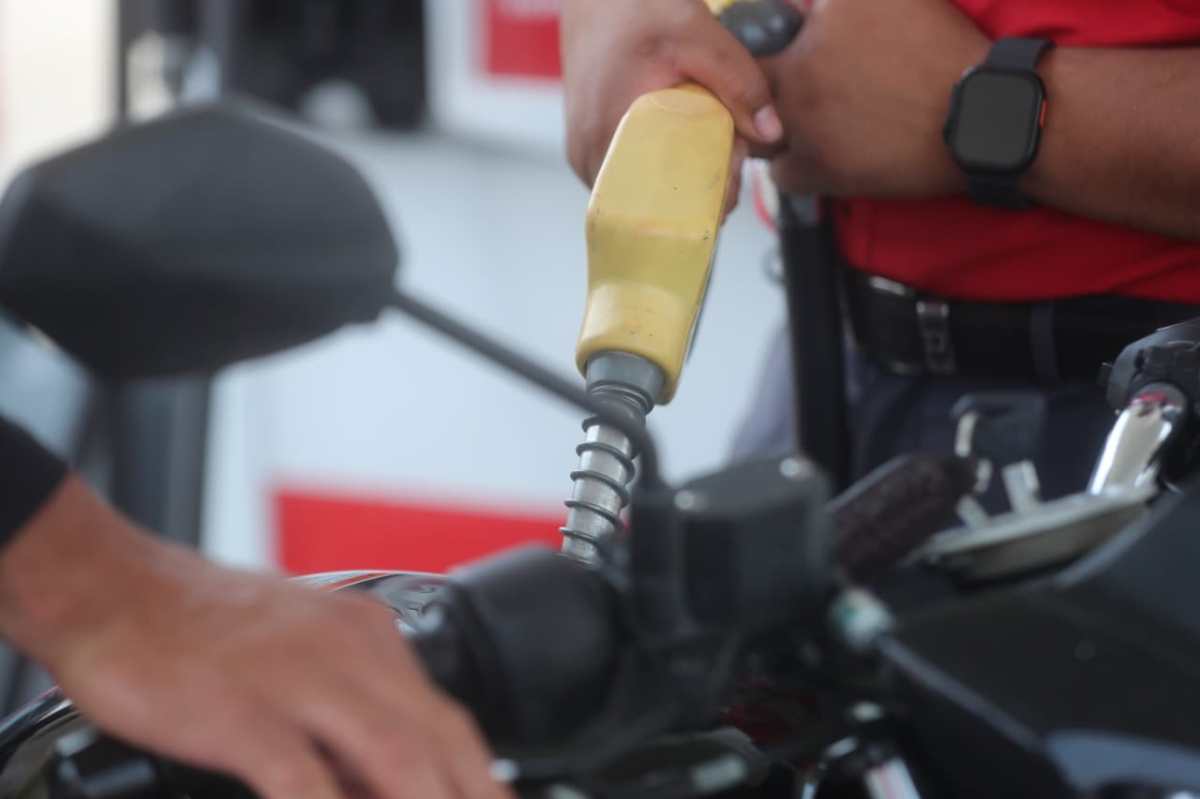
Fuel subsidy in Guatemala could run out as international prices fall
Translated from Spanish, summarized and contextualized by DistantNews.
At a glance
News
Official statement
New plan
- Guatemala's fuel subsidy, active for seven weeks, has disbursed Q1.39 billion, nearing its Q2 billion limit.
- At the current consumption rate, the subsidy funds are projected to run out around the first week of July.
- International oil prices are decreasing due to eased tensions between the U.S. and Iran, potentially leading to lower domestic fuel prices.
Guatemala's fuel subsidy, implemented on April 28, 2026, has disbursed over Q1.39 billion in seven weeks, representing approximately 70% of the approved Q2 billion total. With an average weekly disbursement of around Q200 million, authorities project that the funds will be exhausted by the first week of July, around the tenth week of its operation.
The subsidy, established by Decree 11-2026, provides Q8 per gallon for diesel and Q5 per gallon for superior and regular gasoline. It was set to last for three months or until the allocated funds were depleted, whichever came first. As of June 15, the seventh week's payment was Q188.9 million.
Despite the rapid depletion of the subsidy, international oil prices are showing a downward trend. Viceminister of Energy and Mines, Erwin Barrios, indicated that easing tensions between the United States and Iran are contributing to reduced pressure on global oil prices. This could lead to a gradual decrease in national fuel prices if current conditions persist, potentially normalizing export flows through the Strait of Hormuz and increasing global oil availability.
In line with international trends, domestic fuel prices have decreased for the third consecutive week. As of the week of June 23-29, diesel prices dropped to Q27.30 per gallon, while superior and regular gasoline fell to Q31.14 and Q32.14 respectively. While MEM had considered options to focus the subsidy on essential transport, no formal proposals have been presented by the government or Congress for its extension or modification.
if conditions are maintained as reflected so far, a deceleration in the pace of increase in national fuel prices could be observed. Even a gradual downward trend is foreseen, as a result of reduced pressure on international oil prices.
DistantNews Editorial
Originally published by Prensa Libre in Spanish. Translated, summarized, and contextualized by our editorial team with added local perspective. Read our editorial standards.
More Stories

From Our Blog

What Gets Lost (and Found) When News Is Translated

The Critical Role of Diaspora Media in Global News

What Travellers Should Know About Countries with Restricted Press

A Digital Nomad's Guide to Following Local News

How the Same Story Looks Different in Different Countries
