


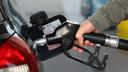
Gas station safety: Experts warn against skipping static discharge step
Translated from Croatian, summarized and contextualized by DistantNews.
At a glance
News
Named sources
Context piece
- Experts warn that static electricity buildup when exiting a vehicle at a gas station can be dangerous.
- This static discharge can create a spark capable of igniting fuel vapors around the nozzle.
- The Institute of Petroleum Equipment reports around 200 incidents since the mid-1990s, though actual cases may be higher.
A crucial step often overlooked when refueling a vehicle could potentially save lives: touching your car after exiting it before pumping gas. Experts explain that the simple act of moving out of a vehicle can generate static electricity.
This accumulated static electricity poses a significant risk at gas stations. If you then proceed to pump fuel, the static discharge from your body to the metal nozzle can create a dangerous spark. Scott Boorse, director of technical programs and affairs at the Institute of Petroleum Equipment (PEI), stated that "this spark is enough to ignite any vapor that might be around the tip of the nozzle."
The spark is enough to ignite any vapor that might be around the tip of the nozzle.
The PEI has documented approximately 200 incidents related to static electricity at gas pumps since the mid-1990s. Boorse suggests that the actual number of such occurrences is likely higher, as not all minor incidents may be reported. While small sparks are common, fires caused by static electricity are rarer, but the potential for a catastrophic event remains.
To mitigate this risk, it is recommended to touch a metal part of your car away from the fuel pump after exiting and before starting to refuel. This action helps to dissipate any static charge you may have built up, preventing a potentially hazardous spark. This simple preventative measure is vital for ensuring safety at the gas station.
You get a static discharge from your body into that metal nozzle, and when that happens, there's a possibility of a spark.
DistantNews Editorial
Originally published by Večernji List in Croatian. Translated, summarized, and contextualized by our editorial team with added local perspective. Read our editorial standards.
More Stories


From Our Blog

What Gets Lost (and Found) When News Is Translated

The Critical Role of Diaspora Media in Global News

What Travellers Should Know About Countries with Restricted Press

A Digital Nomad's Guide to Following Local News

How the Same Story Looks Different in Different Countries
