

Gdańsk conference on Ukraine's reconstruction marked by Zelenskyy's absence and UPA dispute
Translated from Polish, summarized and contextualized by DistantNews.
At a glance
Analysis
Sources not specified
Context piece
- A conference on Ukraine's reconstruction in Gdańsk, Poland, proceeded despite Polish-Ukrainian tensions.
- The absence of Ukrainian President Volodymyr Zelenskyy and a dispute over the UPA were notable.
- Polish organizers and the handling of the UPA issue were points of discussion among attendees.
The Conference on the Reconstruction of Ukraine (URC) held in Gdańsk, Poland, unfolded with several unexpected elements, despite expectations that it would be overshadowed by recent Polish-Ukrainian diplomatic friction. Discussions with attendees revealed perspectives on Ukrainian President Volodymyr Zelenskyy's absence and the unresolved dispute concerning the Ukrainian Insurgent Army (UPA).
Initially, the conference was anticipated to focus on damage control following a diplomatic spat. This crisis was triggered when Zelenskyy honored an elite military unit named after the UPA, leading to Polish President Karol Nawrocki revoking the Order of the White Eagle and the subsequent cancellation of Zelenskyy's visit to Poland. Reports also circulated regarding the conference's organization, including a lack of clarity on panel participants in the initial agenda.
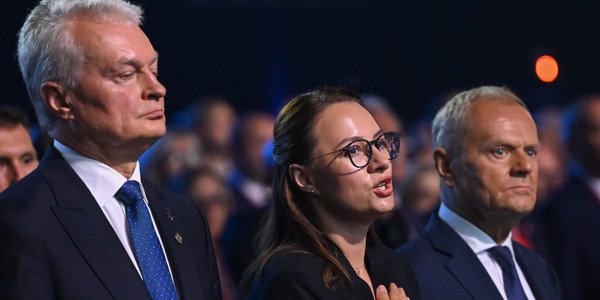
Despite these underlying tensions, the event proceeded, featuring discussions on Ukraine's recovery. Lithuanian President Gitanas Nausėda and Ukrainian Prime Minister Yulia Svyrydenko were among the high-profile attendees alongside Polish Prime Minister Donald Tusk. The conference aimed to gather support and coordinate efforts for Ukraine's post-war rebuilding.
However, the lingering issue of the UPA, a historical Ukrainian nationalist organization responsible for massacres of Poles during World War II, remained a sensitive point. The Polish side has consistently demanded an apology or acknowledgment from Ukraine regarding these historical events. The conference's proceedings, while focused on future reconstruction, could not entirely escape the weight of historical grievances and ongoing political sensitivities between the two neighboring countries.
DistantNews Editorial
Originally published by Rzeczpospolita in Polish. Translated, summarized, and contextualized by our editorial team with added local perspective. Read our editorial standards.
More Stories
From Our Blog

What Gets Lost (and Found) When News Is Translated

The Critical Role of Diaspora Media in Global News

What Travellers Should Know About Countries with Restricted Press

A Digital Nomad's Guide to Following Local News

How the Same Story Looks Different in Different Countries
