

General Contractor Mechanism: Delivering Complete Packages, Full Responsibility in HCMC
Translated from Vietnamese, summarized and contextualized by DistantNews.
TLDR
- Ho Chi Minh City is adopting a general contractor mechanism for major infrastructure projects, entrusting entire packages to capable single entities to improve efficiency and quality.
- This approach aims to shorten construction times and reduce costs, with examples like THACO being appointed general contractor for the Metro Line 2 section.
- However, many large projects in the city have faced delays despite numerous contractors, indicating potential issues with coordination and execution under the traditional multi-contractor model.
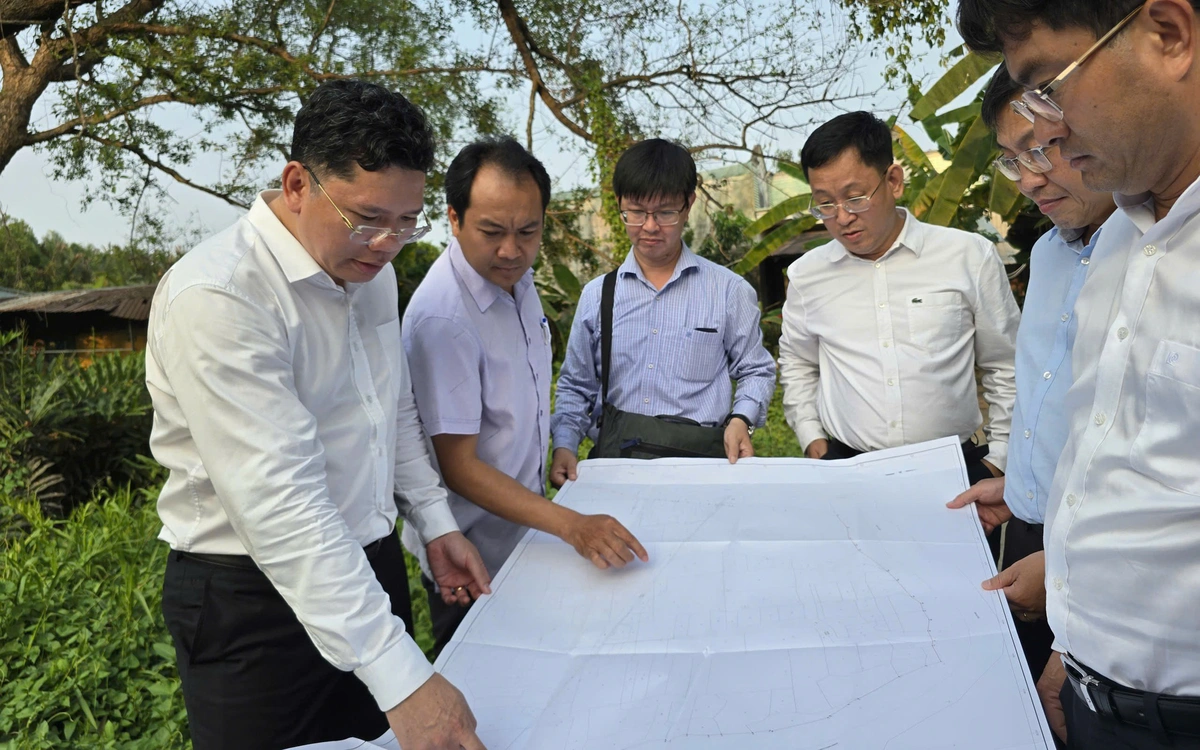
Ho Chi Minh City is pioneering a new approach to infrastructure development by implementing a general contractor mechanism for its large-scale projects. This strategy involves handing over entire project packages to a single, capable entity, granting them comprehensive responsibility and authority. The goal is to streamline the construction process, reduce overall costs, and elevate the quality of the finished works. A prime example of this new model is the appointment of THACO as the general contractor for the Ben Thanh-Tham Luong section of Metro Line 2, signaling a significant shift in how the city plans to tackle its ambitious urban development agenda.
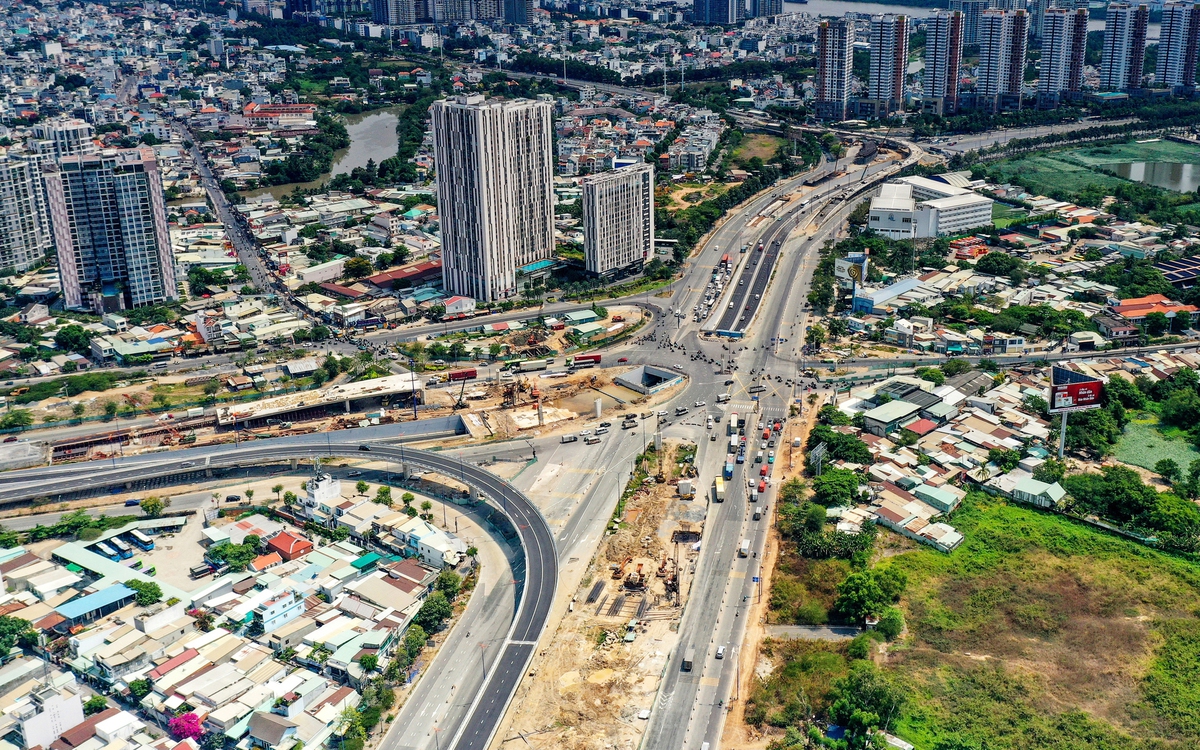
This move comes as a direct response to persistent challenges faced in previous projects. Many of Ho Chi Minh City's major infrastructure undertakings have been plagued by a common issue: a multitude of contractors involved, yet a persistent lag in construction progress. Projects like the An Phu intersection, the Tham Luong-Ben Cat canal renovation, and the HCMC Ring Road 3 have all seen numerous bidding packages and a vast number of participating contractors, but construction sites often remain mired in difficulties, failing to meet planned timelines.
The sheer complexity of managing a fragmented contractor landscape has proven to be a significant bottleneck. For instance, the An Phu intersection project, despite a substantial investment, was divided into over 20 packages involving more than 20 main construction contractors alone. Similarly, the Tham Luong-Ben Cat canal renovation project involved 10 joint ventures comprising 68 enterprises as main contractors, plus an additional 14 companies acting as subcontractors. This intricate web of contracts, where main contractors sometimes subcontract within their own consortium or even hire other main contractors as subcontractors, has led to confusion, delays, and a lack of clear accountability, hindering the timely completion of these vital projects.
DistantNews Editorial
Originally published by Tuổi Trẻ in Vietnamese. Translated, summarized, and contextualized by our editorial team with added local perspective. Read our editorial standards.
More Stories

From Our Blog

What Gets Lost (and Found) When News Is Translated

The Critical Role of Diaspora Media in Global News

What Travellers Should Know About Countries with Restricted Press

A Digital Nomad's Guide to Following Local News

How the Same Story Looks Different in Different Countries
