


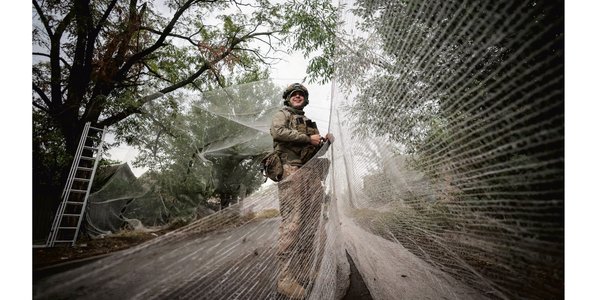
General: These ten minutes decide survival during war
Translated from Polish, summarized and contextualized by DistantNews.
At a glance
News
Sources not specified
Context piece
- Modern warfare, characterized by increased range, speed, and precision, demands a completely different approach to medical support for soldiers.
- Data from the Ukraine conflict shows that 70-75% of injuries now result from drone-delivered explosives.
- The Military Institute of Medicine in Warsaw analyzes operational data from conflict zones to guide the development of medical technologies and training programs.
The nature of 21st-century warfare, with its enhanced range, speed, precision, and destructive power, necessitates a radical rethinking of medical support for soldiers on the battlefield. General Grzegorz Gielerak, director of the Military Institute of Medicine in Warsaw, emphasizes that current medical organization must adapt to effectively save lives in this evolving combat environment.
Drawing on data from the conflict in Ukraine, Gielerak highlights a significant shift in injury patterns. Approximately 70-75% of current combat injuries are now attributed to explosions from devices carried by drones. This statistic underscores the growing threat posed by unmanned aerial systems and the need for specialized medical responses to treat such wounds.
Warfare in the 21st century means greater range, speed, precision, and also greater destructive power of combat means. In such conditions, the organization of medical security, if it is to actually save soldiers' lives, must look completely different than before.
General Gielerak, while acknowledging the value of direct combat experience, relies heavily on the analytical work conducted by his team at the Military Institute of Medicine. For years, the institute has been meticulously analyzing medical operational data from various theaters of war, with a primary focus on Ukraine, and previously from Iraq and Afghanistan. This rigorous analysis informs the direction of medical technology development and shapes the training programs for personnel deployed to conflict zones.
The institute's findings are crucial for ensuring that military medical services remain effective. By studying real-world data, they can identify emerging threats, understand the specific challenges faced by medical personnel, and develop innovative solutions. This evidence-based approach is vital for improving soldier survivability and enhancing the overall medical readiness of the armed forces in the face of modern warfare's complexities.
70-75% of injuries currently occur as a result of detonations of charges carried by drones.
DistantNews Editorial
Originally published by Rzeczpospolita in Polish. Translated, summarized, and contextualized by our editorial team with added local perspective. Read our editorial standards.
More Stories


From Our Blog

What Gets Lost (and Found) When News Is Translated

The Critical Role of Diaspora Media in Global News

What Travellers Should Know About Countries with Restricted Press

A Digital Nomad's Guide to Following Local News

How the Same Story Looks Different in Different Countries
