

Putin's Bunker Mentality: Fear of Drones, Elite, and Public Drives Extreme Security
Translated from Polish, summarized and contextualized by DistantNews.
At a glance
News
Named sources
Context piece
- Russian President Vladimir Putin has implemented heightened security measures, including banning watches and phones at meetings, reflecting increased paranoia and fear.
- These measures intensified after a bomb attack killed a high-ranking general in Moscow and following the assassination of Iran's Supreme Leader Ali Khamenei.
- Putin has significantly reduced his public appearances and travel outside Moscow, avoiding military units he previously visited frequently, indicating a shift in his operational security.
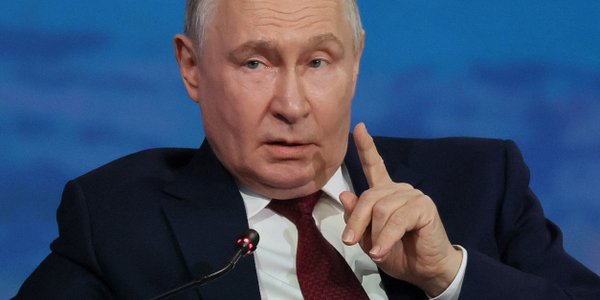
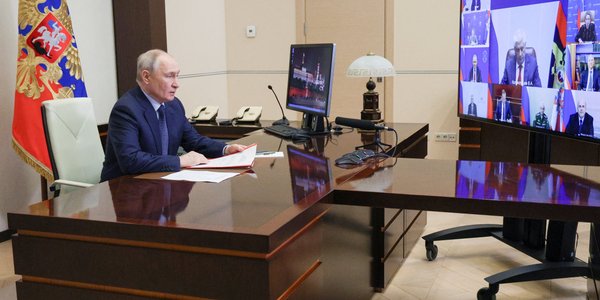
An atmosphere of heightened suspicion and fear pervades the Kremlin, leading to increasingly stringent security protocols around President Vladimir Putin. Recent directives prohibit participants from bringing mobile phones or even watches, whether electronic or mechanical, to meetings with the Russian leader. This move, observed by independent journalists through analysis of meeting footage, suggests a deep-seated concern for the president's safety.
The latest wave of security paranoia appears to have been triggered not solely by the ongoing war in Ukraine or drone attacks on Moscow, but by the assassination of General Faniil Sarwarov, head of the operational department of the Russian General Staff, in late December. Sarwarov was killed by a car bomb, an event that reportedly led to a heated exchange between military and FSB leadership regarding security failures.
These security concerns have also led to a drastic reduction in Putin's public movements. Since the beginning of the year, he has made only two trips outside Moscow, both to St. Petersburg, and has not visited military units, a frequent occurrence in the previous year. This confinement to the capital underscores a significant shift in his operational security posture.
Further tightening of security measures followed the February 28 assassination of Iran's Supreme Leader Ali Khamenei. The incident, which involved intelligence leveraging road monitoring systems, prompted Russian security to temporarily disconnect their own leader's surveillance systems to check for potential breaches. This reflects a broader global anxiety among autocratic leaders regarding sophisticated intelligence operations and the vulnerability of their security apparatus.
Phones are no longer allowed (at meetings with Putin), and now they've also banned watches: both electronic and mechanical.
DistantNews Editorial
Originally published by Rzeczpospolita in Polish. Translated, summarized, and contextualized by our editorial team with added local perspective. Read our editorial standards.
More Stories

From Our Blog

What Gets Lost (and Found) When News Is Translated

The Critical Role of Diaspora Media in Global News

What Travellers Should Know About Countries with Restricted Press

A Digital Nomad's Guide to Following Local News

How the Same Story Looks Different in Different Countries
