


Geologist Warns Earth May Enter New Cycle of Major Catastrophes
Translated from Romanian, summarized and contextualized by DistantNews.
At a glance
Analysis
Named sources
Context piece
- A new study suggests Earth may be entering a cycle of major natural catastrophes, including earthquakes, volcanic eruptions, and mass extinctions, occurring roughly every 27 million years.
- The research analyzes 89 major geological events over the past 260 million years, finding patterns that align with this cyclical hypothesis.
- Potential causes include deep Earth processes like mantle convection or the Solar System's movement through the galaxy, though the hypothesis remains controversial.
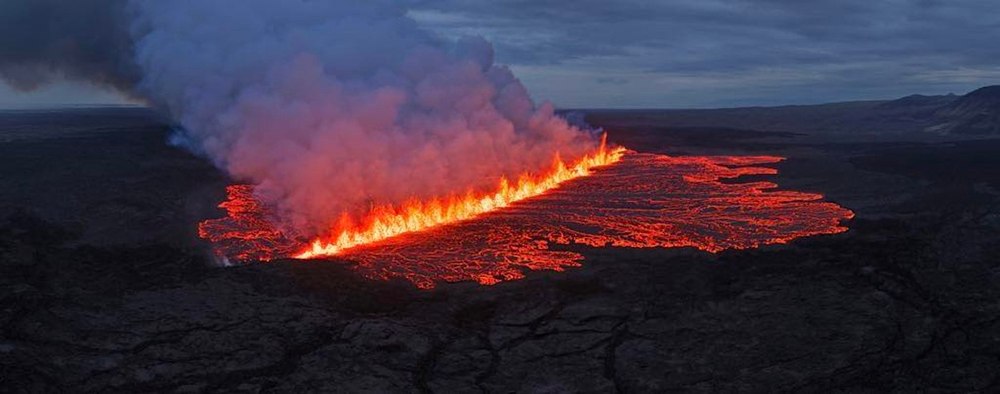
Earth may be entering a new phase of major natural disasters, including devastating earthquakes, massive volcanic eruptions, and even asteroid impacts, according to a controversial new study. Researchers propose these events could be part of a natural cycle repeating approximately every 27 million years.
Geology professor Michael Rampino from New York University analyzed 89 major geological events over the last 260 million years, utilizing updated data on geological formations and modern statistical methods. His research examined mass marine extinctions, ocean anoxia periods, continental-scale volcanic eruptions, major earthquakes, sea-level variations, and changes in the rate of seafloor spreading. Rampino's analysis indicates that many of these events cluster around a primary cycle of about 27 million years, with shorter intervals of approximately 8.9 million years and longer cycles reaching up to 270 million years also identified.
The hypothesis of such a geological rhythm has been discussed since the 1980s but has not gained widespread acceptance. Many geologists argue that a single mechanism cannot explain such diverse events. However, Rampino suggests that periodic changes in mantle convection, the slow movement of the semi-fluid layer beneath Earth's crust, could be the key. While mantle convection is extremely slow, cyclical shifts might intensify volcanic activity, tectonic plate movement, and other large-scale geological processes. These transformations could then trigger cascading effects on oceans, climate, and ecosystems, leading to mass extinctions.
Rampino points to the correlation between massive volcanic provinces, vast areas covered by lava from gigantic eruptions, and the 27-million-year intervals identified in his study. Notably, two of the planet's most significant extinctions coincided with these massive eruptions. Another explanation explored by the researcher involves long-term variations in Earth's orbit, which could alter the distribution of ice, water, and sediments, thereby influencing crustal stresses and tectonic activity. The study's most debated aspect is the potential link between these geological cycles and extraterrestrial factors, such as the Solar System's passage through the Milky Way galaxy.
DistantNews Editorial
Originally published by Adevărul in Romanian. Translated, summarized, and contextualized by our editorial team with added local perspective. Read our editorial standards.
More Stories



From Our Blog

What Gets Lost (and Found) When News Is Translated

The Critical Role of Diaspora Media in Global News

What Travellers Should Know About Countries with Restricted Press

A Digital Nomad's Guide to Following Local News

How the Same Story Looks Different in Different Countries
