

German Foreign Minister Urges Faster Shift to Renewables After Hormuz Blockade
Translated from German, summarized and contextualized by DistantNews.
At a glance
News
From a news agency
Context piece
- German Foreign Minister Johann Wadephul calls for accelerating the transition to renewable energies, citing the blockade of the Strait of Hormuz as a wake-up call.
- Wadephul argues that reducing reliance on fossil fuels is crucial not only for climate change but also for energy security and economic stability.
- He rejects further relief measures for citizens, stating that rising energy prices are an unavoidable consequence of major global conflicts.
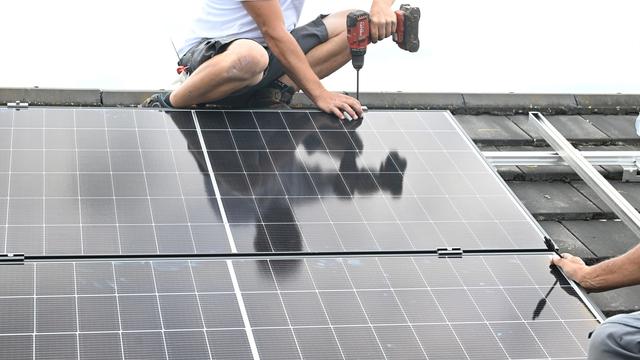
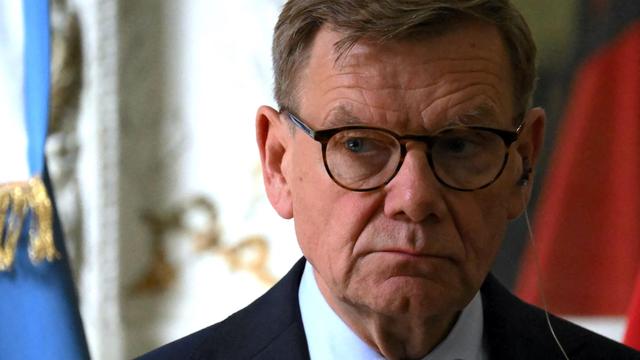
German Foreign Minister Johann Wadephul is urging a faster shift to renewable energy sources, viewing the recent blockade of the Strait of Hormuz as a critical warning. He believes this event should strengthen Germany's resolve to move away from fossil fuels and enhance its energy independence.
The blockade of the Strait of Hormuz was a wake-up call to us all. It must strengthen us in our resolve to break away from fossil fuels even more consistently and become more independent.
Wadephul stated that the arguments for renewable energy, already strong due to climate change concerns, are now amplified by security and economic considerations. He emphasized that the disruptions in global trade routes underscore the need for greater self-sufficiency in energy.
However, Wadephul opposes further financial relief measures for citizens, such as fuel subsidies. He contends that such measures do not offer a permanent solution and could strain national resources. The minister acknowledged that major conflicts in Ukraine and the Persian Gulf inevitably lead to increased energy and other prices, stressing the importance of honesty with the public about these consequences.
I don't think that's the right way. The effects cannot be permanently neutralized with it and would eventually overwhelm our capacities.
His remarks come amid rising oil and gas prices following the Hormuz blockade, a vital global trade artery. The head of the European Central Bank, Christine Lagarde, has also advocated for expanding renewable energy. Conversely, some business groups and a faction within the CDU have called for delaying Germany's climate neutrality goals, and the EU Commission has proposed weakening emissions trading regulations.
It is part of honesty to tell people that the major conflicts in Ukraine and the Gulf region unfortunately lead to energy prices and other prices rising.
DistantNews Editorial
Originally published by Die Zeit in German. Translated, summarized, and contextualized by our editorial team with added local perspective. Read our editorial standards.
More Stories
From Our Blog

What Gets Lost (and Found) When News Is Translated

How the Same Story Looks Different in Different Countries

The Critical Role of Diaspora Media in Global News

What Travellers Should Know About Countries with Restricted Press

A Digital Nomad's Guide to Following Local News
