

Germany softens subsidy cuts for rooftop solar power
Translated from German, summarized and contextualized by DistantNews.
At a glance
News
From a news agency
New plan
- Germany's Economy Minister Katherina Reiche has softened plans for cuts to subsidies for new small solar installations.
- The revised Renewable Energy Sources Act proposes a temporary, reduced feed-in tariff for up to 36 months for systems up to 25 kilowatts.
- The move aims to reduce promotion costs while adapting the expansion of solar power to grid capacity and avoiding costly curtailments.
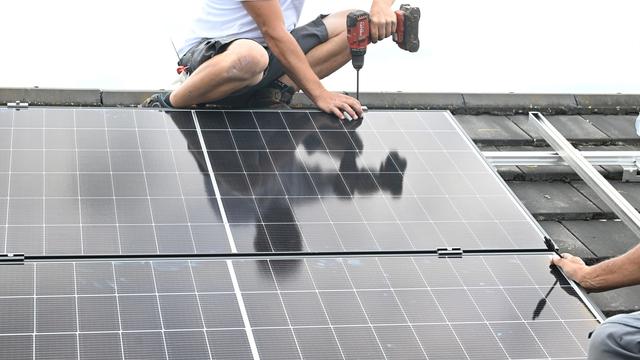
German Economy Minister Katherina Reiche has moderated her proposed cuts to subsidies for new small solar installations, according to a new draft of the Renewable Energy Sources Act (EEG). The revised plan introduces a temporary, reduced feed-in tariff lasting up to 36 months for systems up to 25 kilowatts, after which operators would transition to direct marketing.
This adjustment targets small solar systems, primarily those owned by private individuals, that are installed from 2027 onwards. Previously, Reiche had planned to completely abolish the fixed feed-in tariff for these new small systems starting in 2027, a proposal that drew significant criticism. The new transitional system aims to ease the shift away from fixed tariffs.
"Small systems under 25 kilowatts installed capacity, especially small rooftop PV, will no longer receive permanent support," Reiche's ministry stated. However, a "temporary transitional payment" is intended to ensure a smooth transition. Following this period, small systems could benefit from a direct marketing bonus for four years. Direct marketing involves selling electricity through a service provider on energy exchanges, potentially allowing individuals to profit from high prices, though this model is more susceptible to price fluctuations than fixed tariffs.
Small systems under 25 kilowatts installed capacity, especially small rooftop PV, will no longer receive permanent support.
The Renewable Energy Sources Act has promoted the expansion of green electricity in Germany since 2000. The goal is to reach 80 percent of electricity generation from renewables by 2030, up from 58 percent in 2025. Reiche's reform aims to curb the rising costs of this promotion. An earlier draft faced objections from SPD ministers, who feared it would slow down the energy transition.
Reiche's stated objective is to align the expansion of wind and solar installations with the slow pace of grid expansion, thereby avoiding costly "curtailments." These are compensation payments made when renewable energy facilities must be temporarily shut down due to insufficient grid capacity, a process known as "Redispatch." Under the new plans, this compensation will no longer apply to new installations in areas prone to frequent grid bottlenecks. The ministry has refined this aspect as well, with the "cessation of Redispatch compensation in bottleneck areas being adjusted more precisely."
The cessation of Redispatch compensation in bottleneck areas being adjusted more precisely.
DistantNews Editorial
Originally published by Die Zeit in German. Translated, summarized, and contextualized by our editorial team with added local perspective. Read our editorial standards.
More Stories
From Our Blog

What Gets Lost (and Found) When News Is Translated

How the Same Story Looks Different in Different Countries

The Critical Role of Diaspora Media in Global News

What Travellers Should Know About Countries with Restricted Press

A Digital Nomad's Guide to Following Local News
