

German minister blames Trump for Strait of Hormuz closure
Translated from Hungarian, summarized and contextualized by DistantNews.
At a glance
News
Named sources
Context piece
- German Defense Minister Boris Pistorius blamed former U.S. President Donald Trump for the closure of the Strait of Hormuz.
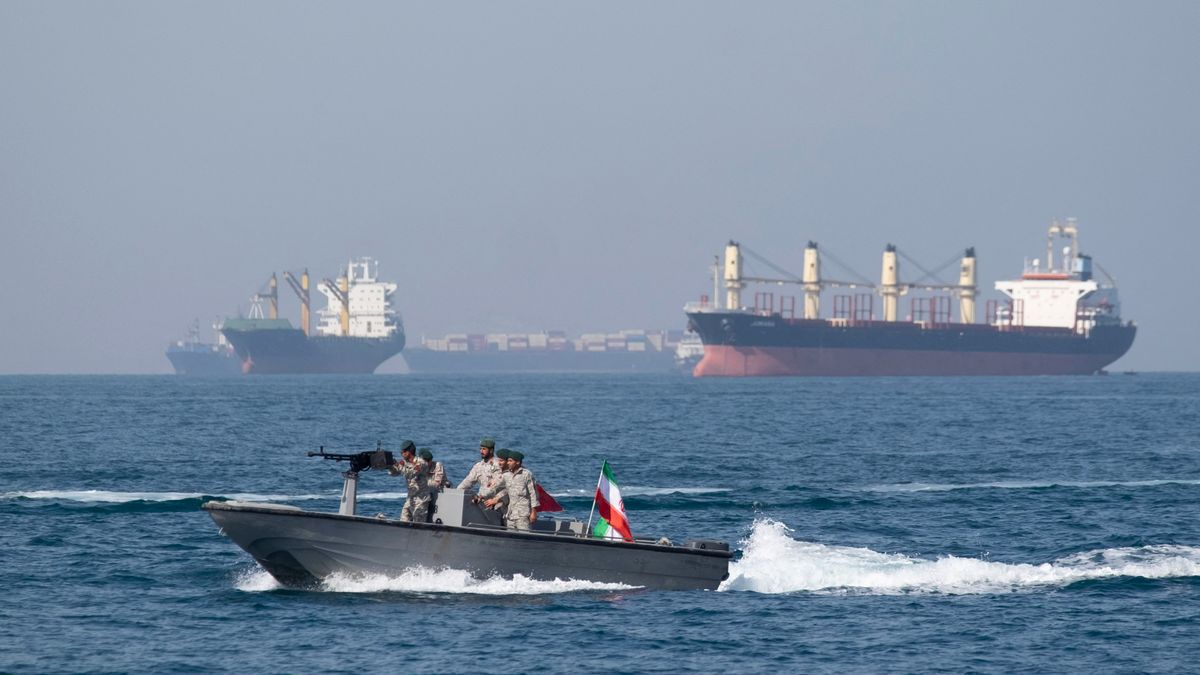
- The strait, a crucial oil and gas transport route, was effectively blocked due to military actions initiated by the U.S. and Israel against Iran.
- Germany, along with other European nations, has an interest in reopening the strait for energy security and economic recovery.
German Defense Minister Boris Pistorius has directly attributed the closure of the Strait of Hormuz to former U.S. President Donald Trump, stating that while Germany did not cause the blockage, it has a vested interest in its reopening. "Ultimately, Donald Trump put the cork in the Strait of Hormuz, not us, but we are interested in pulling it out again," Pistorius told the German television channel ARD.
Ultimately, Donald Trump put the cork in the Strait of Hormuz, not us, but we are interested in pulling it out again.
The vital waterway for oil and gas transport was effectively blocked amid military actions that began on February 28, following attacks by the U.S. and Israel against Iran. A preliminary agreement, reportedly signed by Trump and his Iranian counterpart Masoud Pezeshkian, had seen Tehran agree to reopen the strait, leading to a recovery in shipping. However, Iran announced on Saturday that it was closing the passage again due to Israeli attacks in Lebanon.
The opening of the Strait of Hormuz, or rather, the possibility of sailing through it safely, is in Europe's interests, in the interests of our energy supply and economic recovery.
Pistorius emphasized that the reopening of the Strait of Hormuz is crucial for European interests, particularly for energy supply and economic revitalization. He added that any agreement to reopen the strait should be supported by both Iran and Oman. Berlin has previously distanced itself from Trump's campaign against Iran, although officials have been hesitant to openly accuse the U.S. of initiating the conflict. When Trump pressured allies in April to help open the strait or ensure its security, German Chancellor Friedrich Merz stated the war was "not NATO's business." Both Merz and Pistorius had also criticized the United States for not consulting its allies before attacking Iran.
this war is not NATO's business.
DistantNews Editorial
Originally published by Magyar Nemzet in Hungarian. Translated, summarized, and contextualized by our editorial team with added local perspective. Read our editorial standards.
More Stories
From Our Blog

Countries Without a Free Press: What You Need to Know

What Press Freedom Means for the News You Read

What Gets Lost (and Found) When News Is Translated

The Critical Role of Diaspora Media in Global News

What Travellers Should Know About Countries with Restricted Press
