


German Nazi Party Member Database Sparks 'Shocking Confessions' Across Europe
Translated from Korean, summarized and contextualized by DistantNews.
TLDR
- A German weekly, Die Zeit, has launched an online search engine for a database of over 10 million Nazi Party members.
- The database, digitized from historical archives, allows anyone to check if an individual was a party member.
- The release has prompted personal revelations across Europe as individuals discover their ancestors' Nazi affiliations, challenging family narratives.
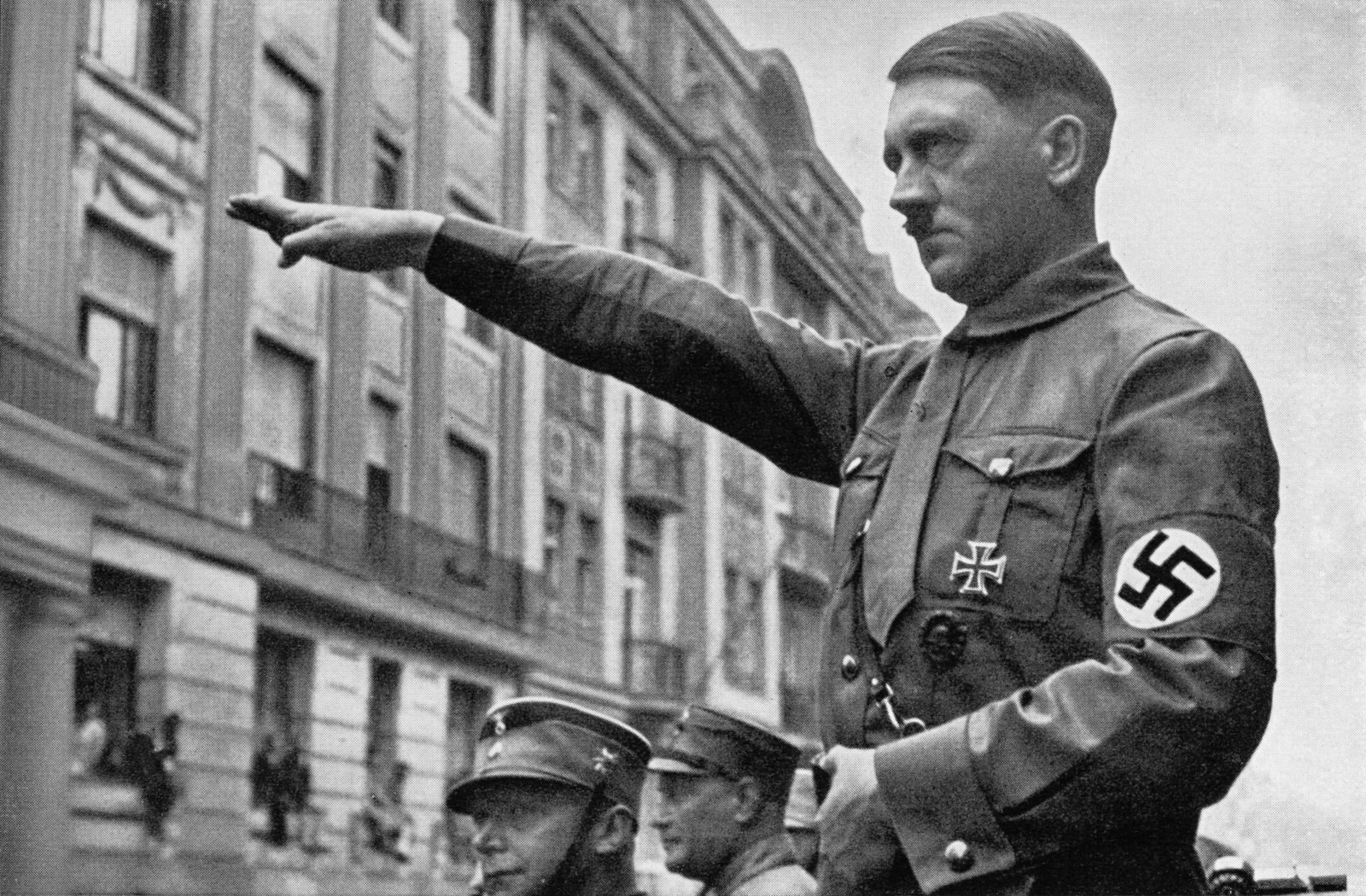
BERLIN -- A groundbreaking digital archive released by German weekly Die Zeit is sending shockwaves across Europe, offering unprecedented access to a database of over 10 million Nazi Party members. This initiative, which digitizes previously restricted historical records, allows the public to search for individuals and uncover their past affiliations with the Nazi regime.
The online search engine has become a catalyst for deeply personal discoveries, shattering long-held family myths. Many Europeans, who may have believed their ancestors were mere bystanders or victims of the era, are now confronting the reality of their relatives' direct involvement. Austrian journalist Christian Reiner, for instance, discovered his grandfather joined the Nazi party mere days after the Anschluss in 1938, a revelation that profoundly impacted his understanding of his family history.
My grandfather was a Nazi sympathizer, but I never knew he joined so early.
This project moves the focus of historical research from prominent war criminals to the individual level, encouraging a more direct confrontation with the past. While Western media often focuses on the broad political and historical implications of such discoveries, for many Europeans, this is a deeply intimate reckoning with personal heritage. The accessibility of this data, preserved through the efforts of a paper mill manager who defied orders to destroy records at the end of World War II, marks a significant shift in how societies engage with the legacy of Nazism, prompting a wave of "shocking confessions" as families grapple with uncomfortable truths.
I always believed there were no Nazi collaborators in my family, but the truth I'm facing at 71 is painful.
DistantNews Editorial
Originally published by Dong-A Ilbo in Korean. Translated, summarized, and contextualized by our editorial team with added local perspective. Read our editorial standards.
More Stories



From Our Blog

What Gets Lost (and Found) When News Is Translated

The Critical Role of Diaspora Media in Global News

What Travellers Should Know About Countries with Restricted Press

A Digital Nomad's Guide to Following Local News

How the Same Story Looks Different in Different Countries
