

German pediatricians demand action on social media, citing parental failures
Translated from German, summarized and contextualized by DistantNews.
At a glance
News
Named sources
New plan
- German pediatricians are calling for stricter regulations on social media use by children and adolescents, citing parental failure to set boundaries.
- Doctors report increasing problems related to social media's "harsh influence" on young people, impacting their ability to form independent opinions and potentially causing illness.
- Several European countries, including France, Spain, Greece, and Austria, are considering or have implemented bans on social media for minors, with Germany also planning similar measures.
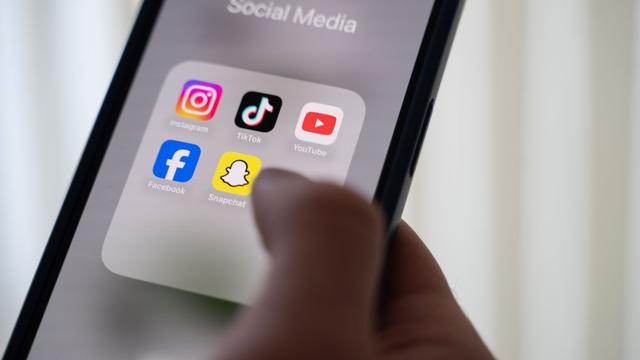
German pediatricians are demanding better protection for children and adolescents against the negative impacts of social media, attributing a significant part of the problem to parental inaction. Jakob Maske, federal spokesperson for the Association of Pediatricians (BVKJ), stated that the issues are worsening daily in his practice.
I notice almost every day in my practice that the problems are getting worse and worse.
Maske highlighted that children struggle to resist the "harsh influence" of social media platforms, while adolescents find it increasingly difficult to form independent opinions. He cited evidence suggesting that social media negatively affects the mental and cognitive health of young people, making them "sick and dumb."
The pediatricians observe a "grave parental failure" regarding social media and screen time. Maske emphasized that parents must set clear boundaries and serve as role models, but noted that this rarely happens. He described scenes in waiting rooms where parents and children are engrossed in their smartphones, with even young children using headphones and tablets.
Children can hardly escape the harsh influence on the platforms, and it is almost no longer possible for adolescents to form a free opinion.
In response to these concerns, several European nations are taking action. France became the first EU country to implement a social media ban for individuals under 15. Spain, Greece, and Austria are also planning to introduce legal age restrictions for social media use. Germany's Federal Minister for Family Affairs, Karin Prien, has also announced intentions to introduce a similar ban.
There is unfortunately a grave parental failure when it comes to social media and screen use.
The BVKJ supports the idea of a social media ban for minors, potentially up to the age of 14, and urges the German government to act decisively. Maske stressed the urgency, stating that national conditions can be set for platforms, drawing parallels with measures taken in England, and emphasizing the critical importance of this issue for the future of children and society.
It is about the future of our children and thus our society.
DistantNews Editorial
Originally published by Die Zeit in German. Translated, summarized, and contextualized by our editorial team with added local perspective. Read our editorial standards.
More Stories

From Our Blog

What Gets Lost (and Found) When News Is Translated

How the Same Story Looks Different in Different Countries

The Critical Role of Diaspora Media in Global News

What Travellers Should Know About Countries with Restricted Press

A Digital Nomad's Guide to Following Local News
