


Germany Blames Russia for Airport Drone Plot and Moves to Close Consulate and Cultural Center
Translated from Korean and summarized by DistantNews. Read the original for the full story.
At a glance
News
Named sources
Ongoing story
- Germany formally blamed Russia for an attempted drone attack involving explosives near Leipzig-Halle Airport and announced diplomatic and sanctions measures.
- Berlin plans to close Russia’s consulate general in Bonn, end the operating agreement for the Russian House in Berlin and tighten restrictions on Russian entry and sanctions evasion.
- Russia denied involvement, while the European Union and NATO expressed solidarity with Germany.
Germany has formally placed Russia behind an attempted drone attack at Leipzig-Halle Airport and responded by ordering the closure of a Russian consulate and a cultural institution.
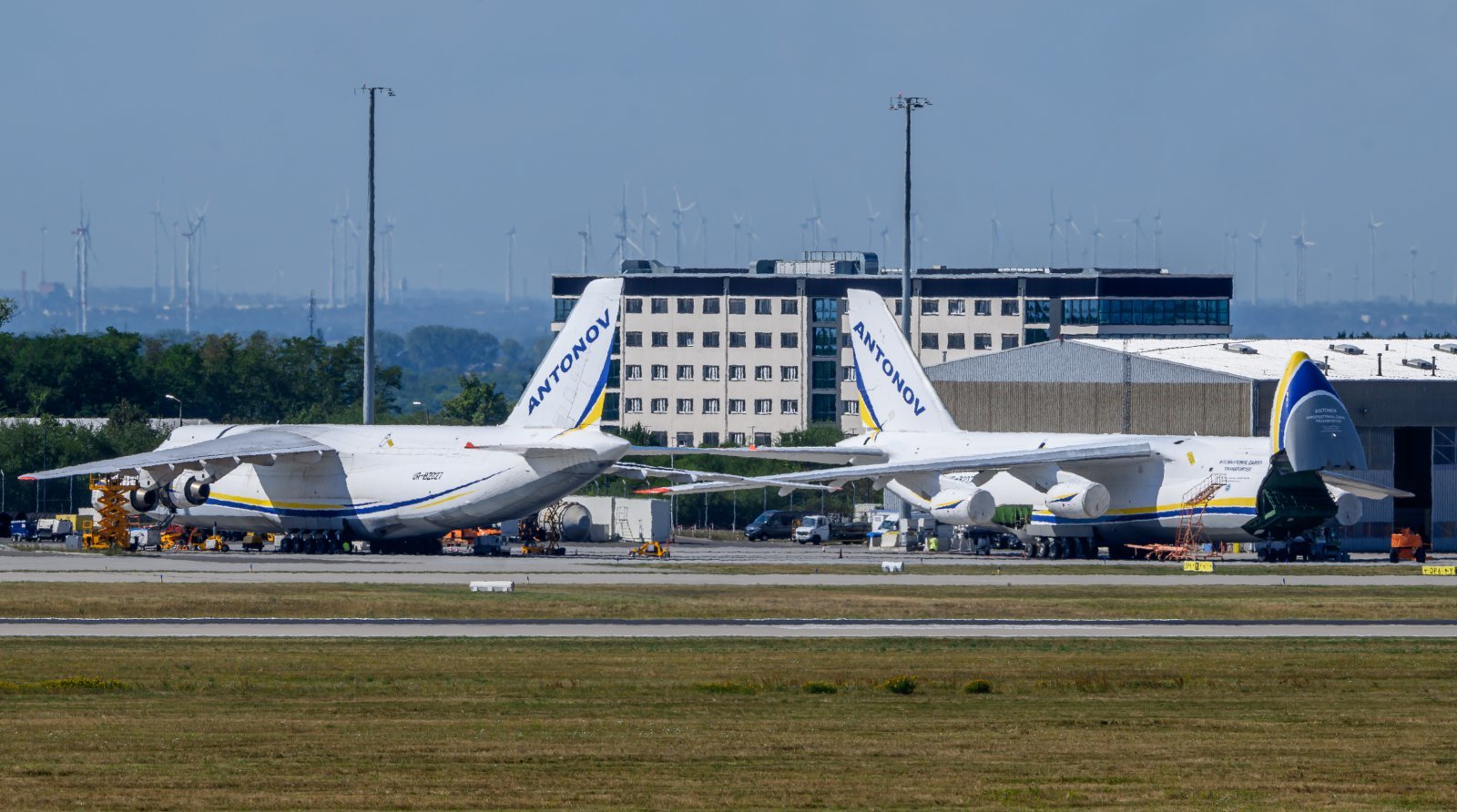
Interior Minister Alexander Dobrindt said police findings, the pattern of the operation and intelligence assessments led the government to conclude that Russia was responsible. On Aug. 4, a drone equipped with explosives and a detonator was found in a secure area of the airport in Saxony, near a Ukrainian cargo aircraft. The runway was temporarily closed. A DHL cargo plane also reportedly collided with another unidentified flying object and sustained damage.
Considering the police investigation, the pattern of the crime and the analysis by the intelligence services, we have reached the conclusion that Russia is responsible for the attempted attack at Leipzig Airport.
Dobrindt said preparing the operation and assembling the equipment would have required a high level of technical expertise and substantial organization. He said lower-level proxies apparently carried out the operation on Russia’s behalf. Germany’s federal prosecutors have been investigating whether Russia has repeatedly used proxies to prepare sabotage or attacks in Germany, with authorities viewing the efforts as aimed at weakening German support for Ukraine.
This is a serious mistake.
Foreign Minister Johann Wadephul said Germany would close Russia’s consulate general in Bonn on Sept. 18 and terminate the operating agreement for the Russian House cultural institution in central Berlin. Germany also summoned Russia’s ambassador and said it would seek expanded European Union sanctions, entry bans, tighter controls on Russian nationals entering the country and stronger pressure on the so-called shadow fleet that helps Russia evade sanctions.
Russian President Vladimir Putin called Germany’s measures a serious mistake and said the evidence had been fabricated for domestic political reasons. Foreign Ministry spokeswoman Maria Zakharova said Russia would respond on an equal basis. European Commission President Ursula von der Leyen expressed solidarity with Germany, saying Russia would fail in its effort to spread distrust and fear, while NATO Secretary General Mark Rutte welcomed Berlin’s actions.
Russia wants to sow distrust and fear in our societies, but it will fail.
About this summary
Originally published by Hankyoreh in Korean. Translated, summarized, and contextualized automatically by DistantNews, with a note on how the source frames the story. Not individually reviewed before publishing. How this works.
More Stories

From Our Blog

What Gets Lost (and Found) When News Is Translated

The Critical Role of Diaspora Media in Global News

What Travellers Should Know About Countries with Restricted Press

A Digital Nomad's Guide to Following Local News

How the Same Story Looks Different in Different Countries
