

Germany Blames Russia for Leipzig Airport Drone Plot as Putin Calls Response a ‘Serious Mistake’
Translated from Korean and summarized by DistantNews. Read the original for the full story.
At a glance
News
Named sources
Ongoing story
- Germany said Russian operatives were responsible for explosive-carrying drones found near Ukrainian cargo aircraft at Leipzig/Halle Airport on July 4.
- Berlin announced tighter entry controls for Russian nationals, the closure of a Russian consulate and the termination of the Russian House operating contract.
- Russia rejected the accusation, while NATO, the European Union and Ukraine backed Germany’s response.
Germany has formally pointed the finger at Russia over four drones carrying explosives that were found near Ukrainian Antonov An-124 cargo planes at Leipzig/Halle Airport. Moscow has rejected the accusation, setting the stage for another sharp deterioration in relations between the two countries.
The federal government has concluded that Russia is responsible for this hybrid attack.
Interior Minister Alexander Dobrindt said the federal government had concluded that Russia was responsible for what Germany described as a hybrid attack. He said police investigations, the pattern of the operation and intelligence assessments all supported that conclusion. Foreign Minister Johann Wadephul said the drones’ design, components, explosives and triggering systems resembled equipment previously identified in Russian hybrid operations and in the war in Ukraine.
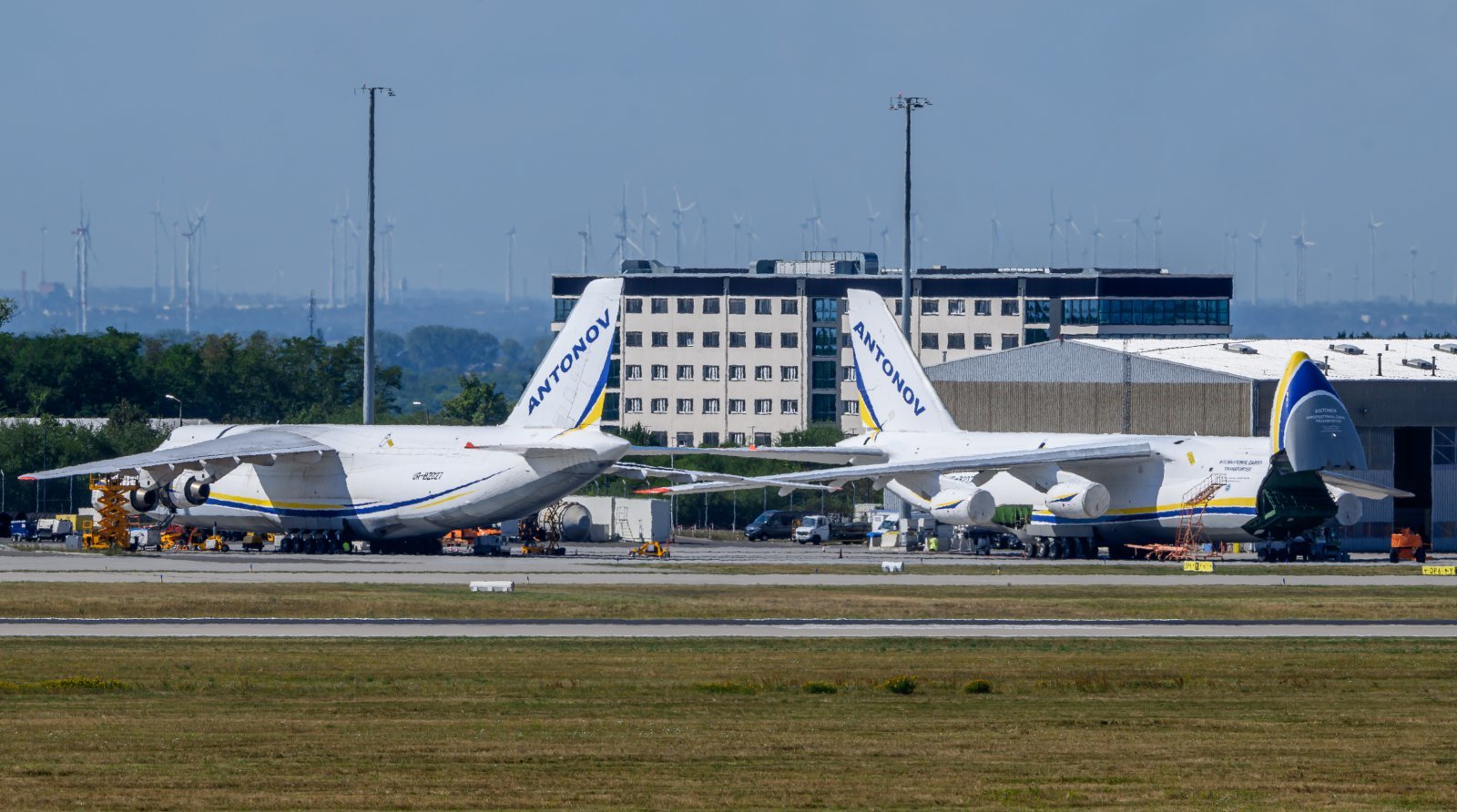
Authorities found the drones at about 11:40 p.m. on July 4 in a security area near four Ukrainian Antonov Airlines An-124 aircraft. The planes operated under NATO’s Strategic Airlift International Solution program. German media reported that French military ammunition had been loaded onto Ukrainian aircraft, but German authorities denied that report. Leipzig/Halle serves as a NATO logistics hub, including for military assistance bound for Ukraine, and has previously faced suspected sabotage attempts.
Germany is not at war, but every day it is a target of hybrid warfare.
Dobrindt said Germany did not view the incident as isolated. “Germany is not at war, but every day it is a target of hybrid warfare,” he said, promising a response that would be restrained and proportionate, but firm. Berlin summoned Russia’s ambassador, tightened entry controls for Russian citizens, announced the closure of the Russian consulate in Bonn from Sept. 18 and ended the operating contract for Russian House in Berlin. German officials have linked the cultural center to suspicions surrounding several previous hybrid attacks.
Where is the evidence? The evidence was fabricated and planted.
President Vladimir Putin called the German measures an attempt to conceal mistakes and win support from anti-Russian voters. “Where is the evidence? The evidence was fabricated and planted,” he said, describing Berlin’s decision as another serious mistake. Russia’s ambassador, Sergei Nechaev, warned that Moscow would not ignore what he called an unprecedented escalation. NATO Secretary General Mark Rutte, European Commission President Ursula von der Leyen and Ukraine’s ambassador to Germany, Oleksii Makeiev, expressed support for Berlin’s response.
Russia will not stand idly by, and the German government will bear responsibility for all the consequences.
About this summary
Originally published by Dong-A Ilbo in Korean. Translated, summarized, and contextualized automatically by DistantNews, with a note on how the source frames the story. Not individually reviewed before publishing. How this works.
More Stories


From Our Blog

What Gets Lost (and Found) When News Is Translated

The Critical Role of Diaspora Media in Global News

What Travellers Should Know About Countries with Restricted Press

A Digital Nomad's Guide to Following Local News

How the Same Story Looks Different in Different Countries
