


Germany Leads 'Frugal' Bloc to Slash EU Budget by Hundreds of Billions
Translated from Greek and summarized by DistantNews. Read the original for the full story.
At a glance
News
Sources not specified
Context piece
- Germany and five other net contributor countries are forming a bloc to significantly cut the EU's next long-term budget.
- The group seeks to reduce the European Commission's proposed budget of nearly 2 trillion euros by around 400 billion euros.
- This fiscal clash highlights differing visions for Europe's future, balancing increased spending needs with national deficit concerns.
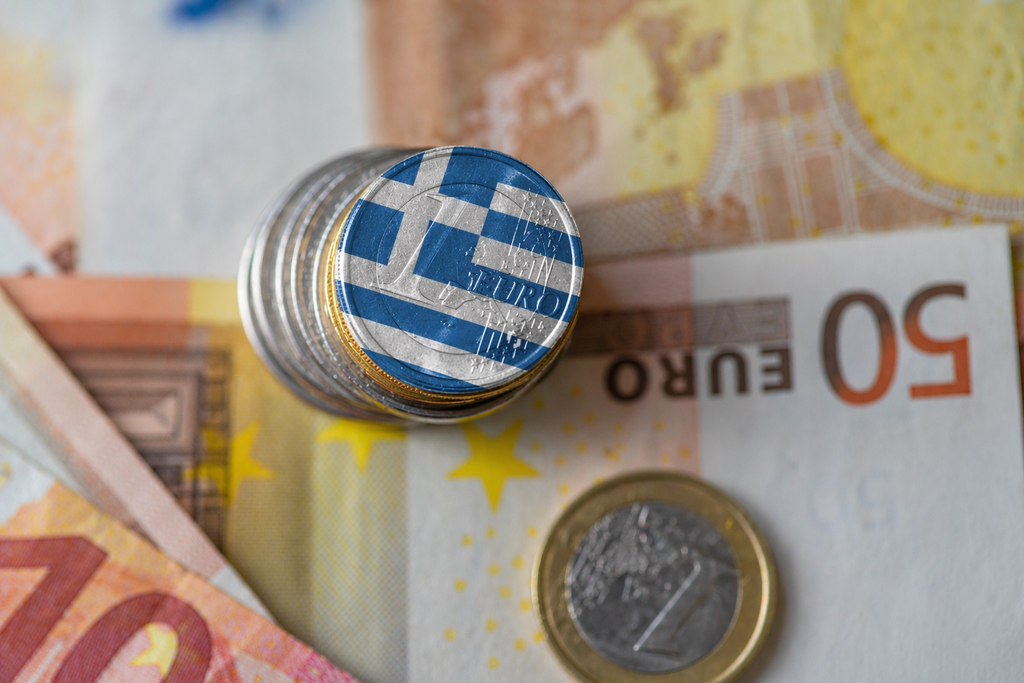
A major fiscal conflict is unfolding within the European Union as Germany spearheads a coalition of six net contributor countries aiming to slash the bloc's next long-term budget by hundreds of billions of euros. The dispute, centered on the 2028-2034 financial framework, pits two distinct visions for Europe's future against each other.
On one side are nations advocating for increased EU resources to bolster defense, competitiveness, technology, migration, and geopolitical influence. On the other are countries arguing that the EU cannot continuously raise common spending while national governments grapple with high deficits, mounting debt, and their own defense funding needs. The core of this new alliance is Germany, led by Chancellor Friedrich Merz, joined by the Netherlands, Denmark, Austria, Finland, and Sweden. These six nations have jointly called for a substantial reduction in the European Commission's proposal, which hovers around 2 trillion euros nominally, or approximately 1.76 trillion euros in real terms.
The German request specifically targets a cut of about 400 billion euros, roughly one-fifth of the Commission's proposal. While the six countries collectively speak of reducing the budget by "several hundred billion euros," the exact figure remains open for negotiation. The political significance of this alliance is immense, as these countries represent about 40% of the EU budget's funding base, giving their demands considerable weight.
Their message is clear: the largest net contributors should not be expected to pay more when national governments are simultaneously trying to curb public spending or fund new priorities, particularly in defense. This debate transcends mere accounting; it concerns the very model of the European Union for the next decade. The European Commission's larger budget proposal aims to finance strategic needs, including responses to the war in Ukraine, enhanced defense capabilities, economic and technological competition with the US and China, energy security, migration, and the green transition.
About this summary
Originally published by Ta Nea in Greek. Translated, summarized, and contextualized automatically by DistantNews, with a note on how the source frames the story. Not individually reviewed before publishing. How this works.
More Stories

From Our Blog

What Gets Lost (and Found) When News Is Translated

The Critical Role of Diaspora Media in Global News

What Travellers Should Know About Countries with Restricted Press

A Digital Nomad's Guide to Following Local News

How the Same Story Looks Different in Different Countries
