


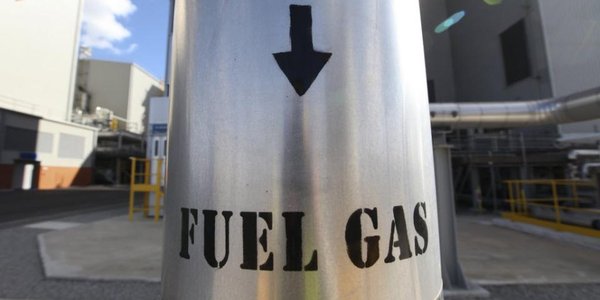
Germany leans on gas power to secure energy transition
Translated from Polish, summarized and contextualized by DistantNews.
At a glance
News
Sources not specified
New plan
- Germany is prioritizing gas power plants to ensure energy security as it phases out nuclear and coal power, despite its commitment to renewable energy.
- New legislation introduces subsidies for power plant operators, favoring new gas plants capable of long-term operation and potential conversion to hydrogen.
- The goal is to have 80% of energy from renewables by 2030, with gas serving as a transitional, stabilizing element.
Germany is strategically relying on gas-fired power plants to guarantee energy security during its ongoing energy transition, emphasizing that this move does not signify a retreat from renewable energy sources or a return to fossil fuels. Chancellor Friedrich Merz stated that, at present, ensuring stable electricity supply is not feasible without gas power plants.
Last year, renewables accounted for 58.6% of Germany's energy mix, with wind and solar power being the largest contributors. However, the system's increasing reliance on weather-dependent sources necessitates a stable backup. While nuclear power is being phased out, and coal-fired plants are gradually being decommissioned, gas is seen as the crucial element to ensure system stability.
This does not mean turning away from renewable energy or returning to fossil fuels.
New legislation adopted in July introduces a capacity mechanism, subsidizing power plant operators for their readiness to supply electricity, a departure from the previous model that only compensated for actual energy sales. The criteria for participation, such as the ability to supply power for at least 10 hours continuously, effectively favor new gas power plants, which are also designed for future conversion to hydrogen.
Germany aims to increase the share of renewables to 80% by 2030. To support this, two auctions for new generation capacity totaling 9 GW will be held this year, with another 2 GW auction planned for 2027. German authorities argue these new plants are essential for supply security, and all new facilities must be designed with hydrogen conversion in mind to meet climate neutrality goals by 2045.
For now, ensuring safe electricity supply would not be possible without gas power plants.
DistantNews Editorial
Originally published by Rzeczpospolita in Polish. Translated, summarized, and contextualized by our editorial team with added local perspective. Read our editorial standards.
More Stories


From Our Blog

What Gets Lost (and Found) When News Is Translated

The Critical Role of Diaspora Media in Global News

What Travellers Should Know About Countries with Restricted Press

A Digital Nomad's Guide to Following Local News

How the Same Story Looks Different in Different Countries
