

Germany: Majority Backs Data Centers, Demands Green Solutions
Translated from German, summarized and contextualized by DistantNews.
At a glance
News
Named sources
Context piece
- A majority of Germans favor the construction of data centers.
- However, they also demand that these facilities use green energy solutions.
- This reflects a growing concern for environmental sustainability alongside technological advancement.
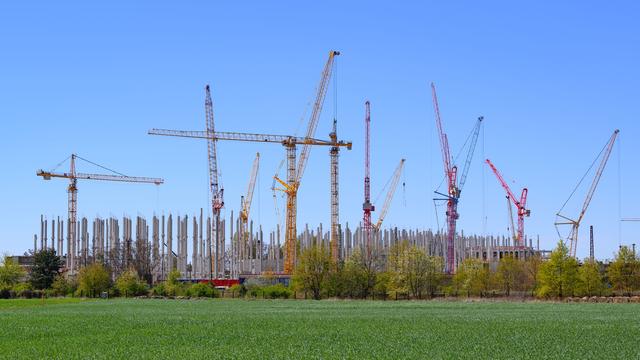
Germans largely support the expansion of data centers, crucial hubs for the digital economy, but with a strong caveat: they must be powered by renewable energy. This dual demand highlights a national consensus on embracing digital progress while prioritizing environmental responsibility.
The desire for more data centers is driven by the increasing need for digital infrastructure to support everything from cloud computing to artificial intelligence. The industry's growth is seen as vital for economic competitiveness and innovation.
However, the public's insistence on green solutions underscores a deep-seated environmental consciousness. Concerns about the significant energy consumption of data centers and their carbon footprint are paramount. This public pressure is likely to influence policy and industry practices, pushing for greater investment in sustainable energy sources and energy-efficient technologies.
The push for green data centers is not just an environmental plea but also an economic one. Companies that can demonstrate a commitment to sustainability may gain a competitive advantage and appeal to a growing segment of environmentally aware consumers and investors. This trend suggests a future where digital infrastructure development and ecological preservation go hand in hand.
DistantNews Editorial
Originally published by Die Zeit in German. Translated, summarized, and contextualized by our editorial team with added local perspective. Read our editorial standards.
More Stories

From Our Blog

What Gets Lost (and Found) When News Is Translated

How the Same Story Looks Different in Different Countries

The Critical Role of Diaspora Media in Global News

What Travellers Should Know About Countries with Restricted Press

A Digital Nomad's Guide to Following Local News
