

Germany Softens Plans for Renewable Energy Subsidy Cuts
Translated from German, summarized and contextualized by DistantNews.
At a glance
News
Sources not specified
New plan
- Germany's Economy Minister Katherina Reiche has softened plans to cut subsidies for renewable energy.
- The new draft proposes a gradual reduction of feed-in tariffs for small solar installations instead of an abrupt halt.
- The reform aims to better manage the expansion of wind and solar power to avoid grid overload while maintaining the goal of 80% renewable energy by 2030.
Germany's Federal Minister for Economic Affairs, Katherina Reiche, has revised her initial plans to significantly cut subsidies for renewable energy, opting for a more gradual approach.
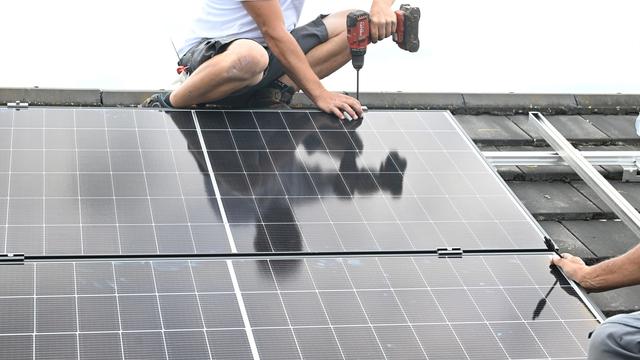
The latest draft of the Renewable Energy Sources Act (EEG) proposes a phased reduction of feed-in tariffs for newly installed small solar systems, extending the support until 2030 instead of an abrupt termination. After the tariffs expire, system operators will need to sell their electricity directly on the market. Revisions also include less drastic cuts to compensation payments for renewable energy plant operators in areas where grids are frequently overloaded and require temporary shutdowns of facilities.
Under the revised proposal, compensation payments will only be suspended if electricity production in a region must be curtailed by more than five percent due to grid overload, a less stringent threshold than the previously planned three percent. The reform aims to better regulate the expansion of wind and large-scale photovoltaic installations to prevent grid congestion, particularly in areas with high energy production. It also seeks to incentivize the development of wind energy more evenly across Germany, especially in the southern regions.
Overall, the plan targets an additional twelve gigawatts of wind energy capacity by 2029. Expansion targets for biomass energy generation are also set to increase, aiming for at least 9.5 gigawatts of installed capacity by 2035, up from the previous 8.4 gigawatts. These adjustments come as Germany strives to meet its goal of sourcing 80 percent of its electricity from renewables by 2030, a target Reiche remains committed to.
DistantNews Editorial
Originally published by Die Zeit in German. Translated, summarized, and contextualized by our editorial team with added local perspective. Read our editorial standards.
More Stories

From Our Blog

What Gets Lost (and Found) When News Is Translated

How the Same Story Looks Different in Different Countries

The Critical Role of Diaspora Media in Global News

What Travellers Should Know About Countries with Restricted Press

A Digital Nomad's Guide to Following Local News
