

Gia Lai moves residents from disaster zones to safe havens
Translated from Vietnamese, summarized and contextualized by DistantNews.
At a glance
News
Named sources
New plan
- Gia Lai province is establishing 16 resettlement areas for disaster-prone regions, costing over 2.1 trillion dong.
- The project aims to relocate nearly 2,000 households from flood and landslide-risk zones.
- This initiative prioritizes safety and provides 'turnkey' housing and infrastructure.
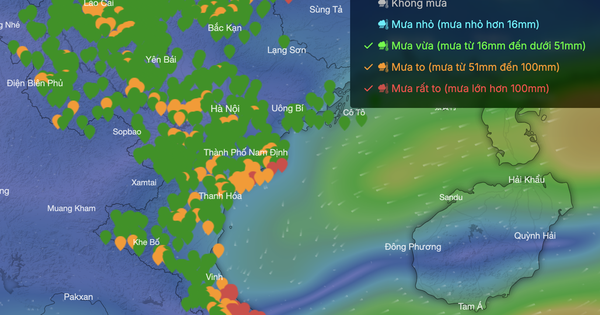
Gia Lai province is undertaking a significant resettlement project, establishing 16 new areas for residents in disaster-prone zones. The initiative, with an estimated cost exceeding 2.1 trillion dong (approximately $82 million USD), aims to provide safe housing for 1,858 households. This comes in response to severe impacts from prolonged heavy rains and typhoons, which have caused flooding and landslides, threatening lives and property.
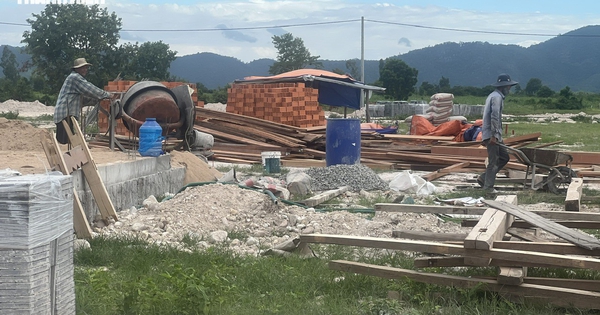
The provincial People's Committee has approved a plan for emergency relocation and stabilization of residents in high-risk areas. The principle guiding the project is to ensure the safety of residents' lives. The plan identifies 16 areas requiring urgent relocation, involving 1,858 households. A notable aspect of the project is its focus on providing "turnkey" housing and essential infrastructure, rather than just financial assistance for self-relocation.
Residents in areas with the highest risk will be prioritized for relocation, followed by those in high-risk but less immediate danger zones. The province aims to complete the resettlement for high-risk groups by the end of 2026. One prominent project in the western part of the province involves resettling residents from several villages in Ia Dreh commune, with an investment of over 102.6 billion dong, scheduled for completion between 2025 and 2026.
Local leaders express optimism about the project. Ms. Vo Thuy Van, Chairwoman of Ia Dreh Commune, reported that land acquisition and compensation are underway. In the first phase, 20 households in Blak village received compensation and resettlement plans. Mr. Nay Kang, a village elder, shared his community's joy, noting that the new, elevated location will protect them from floods and landslides, allowing for safer production and schooling for children. Mr. Kpa Dhua also recounted difficulties with flooding impacting his family's crops and daily commute, expressing relief at the prospect of a secure new home.
The villagers are all happy to be cared for and given the opportunity to move to a new, high-ground residence, avoiding floods and landslides. From here, the villagers can rest assured in their production, and their children can go to school more safely.
DistantNews Editorial
Originally published by Thanh Niên in Vietnamese. Translated, summarized, and contextualized by our editorial team with added local perspective. Read our editorial standards.
More Stories
From Our Blog

What Gets Lost (and Found) When News Is Translated

The Critical Role of Diaspora Media in Global News

What Travellers Should Know About Countries with Restricted Press

A Digital Nomad's Guide to Following Local News

How the Same Story Looks Different in Different Countries
