

Giant iceberg cuts off Antarctic penguins' food supply, leading to 69% drop in chicks
Translated from English, summarized and contextualized by DistantNews.
At a glance
News
Documents & data
Context piece
- A nearly 14-kilometer-long iceberg grounded near an emperor penguin colony in Antarctica drastically altered their access to feeding grounds.
- This disruption caused a nearly 69% drop in emperor penguin chicks on Coulman Island during the 2025 breeding season compared to previous years.
- The event highlights how physical barriers, not just temperature changes, can impact wildlife populations by disrupting access to essential resources.
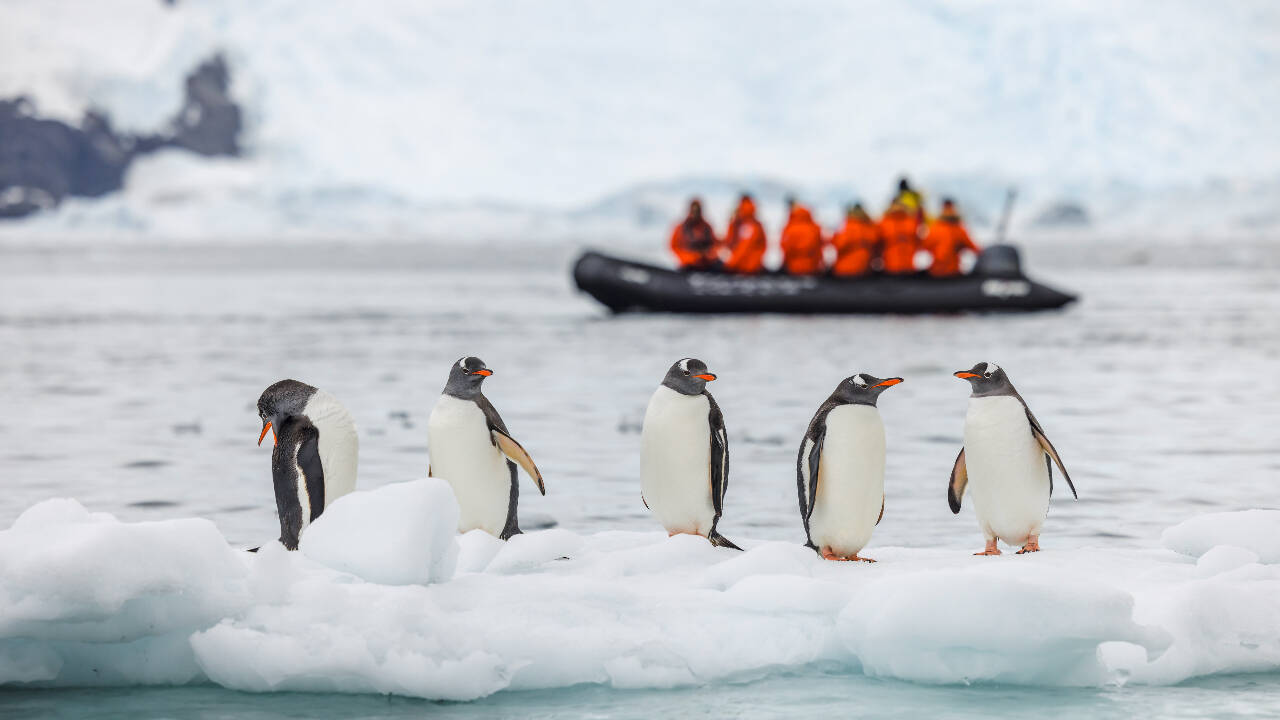
A colossal iceberg, nearly 14 kilometers long, has profoundly impacted an emperor penguin colony on Antarctica's Coulman Island, leading to a staggering 69% decline in chicks during the 2025 breeding season. The massive ice block, which calved in March 2025, drifted towards the island and grounded itself just kilometers north of the colony by July 2025, critically blocking the penguins' usual route to vital feeding areas.
Researchers observed that the iceberg's sheer southern face forced adult penguins to undertake significantly longer journeys to find food. For emperor penguin chicks, which are entirely dependent on their parents for sustenance, these extended foraging trips meant less frequent feeding. This reduced food supply weakened the chicks, diminishing their chances of surviving the harsh Antarctic environment, according to a report published in Communications Earth & Environment.
While the study did not record direct starvation or mortality, scientists believe the increased travel distance was a key factor behind the reduced breeding success. The findings underscore the delicate balance required for successful penguin breeding, where stable sea ice for nesting and reliable access to open water feeding grounds are essential. The iceberg's presence served as a stark reminder that physical obstacles can reshape wildlife populations just as effectively as changing temperatures or melting ice.
Satellite observations confirmed the iceberg's calving and subsequent grounding during the critical hatching period. This event serves as a potent example of how even a single, large-scale environmental change can have cascading effects throughout an ecosystem, demonstrating the fragility of Antarctic wildlife in the face of altered conditions.
DistantNews Editorial
Originally published by Times of India in English. Translated, summarized, and contextualized by our editorial team with added local perspective. Read our editorial standards.
More Stories



From Our Blog

What Press Freedom Means for the News You Read

What Gets Lost (and Found) When News Is Translated

The Critical Role of Diaspora Media in Global News

What Travellers Should Know About Countries with Restricted Press

A Digital Nomad's Guide to Following Local News
