

Over 120 Fish Species Have Migrated Via Suez Canal; 3 More May Follow
Translated from English, summarized and contextualized by DistantNews.
At a glance
News
Named sources
Context piece
- Over 120 fish species have migrated from the Red Sea to the Mediterranean via the Suez Canal since 1869.
- Researchers developed a model to predict which species are most likely to invade the Mediterranean next.
- Rising sea temperatures are making the Mediterranean more hospitable to tropical species, increasing the need for monitoring.
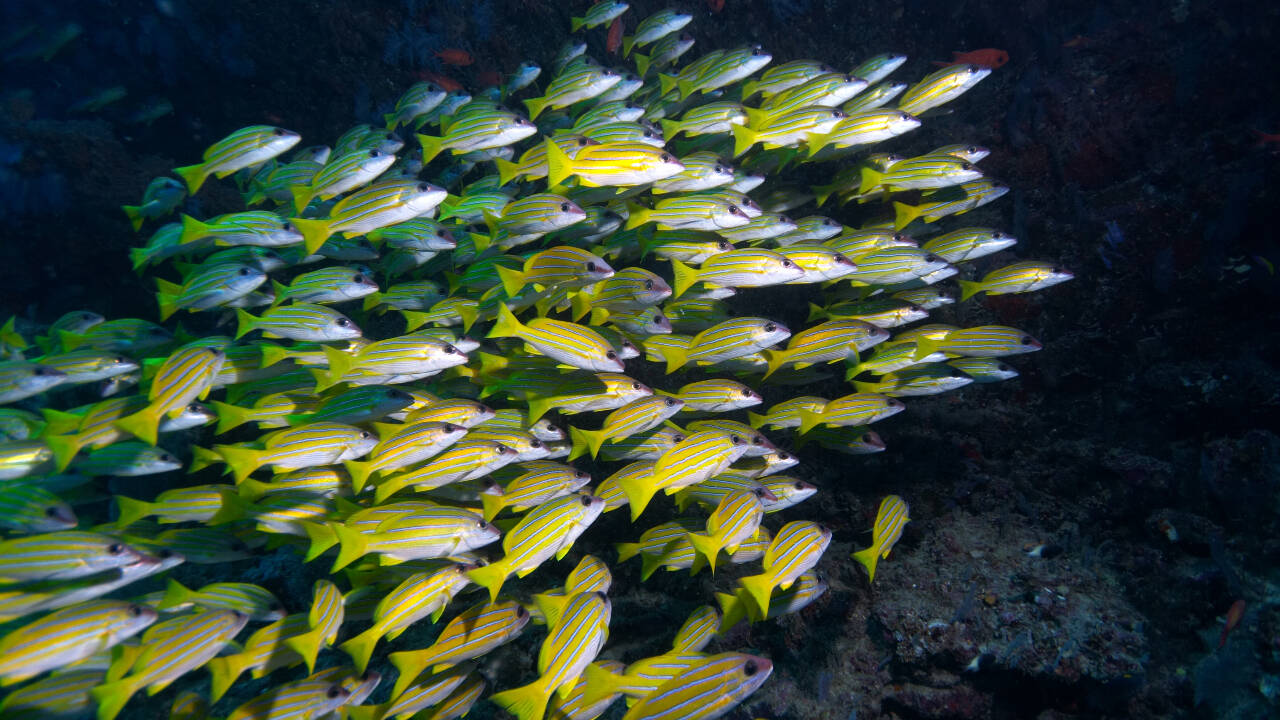
Since the Suez Canal opened over 150 years ago, more than 120 fish species have journeyed from the Red Sea into the Mediterranean. Researchers at Tel Aviv University have now developed a statistical model to predict which species are most likely to follow, according to Phys Org.
The model identifies candidate species, including the stellate pufferfish, cinnabar goatfish, and yellowspotted trevally, as potential future invaders. This research, conducted by Dr. Shahar Chaikin under Prof. Jonathan Belmaker, aims to help scientists and environmental authorities anticipate new invasions.
As rising sea temperatures make the Mediterranean more welcoming to tropical species, this predictive tool becomes crucial for environmental monitoring and conservation planning. The study analyzed fish populations using underwater video systems in the Gulf of Eilat and along Israel's Mediterranean coast.
Researchers found that successful invaders are often less dependent on coral reefs and adapt quickly to new environments. Unlike previous assumptions, these invasive fish often share habitats with native Mediterranean species, indicating potentially intense competition for resources.
DistantNews Editorial
Originally published by Times of India in English. Translated, summarized, and contextualized by our editorial team with added local perspective. Read our editorial standards.
More Stories



From Our Blog

What Press Freedom Means for the News You Read

What Gets Lost (and Found) When News Is Translated

The Critical Role of Diaspora Media in Global News

What Travellers Should Know About Countries with Restricted Press

A Digital Nomad's Guide to Following Local News
