


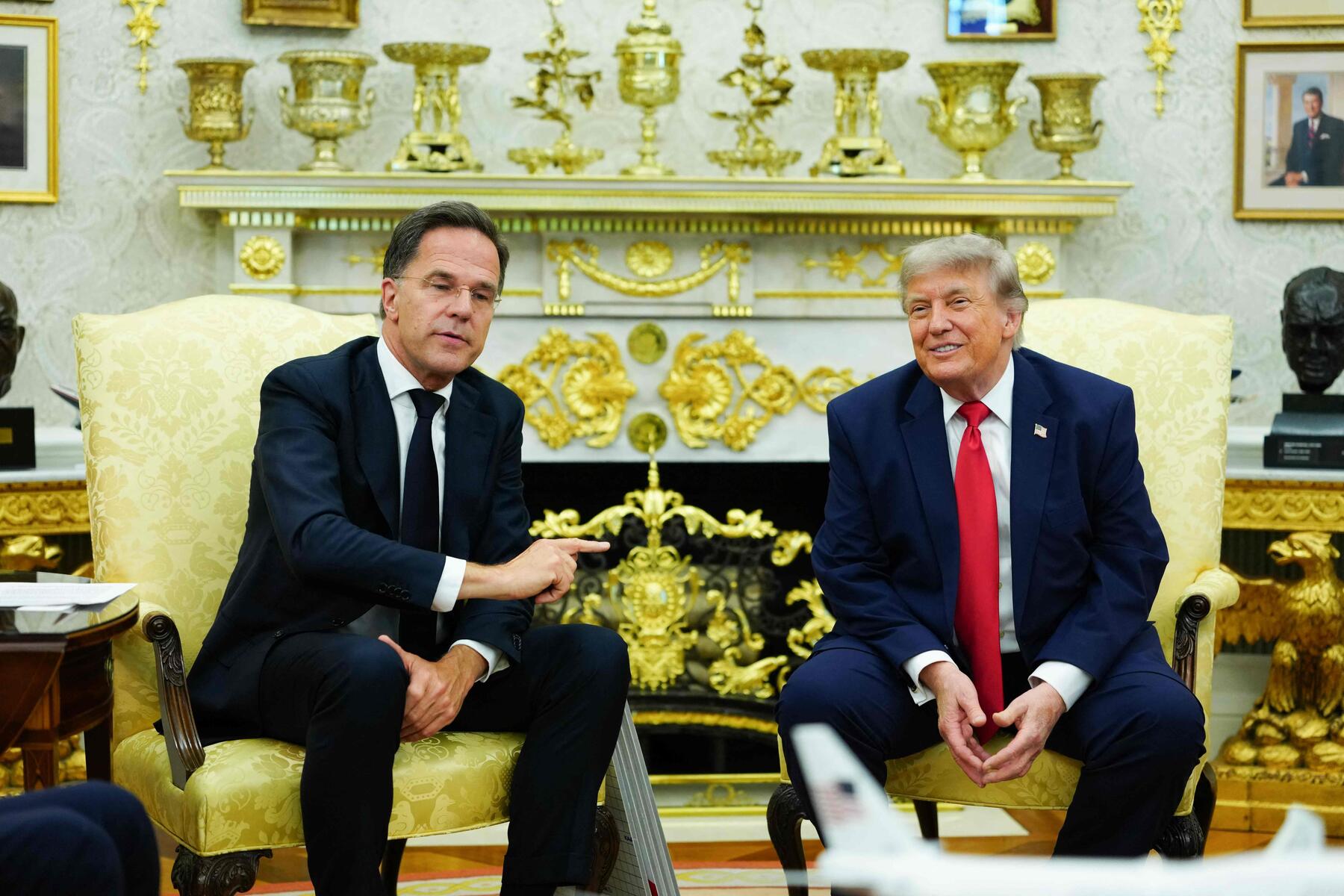
'Gift to Russia': US questionnaire deepens NATO crisis
Translated from German, summarized and contextualized by DistantNews.
At a glance
News
Sources not specified
Context piece
- The US has sent a questionnaire to its 31 NATO partners, which experts consider a dangerous "loyalty test" that could deepen the alliance's crisis.
- The questionnaire reportedly asks about public support for US foreign policy, arms purchases from American manufacturers, and opposition to European regulations that might disadvantage US defense firms.
- Estonian politician Marko Mihkelson described the questionnaire as one of the "toughest internal stress tests" for NATO, warning that any internal division benefits Russia and China.
The United States has distributed a questionnaire to its 31 NATO allies, a move described by experts as a potentially dangerous "loyalty test" that could exacerbate existing tensions within the alliance. The document, reportedly obtained by Bloomberg, seeks to gauge the partners' alignment with current US foreign policy and defense interests.
According to reports, the questionnaire probes whether NATO members have publicly supported US foreign policy, prioritize purchasing arms from American manufacturers, and have opposed European regulations that could disadvantage US defense companies. It also inquires about their commitment to the Pentagon's approach of being "strong, clear, and quiet." The survey is being conducted as part of a broader review of US troop presence, which is expected to conclude by year-end and may involve troop reductions, including a planned withdrawal of 5,000 soldiers from Germany.
Marko Mihkelson, chairman of the Estonian parliament's foreign affairs committee, characterized the questionnaire as one of the "toughest internal stress tests" for the alliance. He warned on social media that any unnecessary disruption that pushes NATO toward fragmentation or division would be a "gift to China and Russia."
Security expert Ivo Daalder, a former US ambassador to NATO, echoed these concerns, stating that the Pentagon's questionnaire prioritizes "allegiance over common interests." He argued that it divides allies, weakens collective defense, and could ultimately destroy NATO, a sentiment reflected in his analysis titled "This is How NATO Dies."
Observers caution that the 31 NATO states might respond individually to the questionnaire, potentially leading to a competitive bidding process for US favor. Allies are reportedly reluctant to comply with the request, especially as US intelligence agencies assess the possibility of Russian President Putin exploiting any perceived NATO disunity.
DistantNews Editorial
Originally published by Die Presse in German. Translated, summarized, and contextualized by our editorial team with added local perspective. Read our editorial standards.
More Stories

From Our Blog

What Gets Lost (and Found) When News Is Translated

The Critical Role of Diaspora Media in Global News

What Travellers Should Know About Countries with Restricted Press

A Digital Nomad's Guide to Following Local News

How the Same Story Looks Different in Different Countries
