

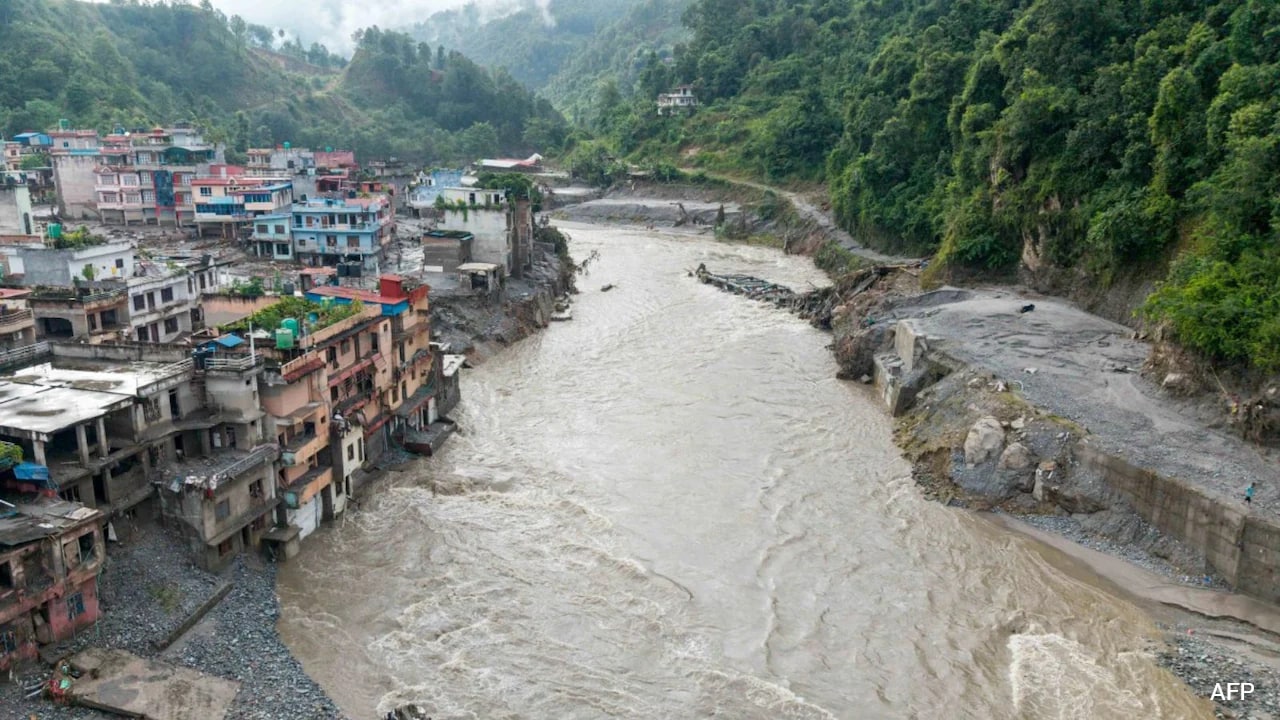
Glacier Melt and Warming Climate Fuel Nepal's Disasters
Translated from English and summarized by DistantNews. Read the original for the full story.
At a glance
News
Sources not specified
Context piece
- Nepal's location at the convergence of the Indian and Eurasian tectonic plates makes it geologically active.
- Accelerating atmospheric warming above its high peaks is causing glaciers to melt.
- These factors combine to shape the environment in which disasters occur in Nepal.
Nepal's vulnerability to natural disasters is significantly shaped by its unique environmental conditions, stemming from its position at the crossroads of major geological and climatic forces. The country sits atop the collision zone where the Indian tectonic plate is subducting beneath the Eurasian plate at a rate of approximately 20 millimeters per year, a process that fuels seismic activity.
Compounding this geological instability is the rapid atmospheric warming occurring above Nepal's towering peaks. This accelerated warming is directly contributing to the melting of glaciers, a phenomenon that can lead to glacial lake outburst floods (GLOFs) and alter water systems in the region.
The interplay between tectonic movement and climate change creates a complex and volatile environment. The ongoing subduction generates stress within the Earth's crust, while the warming climate influences the cryosphere, impacting landscapes and water resources. Together, these forces are instrumental in shaping the frequency and intensity of disasters experienced in Nepal.
About this summary
Originally published by NDTV in English. Translated, summarized, and contextualized automatically by DistantNews, with a note on how the source frames the story. Not individually reviewed before publishing. How this works.
More Stories

From Our Blog

What Press Freedom Means for the News You Read

What Gets Lost (and Found) When News Is Translated

The Critical Role of Diaspora Media in Global News

What Travellers Should Know About Countries with Restricted Press

A Digital Nomad's Guide to Following Local News
