

Whales in Hawaii swallow thousands of plastic pieces, study finds
Translated from English and summarized by DistantNews. Read the original for the full story.
At a glance
News
Documents & data
Outcome reported
- A 13-year study found that nearly 23% of stranded pilot whales examined in Hawaii had ingested marine debris.
- Three adult male whales had swallowed between 6,283 and 35,543 pieces of plastic, weighing up to 12 pounds each.
- Discarded fishing gear was the primary source of the plastic, posing a significant threat to deep-sea predators.
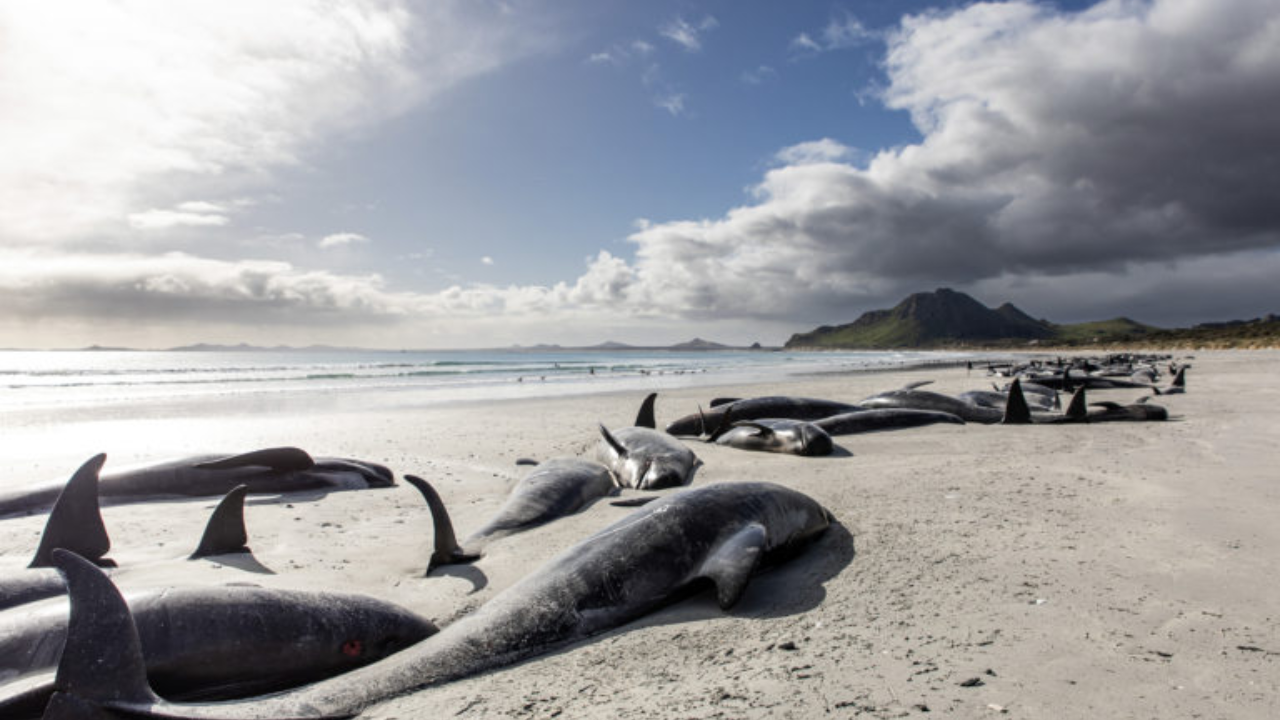
A comprehensive 13-year study of stranded short-finned pilot whales around Hawaii has revealed a disturbing reality: marine life is ingesting vast quantities of plastic waste. Researchers at the University of Hawaiʻi at Mānoa found that nearly a quarter of the examined whales had swallowed synthetic debris, with some individuals consuming alarming amounts.
The study, published in the Marine Pollution Bulletin, detailed necropsies of three adult male pilot whales. Their stomachs were packed with an average of 6,283 to 35,543 separate pieces of plastic, totaling up to 12 pounds (5.4 kilograms) per animal. This plastic ingestion poses a grave threat to these deep-sea predators, impacting their health and survival.
Kristi West, director of the UH Health and Stranding Lab and lead author of the study, emphasized the severity of the findings. "The presence of human-made materials in the stomachs of these ocean sentinels serves as a stark reminder of the impact of global plastic pollution," she stated. "It is a clear message of the importance of keeping these materials out of our ocean."
The research identified discarded fishing gear, often referred to as "ghost gear," as the main culprit. Strong monofilament lines, synthetic ropes, and pieces of fishing nets constituted the majority of the recovered material. Flexible plastic sheets, such as carrier bags and rubbish sacks, were also found in significant amounts. While smaller pieces were more numerous, larger items accounted for the bulk of the plastic's weight, with pieces over 8 inches long making up more than 70% of the total recovered weight from the three whales.
Researchers suggest that the pilot whales' deep-diving hunting behavior and diet may make them particularly vulnerable. Their prey, squid, can be mistaken for floating plastic debris. Furthermore, the Hawaiian Islands' location, downwind and downstream from the Great Pacific Garbage Patch, increases the likelihood of plastic waste drifting into their feeding grounds. The study underscores the urgent need for global action to combat plastic pollution in our oceans.
The presence of human-made materials in the stomachs of these ocean sentinels serves as a stark reminder of the impact of global plastic pollution. It is a clear message of the importance of keeping these materials out of our ocean.
About this summary
Originally published by Times of India in English. Translated, summarized, and contextualized automatically by DistantNews, with a note on how the source frames the story. Not individually reviewed before publishing. How this works.
More Stories


From Our Blog

What Press Freedom Means for the News You Read

What Gets Lost (and Found) When News Is Translated

The Critical Role of Diaspora Media in Global News

What Travellers Should Know About Countries with Restricted Press

A Digital Nomad's Guide to Following Local News
