

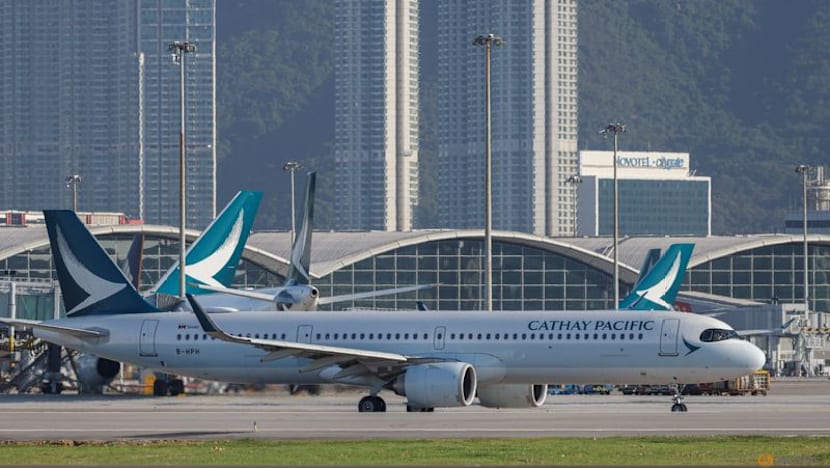
Global airlines slash 2026 profit forecast on fuel shock from Iran war
Summarized and contextualized by DistantNews.
At a glance
News
Named sources
New plan
- Global airlines have drastically cut their 2026 profit forecast, halving it to $23 billion due to the Middle East conflict.
- Increased jet fuel costs and disrupted air corridors stemming from the conflict are cited as primary reasons for the downgrade.
- Airlines are expected to reduce unprofitable routes, and fares are unlikely to decrease soon, potentially leading to bankruptcies.
The global airline industry has significantly reduced its 2026 profit forecast, nearly halving it to $23 billion, citing the conflict in the Middle East as a major destabilizing factor. This downgrade reflects the sector's vulnerability to geopolitical shocks and volatile fuel prices, despite resilient passenger demand and rising revenues.
The International Air Transport Association (IATA), representing over 370 airlines, stated that the conflict has driven up jet fuel costs far beyond expectations and disrupted crucial air corridors in the Gulf region. "That combination has led us to reduce the forecast," said IATA Director General Willie Walsh.
There are two major factors: one is the significant increase in jet fuel prices, which has gone way higher than I think anybody would have expected, and then the disruption to the airlines in the Gulf region, so that combination has led us to reduce the forecast.
As a consequence, airlines are anticipated to cut unprofitable routes to protect their profit margins. Fares, which have already surged since the conflict began, are unlikely to fall in the near future. Walsh warned that some smaller airlines might face bankruptcy or be acquired by larger carriers due to the escalating fuel costs.
The Middle East conflict has forced airlines to reroute flights, adding hours to journeys and increasing fuel consumption. Simultaneously, fears of supply disruptions have pushed oil prices higher, significantly impacting airlines' largest expense. While most regions are expected to remain profitable, airlines in the Middle East face potential losses due to the conflict and weakened demand.
In an environment where demand remains pretty robust, but capacity comes down, that will likely lead to a situation where fares will remain elevated.
DistantNews Editorial
Originally published by CNA. Summarized and contextualized by our editorial team with added local perspective. Read our editorial standards.
More Stories



From Our Blog

What Gets Lost (and Found) When News Is Translated

The Critical Role of Diaspora Media in Global News

What Travellers Should Know About Countries with Restricted Press

A Digital Nomad's Guide to Following Local News

How the Same Story Looks Different in Different Countries
