


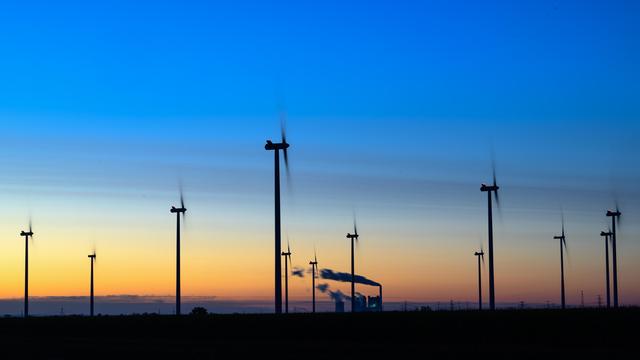
Global Economy Withstands Energy Shock Better Than Feared, IMF Reports
Translated from German, summarized and contextualized by DistantNews.
At a glance
News
From a news agency
Context piece
- The global economy has weathered the energy shock from the Iran war better than anticipated, according to the International Monetary Fund (IMF).
- Factors like drawing on oil reserves, increased production outside the Gulf, reduced energy demand, and advancements in renewables have mitigated the impact.
- However, the IMF warns that the outlook remains precarious due to rising government debt, persistent inflation, and tight monetary policies, with a tug-of-war between negative energy shocks and positive AI booms.
The global economy has demonstrated resilience, enduring the energy shock stemming from the Iran war with less severe consequences than initially feared, according to a new assessment by the International Monetary Fund (IMF).
The world economy has weathered the energy shock following the Iran war better than feared.
Kristalina Georgieva, the IMF's Managing Director, stated that global growth is defying significant headwinds from high government debt, stubborn inflation, and trade tensions. While the situation is more balanced than in April, when the IMF warned the conflict could derail the world economy, Georgieva cautioned that the outlook remains tilted to the downside. This precariousness is attributed to increasing fiscal constraints in many nations and the potential need for central banks to maintain tight monetary policies to combat inflation.
Global growth is defying the 'strong headwinds' of high government debt, persistent inflation, and trade tensions.
The impact of the closure of the Strait of Hormuz, a critical chokepoint for global oil trade, was lessened by several factors. Many countries utilized oil and gas reserves, nations outside the Gulf region boosted their energy production, overall energy demand decreased, and the expansion of renewable energy sources progressed. Some countries also reverted to coal power generation.
The closure of the Strait of Hormuz, the sea lane important for global oil trade, has had less severe consequences than expected thanks to several factors.
Georgieva described the current economic landscape as a "tug-of-war" between the negative impact of the Gulf's supply shock and the growth-stimulating boom in artificial intelligence (AI). AI investments, particularly in the U.S., are bolstering corporate profits and consumer spending, with other countries also expanding data centers and AI hardware production. Despite these positive developments, the IMF chief expressed concern over the deteriorating fiscal situation in some countries, evidenced by rising bond yields and a stalled decline in inflation.
There is currently a 'tug-of-war' between the supply shock in the Gulf, which negatively affects the world economy, and the boom in artificial intelligence (AI), which stimulates growth.
DistantNews Editorial
Originally published by Die Zeit in German. Translated, summarized, and contextualized by our editorial team with added local perspective. Read our editorial standards.
More Stories

From Our Blog

What Gets Lost (and Found) When News Is Translated

How the Same Story Looks Different in Different Countries

The Critical Role of Diaspora Media in Global News

What Travellers Should Know About Countries with Restricted Press

A Digital Nomad's Guide to Following Local News
