


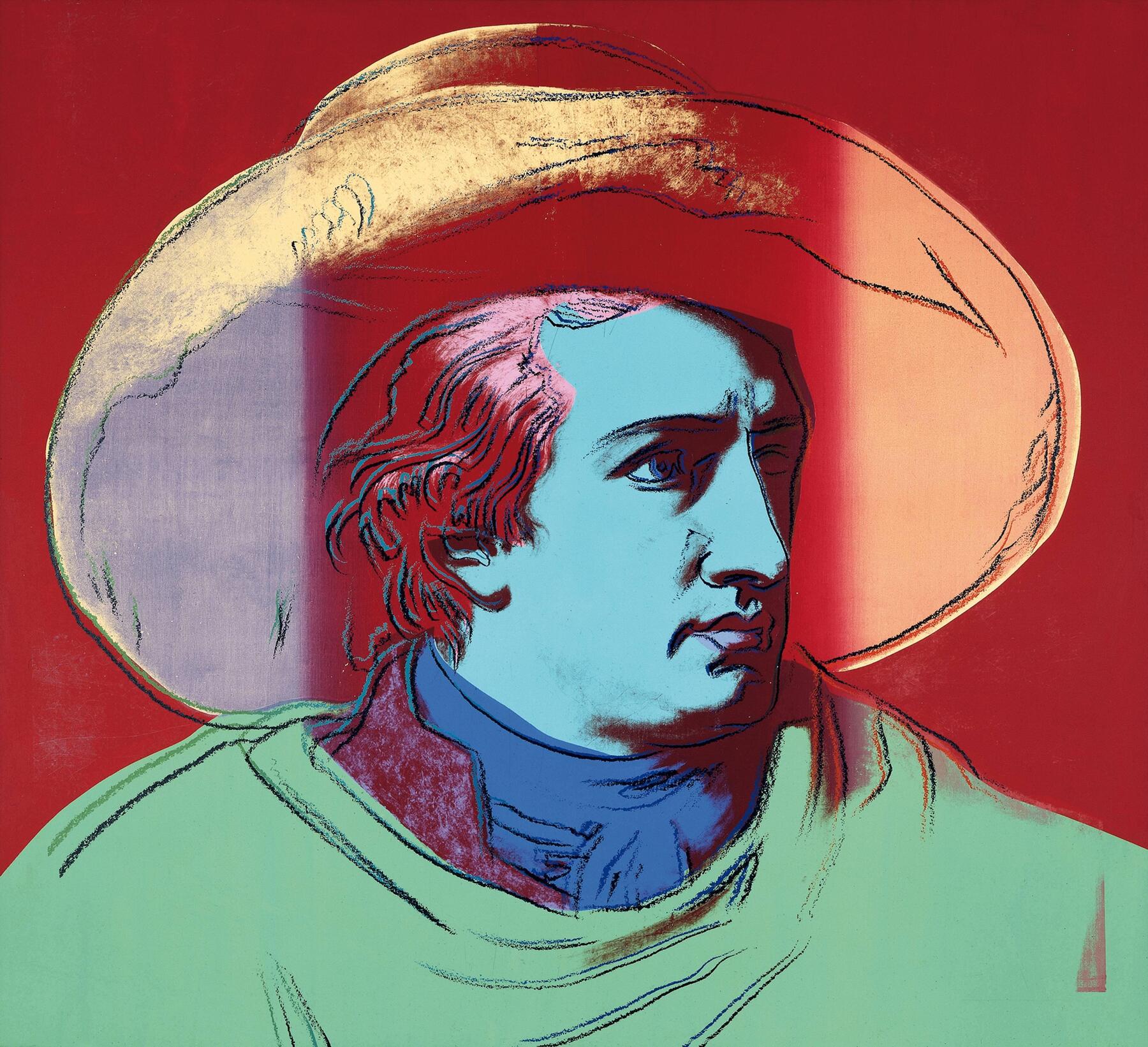
Goethe's Sympathy for Islam: A Look at Germany's Greatest Poet's Religious Views
Translated from German, summarized and contextualized by DistantNews.
At a glance
In-depth
Named sources
Context piece
- A German article explores Johann Wolfgang von Goethe's sympathy for Islam, suggesting his views align more with the impersonal Allah than the Christian God.
- The piece references Goethe's reading of the Quran, his planned drama about Mohammed, and his
Johann Wolfgang von Goethe, Germany's most celebrated poet, harbored a notable sympathy for Islam, according to a German article exploring his religious views. The author suggests that Goethe's concept of the divine leaned towards the impersonal Allah of Islam rather than the Christian God.
The Islamic is part of Germany.
While it's known that Goethe read the Quran and even planned a drama about Mohammed, and his "West-Eastern Divan" reflects this affinity, a new book by Gustav Seibt, "Ein Sommer mit Goethe," offers a "soulful insight" into the poet's perspective on religion. Seibt argues that Goethe, influenced by figures like Herder and Orientalist Joseph von Hammer-Purgstall, found the Islamic concept of God more resonant.
Goethe, who highly valued the Holy Family as a subject for art, was closer to the more impersonal Allah of Islam as a religious thinker.
Goethe's relationship with Christianity was complex. He famously responded to Gretchen's question about religion in "Faust" with a pantheistic "Call it luck! Heart! Love! God!" – a response that did not satisfy the devout girl. In a letter to a pastor, Goethe clarified his position, stating he was "no anti-Christian, no un-Christian, but a decided non-Christian."
Call it luck! Heart! Love! God!
Seibt highlights Goethe's aversion to certain Christian symbols, even describing his dislike for the cross as bordering on blasphemy. In his poem "An Suleika," inspired by Hafis, Goethe uses the imagery of a cross as a "wretched image on wood," criticizing its association with suffering. This critical stance towards Christian iconography underscores his distinct religious leanings.
For you have no Christianity.
DistantNews Editorial
Originally published by Die Presse in German. Translated, summarized, and contextualized by our editorial team with added local perspective. Read our editorial standards.
More Stories



From Our Blog

What Gets Lost (and Found) When News Is Translated

The Critical Role of Diaspora Media in Global News

What Travellers Should Know About Countries with Restricted Press

A Digital Nomad's Guide to Following Local News

How the Same Story Looks Different in Different Countries
