

Google Adds 'Video-Selfie' as New Login Method
Translated from Spanish, summarized and contextualized by DistantNews.
At a glance
News
Named sources
New plan
- Google is introducing "video-selfie" as a new login method across its digital services to provide additional access options.
- The feature uses AI and security measures to prevent identity theft from fake photos or deepfakes, comparing live video to a stored selfie and requiring simple movements.
- Initially available in several Latin American countries, the "video-selfie" aims to enhance security and user control over their accounts.
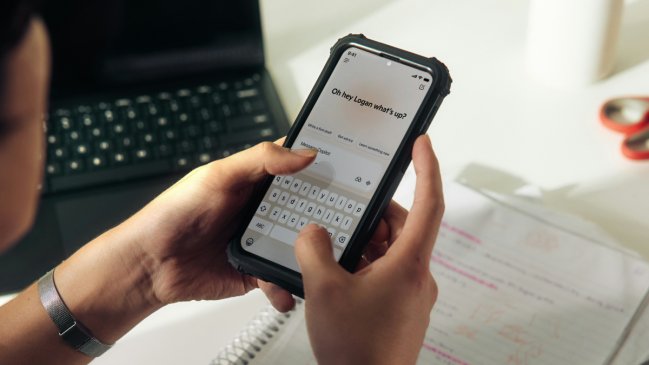
Google is enhancing its digital security by introducing "video-selfie" as a new method for users to log into their accounts. This feature offers an alternative access option, particularly useful if a user's primary login methods are blocked.
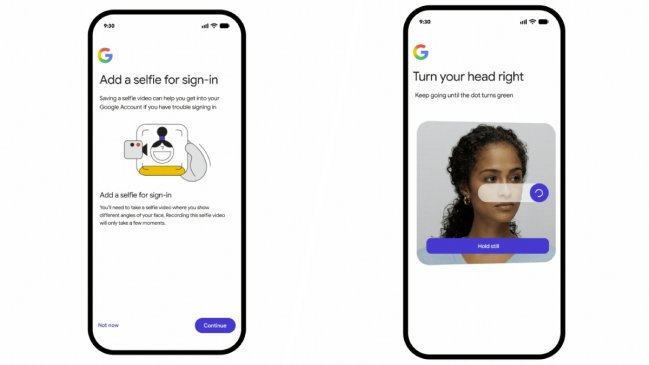
The company emphasizes that "multiple layers of security" will be applied to prevent identity theft, specifically addressing concerns about AI-manipulated fake photos and deepfakes. When a user employs the video-selfie for login, Google compares the live video against a stored selfie. To ensure authenticity, users will be asked to perform simple head movements, demonstrating that the video is captured in real-time. Standard security practices will also be in place to detect and prevent suspicious login attempts.
Setting up the feature is designed to be straightforward. Users will need to look at their device's camera and follow simple guided head movements to capture their face from various angles. If a user later encounters issues logging in, they can record a new video-selfie. The system will then compare this new recording with the original one to verify their identity and grant access.
Regarding privacy, Google asserts that the "video-selfie" remains exclusively the user's property, with them retaining full control. The company reported that this security measure is currently available in Mexico, Colombia, Peru, Ecuador, Bolivia, Paraguay, Costa Rica, Guatemala, El Salvador, Panama, and Puerto Rico. Notably, Chile is not yet included in this rollout.
DistantNews Editorial
Originally published by Cooperativa in Spanish. Translated, summarized, and contextualized by our editorial team with added local perspective. Read our editorial standards.
More Stories

From Our Blog

What Gets Lost (and Found) When News Is Translated

The Critical Role of Diaspora Media in Global News

What Travellers Should Know About Countries with Restricted Press

A Digital Nomad's Guide to Following Local News

How the Same Story Looks Different in Different Countries
