

Google Ads 'Fatih Karahan' Trap: Scammers Target Citizens Via Central Bank
Translated from Turkish, summarized and contextualized by DistantNews.
At a glance
News
Sources not specified
Context piece
- Scammers are using Google ads to target Turkish citizens with fake investment schemes, impersonating the Central Bank President Fatih Karahan.
- Fraudsters employ a "cloaking" technique to bypass Google's ad review systems, redirecting users clicking on seemingly legitimate news links to fraudulent investment pages.
- Experts warn citizens to be skeptical of sensational headlines, high-profit promises, and to verify website URLs, emphasizing the need for platforms like Google to implement stricter verification for advertisers.
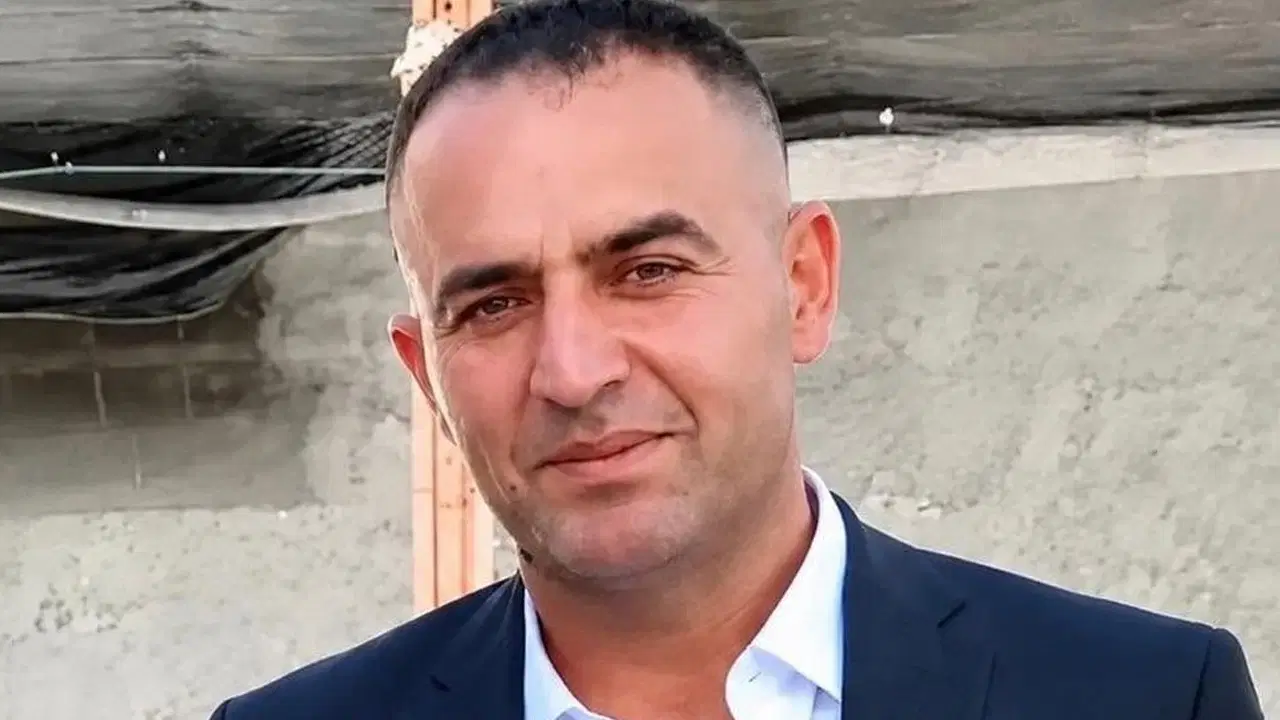
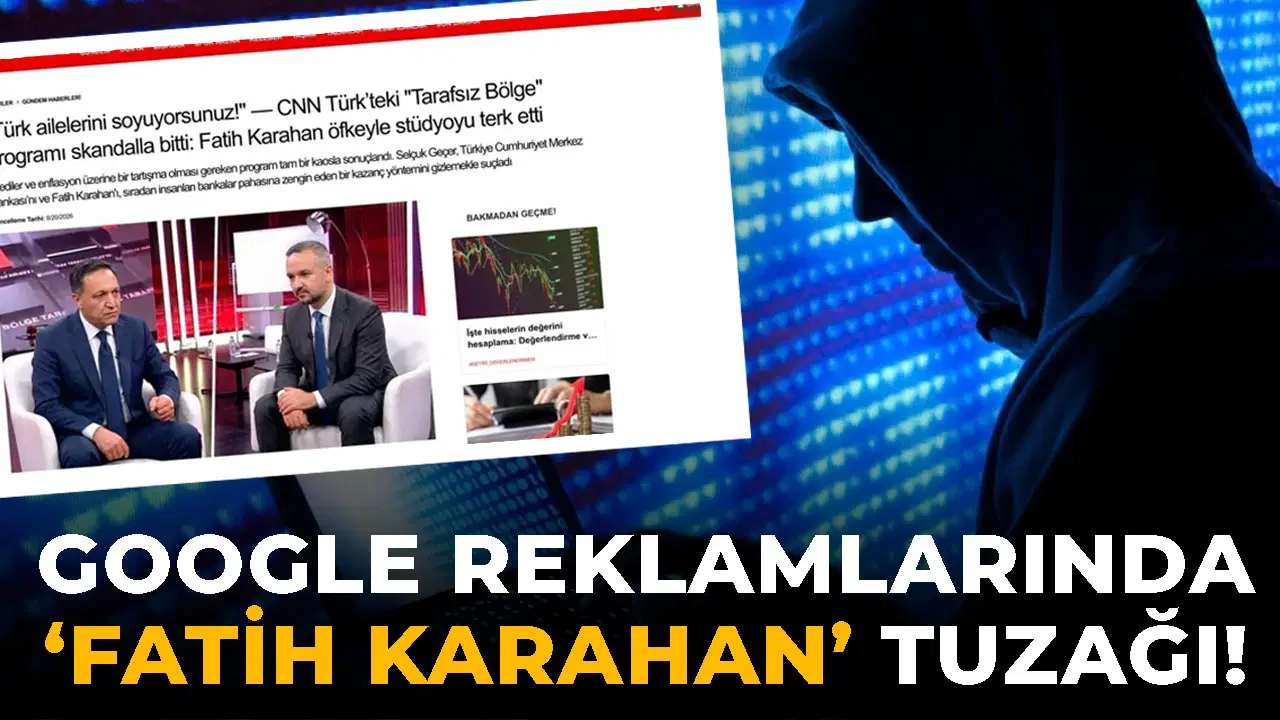
A sophisticated scam operation is exploiting Google's advertising platform to target Turkish citizens with fraudulent investment schemes, using the image of Central Bank President Dr. Fatih Karahan to lend credibility.
These scams, often appearing on social media and now extending to news websites' ad spaces, lure users with fake investment promises. The fraudsters create provocative headlines, falsely claiming Karahan has been removed from his post. When users click these ads, they are redirected to fake pages that mimic the interfaces of reputable news organizations.
Cybersecurity experts explain that the scammers utilize a "cloaking" method. They initially submit harmless business promotions to Google's automated systems. Once the ads are approved and published, the content and destination links are manipulated to lead users into investment traps. These fake pages often promise "high returns" and "state-backed profits," pressuring individuals to submit personal and financial information, leading to monetary losses.
The incident highlights the inadequacy of content moderation by global tech giants like Google. The reliance on automated bot systems without sufficient human oversight allows fraudulent content to reach a wide audience. Legal and security experts argue that platforms must be held accountable for verifying advertiser identities in real-time and continuously monitoring redirected domain names, not just blocking fraudulent sites after the fact.
In response to these threats, experts urge citizens to approach sensational headlines with caution, especially those involving public officials. They advise verifying any speculative news through official communication channels. Promises of quick, high profits or "state guarantees" should be disregarded, and personal or financial details should never be shared on such platforms. Crucially, users are advised to always check the URL in their browser's address bar, even if the page uses familiar logos, to ensure its authenticity.
DistantNews Editorial
Originally published by Cumhuriyet in Turkish. Translated, summarized, and contextualized by our editorial team with added local perspective. Read our editorial standards.
More Stories



From Our Blog

What Gets Lost (and Found) When News Is Translated

The Critical Role of Diaspora Media in Global News

What Travellers Should Know About Countries with Restricted Press

A Digital Nomad's Guide to Following Local News

How the Same Story Looks Different in Different Countries
