


Governance failures
Summarized and contextualized by DistantNews.
At a glance
Analysis
Named sources
Context piece
- Pakistan's Interior Minister Mohsin Naqvi proposed creating new administrative units, claiming the current governance system has "collapsed."
- The military spokesman endorsed the idea of a "system reset" and new administrative units.
- The proposal faced widespread criticism from political parties, legal associations, and provincial leaders, who questioned its constitutionality and timing amidst ongoing unrest.
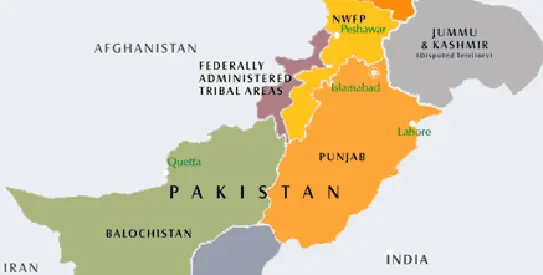
An effort to spark debate on restructuring Pakistan's administrative units has emerged, with Interior Minister Mohsin Naqvi leading the charge. Naqvi, known for his close ties to the establishment, declared the present governance system has "collapsed," advocating for the creation of more provinces and administrative divisions. He offered no concrete explanation for what "collapse" entails or how new units would resolve the nation's deep-seated problems.
collapsed
Adding weight to the proposal, the military spokesman echoed the call for a "system reset" and endorsed the creation of new administrative units. This alignment between the civilian interior minister and the military leadership signals a concerted push for significant administrative reform. However, such proposals are not new in Pakistan, often surfacing from the establishment or vested interest groups, but rarely gaining traction.
This time proved no different, as Naqvi's proposal was met with immediate criticism across the political spectrum. Leaders from the ruling party questioned his statement, while the PPP's Sindh chief minister, Murad Ali Shah, outright rejected the idea of new provinces. Other parties accused Naqvi of attempting to divide Sindh, and the Lahore High Court Bar Association deemed the proposal unconstitutional, arguing that those responsible for the current "destruction" should not be proposing a new system.
system reset
Critics argue that the premise of Naqvi's proposal, that Pakistan's governance crisis stems from the number or size of its provinces, is flawed. They contend that administrative reorganization could be achieved through empowering local governments, not necessarily by creating new provinces. Furthermore, the Constitution outlines a clear, multi-stage process involving provincial assemblies and parliamentary supermajorities for any alteration of provincial boundaries, a process Naqvi's suggestion seemed to bypass by implying executive fiat.
illegitimate
The timing of this debate is particularly baffling, occurring while several provinces face significant security challenges, including insurgency, militant violence, and widespread protests in Azad Kashmir. Critics suggest a spurious connection is being drawn between the provincial configuration and the governance failures, attributing the country's complex challenges to prolonged political instability, deferred economic reforms, weak leadership, and a consistent reliance on foreign aid rather than internal solutions.
new system
DistantNews Editorial
Originally published by Dawn. Summarized and contextualized by our editorial team with added local perspective. Read our editorial standards.
More Stories

From Our Blog

What Gets Lost (and Found) When News Is Translated

The Critical Role of Diaspora Media in Global News

What Travellers Should Know About Countries with Restricted Press

A Digital Nomad's Guide to Following Local News

How the Same Story Looks Different in Different Countries
