


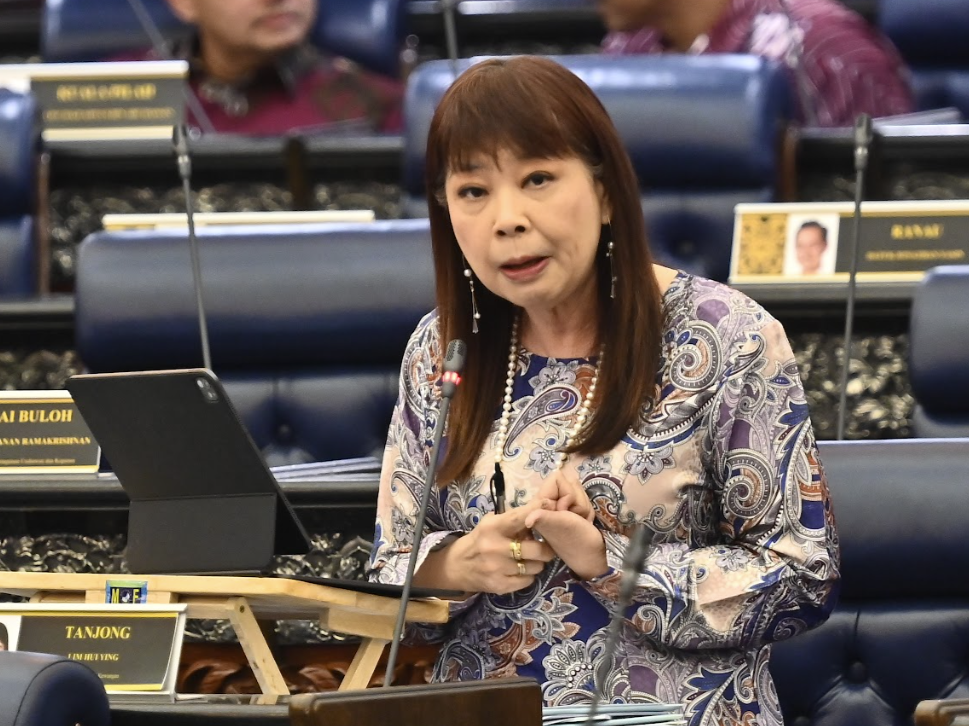
Government prioritizes community-based elder care
Translated from Malay, summarized and contextualized by DistantNews.
At a glance
News
Sources not specified
New plan
- Malaysia is prioritizing community-based elder care over long-term institutional placements to manage a growing elderly population.
- The government views elder care as a national social security agenda requiring inter-ministerial and private sector collaboration.
- A national action plan for the elderly (2026-2030) aims to train 50,000 skilled caregivers and develop a Long-Term Care Ecosystem.
Malaysia's government is shifting its focus towards community and family-based elder care, moving away from long-term institutional or hospital placements. This strategic pivot is in preparation for the nation's increasing elderly population.
Deputy Minister of Women, Family, and Community Development, Lim Hui Ying, stated that long-term institutional care is not only fiscally burdensome but also contradicts the principle of aging in place. The government now considers elder care a crucial national social security issue, necessitating cooperation across various ministries and the private sector. Hui Ying emphasized the need for a "Whole-of-Nation" approach to address the multifaceted aspects of elder care.
In this regard, a Whole-of-Nation approach needs to be taken as this issue needs to be faced from various angles involving the jurisdiction and expertise across various ministries and the private sector.
The Ministry of Women, Family, and Community Development is concentrating on developing knowledgeable and skilled caregivers to meet societal needs. In response to Senator Dr. Wan Martina Wan Yusoff's question about financing elder care, particularly for those requiring intensive, long-term, or chronic illness care, Hui Ying outlined the National Elderly Action Plan (PTWEN) 2026-2030.
This plan serves as a guide for policies, programs, and initiatives related to the elderly over the next five years. It includes developing a Long-Term Care Ecosystem through the Malaysia Care Strategic Framework and Action Plan 2026-2030. The goal is to enhance the provision of comprehensive care services, support the well-being, protection, and active participation of seniors, and train 50,000 skilled caregivers by 2030. The framework also encourages private sector involvement through Public-Private Partnerships (PPP) to increase the availability of competitive and accessible home and private care services.
The goal is to increase the supply of daily care services at home and in private care centers that are competitive and accessible.
DistantNews Editorial
Originally published by Utusan Malaysia in Malay. Translated, summarized, and contextualized by our editorial team with added local perspective. Read our editorial standards.
More Stories


From Our Blog

What Gets Lost (and Found) When News Is Translated

The Critical Role of Diaspora Media in Global News

What Travellers Should Know About Countries with Restricted Press

A Digital Nomad's Guide to Following Local News

How the Same Story Looks Different in Different Countries
