


Government resignation and vice president appointment: what happens after the Kurultai elections
Summarized and contextualized by DistantNews.
At a glance
News
Named sources
New plan
- Kazakhstan's new parliament, the Kurultai, will be formed after election results are finalized, with parties needing to clear a 5 percent threshold to enter.
- The President will convene the first session within 30 days, where deputies will take an oath and elect committee chairs.
- The Kurultai will have powers to approve prime minister and vice president candidates, confirm constitutional appointments, and conduct oversight of the executive branch.
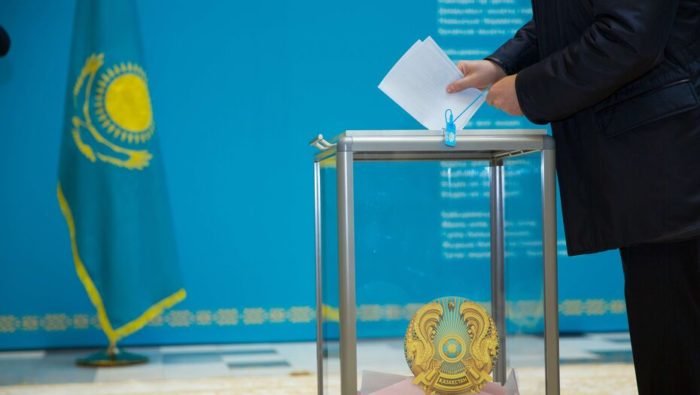
Kazakhstan is preparing for the formation of its new parliament, the Kurultai, following the recent elections. The process, strictly regulated by the Constitution and legislation, will see the Central Election Commission officially announce the results. Only parties surpassing the 5 percent electoral threshold will secure seats in the new parliament, which will comprise 145 deputies elected from party lists, each serving a five-year term.
Political analyst Tair Nigmanov explained that the newly elected Kurultai's authority commences with its inaugural session. This session must be convened no later than 30 days after the election results are published, traditionally opened by the Head of State. The internal structure of the Kurultai is governed by constitutional law, allowing for a maximum of eight committees. Committee chairs will be elected through an open vote, based on nominations from the deputies themselves.
The Kurultai is poised to wield significant powers in appointments and oversight. Deputies will play a role in approving candidates for prime minister and vice president, as well as confirming key constitutional appointments, including members of the Constitutional Court. Furthermore, the parliament will enhance its oversight of the executive branch, with the ability to monitor the Supreme Audit Chamber's work and initiate no-confidence votes against government members, potentially leading to their dismissal.
Analyzing the election platforms, Nigmanov noted that while parties generally support the Head of State's initiatives, distinct ideological differences persist. The political spectrum ranges from centrist and right-wing parties like Adilet and Ak Zhol, focusing on business and traditional values respectively, to left-wing parties such as the People's Party of Kazakhstan and the Nationwide Social Democratic Party, emphasizing social support and socialist values. The Auyl Party also represents a distinct political voice.
The legally established deadline for convening the first session is no later than 30 days after the publication of the Kurultai election results. Under established political tradition, the first session is opened by the Head of State. The internal structure of the chamber is regulated by constitutional law. No more than eight committees may be formed within the Kurultai. Committee chairs are elected by open vote for each candidate nominated by the deputies themselves.
DistantNews Editorial
Originally published by Tengrinews. Summarized and contextualized by our editorial team with added local perspective. Read our editorial standards.
More Stories


From Our Blog

What Gets Lost (and Found) When News Is Translated

The Critical Role of Diaspora Media in Global News

What Travellers Should Know About Countries with Restricted Press

A Digital Nomad's Guide to Following Local News

How the Same Story Looks Different in Different Countries
