


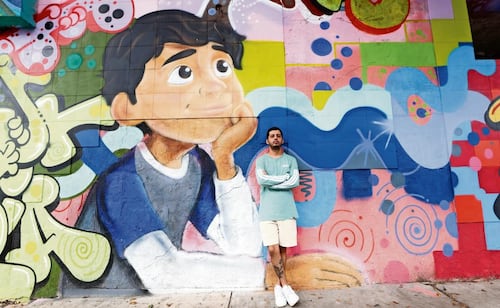
Graffiti Can Help Rebuild Social Fabric
Translated from Spanish, summarized and contextualized by DistantNews.
At a glance
Analysis
Official statement
Context piece
- Graffiti can play a role in rebuilding social fabric, according to a statement.
- The statement suggests that street art can contribute to community cohesion.
- This perspective highlights the potential of urban art beyond mere decoration.
Graffiti has the potential to contribute significantly to the reconstruction of the social fabric, according to a recent statement. This viewpoint suggests that urban art forms, often perceived negatively, can serve as a powerful tool for fostering community connections and rebuilding social cohesion. The idea posits that well-executed graffiti can transform public spaces and encourage a sense of shared identity among residents.
This perspective challenges conventional views of graffiti as solely vandalism. Instead, it frames street art as a medium capable of revitalizing neighborhoods and strengthening community bonds. By engaging with public spaces in a creative manner, graffiti can become a catalyst for dialogue and a symbol of local culture. The statement implies that such artistic expressions can help mend divisions and foster a more integrated society.
The potential for graffiti to aid in social reconstruction underscores the importance of understanding urban art's multifaceted role. It suggests that embracing and channeling creative energies in public spaces could lead to positive social outcomes. This approach highlights a more inclusive and constructive way of viewing and interacting with street art within urban environments.
DistantNews Editorial
Originally published by El Universal in Spanish. Translated, summarized, and contextualized by our editorial team with added local perspective. Read our editorial standards.
More Stories


From Our Blog

What Press Freedom Means for the News You Read

What Gets Lost (and Found) When News Is Translated

The Critical Role of Diaspora Media in Global News

What Travellers Should Know About Countries with Restricted Press

A Digital Nomad's Guide to Following Local News
