


Greece Assured of Kerosene Supply Amidst Price Hikes and Consumer Resilience
Translated from Greek, summarized and contextualized by DistantNews.
TLDR
- Greece is assured of sufficient kerosene supplies, but prices will increase, impacting ticket costs, according to Aegean Airlines president Eftychis Vassilakis.
- The uncertainty has led to more last-minute travel decisions, though passenger traffic and bookings for the first four months of the year are higher than in 2025.
- The crisis has had less impact on Greek consumers than expected, with many remaining calm due to prior experience with crises, according to Aristotelis Panteliadis, president of Metro AEBE.
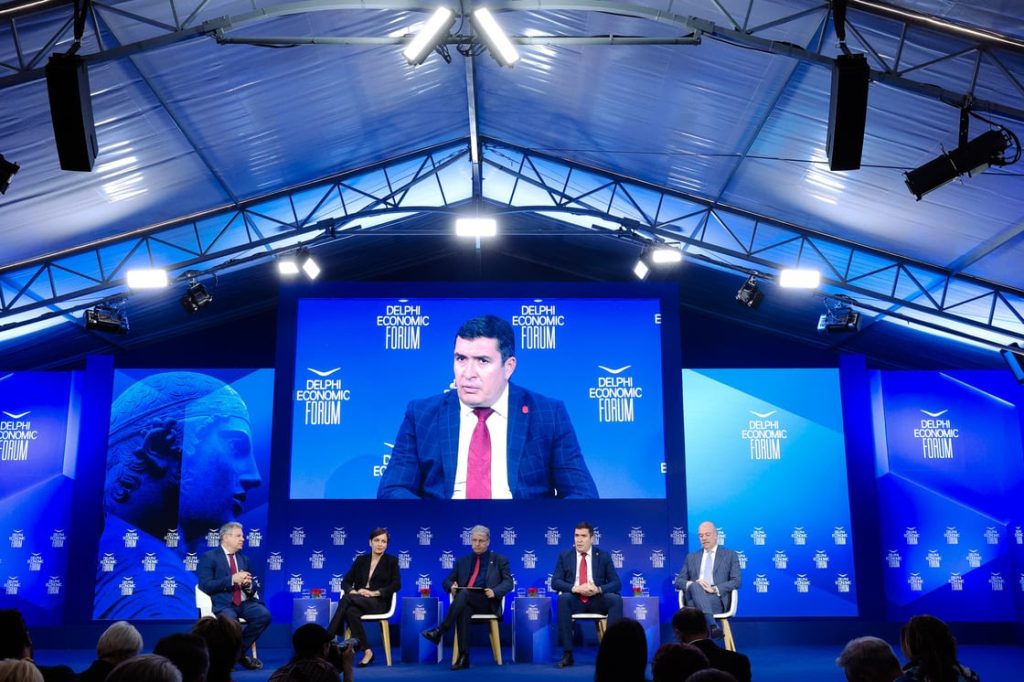
While global supply chain disruptions and geopolitical tensions cast a shadow, Greece's aviation sector is poised to navigate the challenges, albeit with some adjustments. Eftychis Vassilakis, president of Aegean Airlines and vice president of SEV (Hellenic Federation of Enterprises), expressed confidence in securing adequate kerosene supplies. However, he candidly acknowledged that this assurance comes at a cost: higher fuel prices, which will inevitably translate to increased airfares.
We are assured that there will be the necessary quantities of aviation fuels in Greece.
This price hike, coupled with general uncertainty, is prompting a shift in consumer behavior. Vassilakis noted a trend towards more spontaneous travel planning, with passengers increasingly making last-minute decisions. Despite this, the overall picture for the first four months of the year shows a robust increase in both passenger traffic and bookings compared to the previous year, suggesting a resilient demand for air travel.
The fuel will be more expensive and will also affect ticket prices.
On the consumer front, Aristotelis Panteliadis, president of Metro AEBE, offered a reassuring perspective. He observed that Greek consumers have weathered the storm of Middle Eastern crises with remarkable stoicism. While a degree of concern exists, a sense of calm prevails, a testament to their accumulated experience in navigating prolonged periods of uncertainty. This resilience is further bolstered by evolving consumer habits, such as a growing preference for healthy eating and a demand for convenience, which are driving innovation in the retail sector.
The Greek consumer has ultimately been affected much less by the crisis in the Middle East.
Panteliadis also shed light on the pressures facing the supermarket industry. Operating with tight profit margins for years, the sector faces a restrictive regulatory environment. He highlighted that out of every 100 euros spent by a consumer, a mere 1.2 euros translates to profit for the supermarket chain. Nevertheless, significant investments are still being made, underscoring a long-term strategic vision focused on strengthening tourism and supporting other vital industries like manufacturing. The prevailing sentiment is that Greece, with its strategic planning and robust support for key sectors, will overcome these challenges with minimal repercussions.
There is indeed concern and anxiety, however, the public is maintaining a wait-and-see attitude, as after multiple crises in recent years, they appear more accustomed and calmer.
DistantNews Editorial
Originally published by Kathimerini in Greek. Translated, summarized, and contextualized by our editorial team with added local perspective. Read our editorial standards.
More Stories


From Our Blog

What Gets Lost (and Found) When News Is Translated

The Critical Role of Diaspora Media in Global News

What Travellers Should Know About Countries with Restricted Press

A Digital Nomad's Guide to Following Local News

How the Same Story Looks Different in Different Countries
