


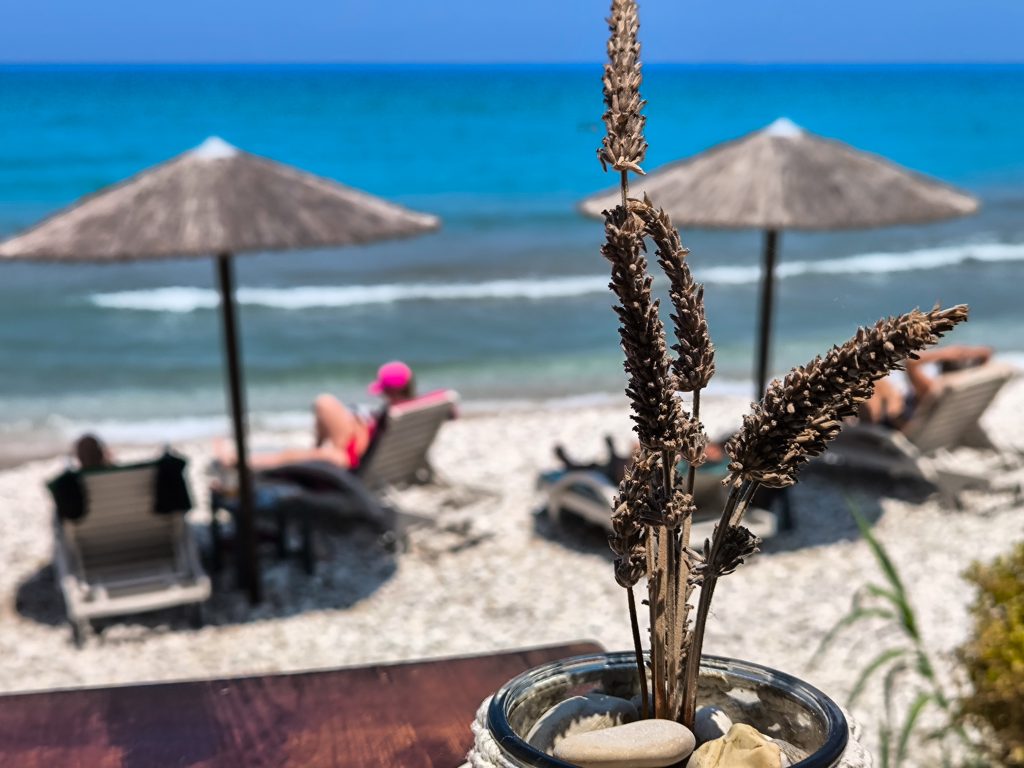
Greece braces for heatwave: Four days of high temperatures and strong northerly winds expected
Translated from Greek and summarized by DistantNews. Read the original for the full story.
At a glance
News
Official statement
Context piece
- Greece is set for a four-day heatwave, with temperatures expected to reach 36-38 degrees Celsius inland and up to 39 degrees Celsius in southern regions.
- While most areas will be clear, some parts of eastern Macedonia and Thrace may experience showers or isolated thunderstorms, particularly in mountainous areas during the afternoon.
- Strong northerly winds, reaching 4-6 Beaufort and up to 7 Beaufort at sea, will accompany the high temperatures, with minimal temperature change expected.
Greece is preparing for a significant heatwave, with the National Meteorological Service issuing a forecast for four days of intense heat across the country.
Temperatures are expected to soar inland, reaching 36 to 38 degrees Celsius, with some southern areas potentially hitting 39 degrees Celsius. In the island regions, maximum temperatures will range from 34 to 36 degrees Celsius, while southern Crete could see highs of 37 degrees Celsius.
The weather will largely be clear across most of Greece. However, eastern Macedonia and Thrace might experience showers or isolated thunderstorms, with a possibility of localized phenomena in other mountainous mainland areas during the afternoon hours. The prevailing winds will be from the north, blowing at 4 to 6 Beaufort, and potentially reaching 7 Beaufort at sea.
Regional forecasts indicate varied conditions. Macedonia and Thrace will be mostly clear with a chance of afternoon showers. The Ionian Islands, Epirus, Western Stereá, and Western Peloponnese will see generally clear skies with some temporary clouds in the mountains. The Cyclades and Crete will experience clear skies with strong northerly winds of 6 to 7 Beaufort. Attica will remain generally clear with northeastern winds, and Thessaloniki will be mostly clear with variable winds.
About this summary
Originally published by Ta Nea in Greek. Translated, summarized, and contextualized automatically by DistantNews, with a note on how the source frames the story. Not individually reviewed before publishing. How this works.
More Stories



From Our Blog

What Gets Lost (and Found) When News Is Translated

The Critical Role of Diaspora Media in Global News

What Travellers Should Know About Countries with Restricted Press

A Digital Nomad's Guide to Following Local News

How the Same Story Looks Different in Different Countries
