


Greece Eyes Record Tourism Year Amid Strong Post-Pandemic Recovery
Translated from German, summarized and contextualized by DistantNews.
At a glance
News
Sources not specified
Context piece
- Greece's tourism sector is experiencing a strong recovery, with expectations of a record-breaking year in 2026.
- Visitor numbers have surged since the pandemic, with 22.4 million arrivals in 2025, including a record 926,000 from Austria.
- While popular destinations like Mykonos and Santorini face saturation, investments in infrastructure and the rise of Athens as a city-break destination are boosting overall tourism.
Greece's tourism industry is on track for a potentially record-breaking year in 2026, signaling a robust recovery following the pandemic-induced downturn. After navigating concerns over geopolitical tensions and energy crises, the nation is now witnessing a significant increase in visitor numbers and revenue.
Visitor figures have rebounded dramatically since the lows of 2020 and 2021, with 2025 seeing 22.4 million tourists, more than double the country's population. This surge includes a record 926,000 Austrian visitors alone last year. The boom is attributed to substantial investments in high-end hotels and infrastructure, the popularity of alternative accommodations like Airbnb, and Athens' growing status as a city-break destination.
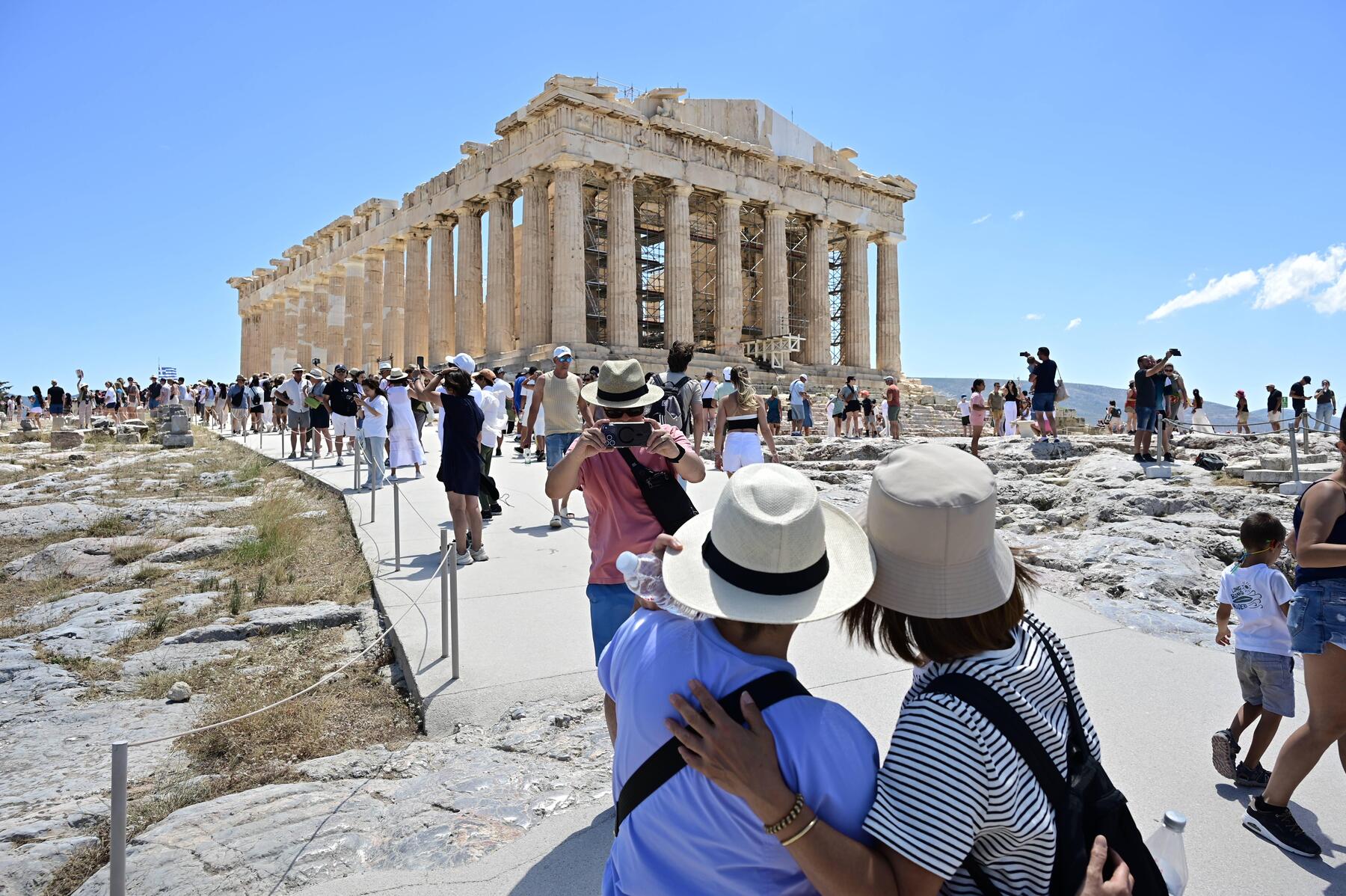
However, the success is not without its challenges. Over-saturated and increasingly expensive hotspots like Mykonos and Santorini have experienced slight declines for the third consecutive year. Despite this, Greece's vast number of islands and coastal areas allows tourists to explore alternative destinations such as Naxos and Tinos, which have seen increased popularity. Evidence of saturation is visible in long queues at airports and crowded conditions at iconic sites like the Acropolis in Athens, which has implemented hourly visitor limits.
In response, the Ministry of Tourism is developing a comprehensive tourism plan focused on economic, ecological, cultural, and social sustainability. Key measures include impact studies for overburdened regions and development restrictions in popular areas like Mykonos and Santorini, alongside incentives for developing less-touristed regions. While industry representatives acknowledge the need to protect the tourism 'product,' they are reportedly seeking to dilute the proposed regulations.
DistantNews Editorial
Originally published by Die Presse in German. Translated, summarized, and contextualized by our editorial team with added local perspective. Read our editorial standards.
More Stories


From Our Blog

What Gets Lost (and Found) When News Is Translated

The Critical Role of Diaspora Media in Global News

What Travellers Should Know About Countries with Restricted Press

A Digital Nomad's Guide to Following Local News

How the Same Story Looks Different in Different Countries
