


Greece Fights to Keep Ferry Prices Down, Prioritizes Safety
Translated from Greek, summarized and contextualized by DistantNews.
At a glance
News
Named sources
Context piece
- Greece's Minister of Maritime Affairs is prioritizing safety in the ferry sector, conducting over 1,300 inspections.
- The government is fighting to keep ferry ticket prices stable despite rising energy costs and geopolitical instability.
- Efforts include promoting competition and implementing measures like the "Transport Equivalent" to support islanders.
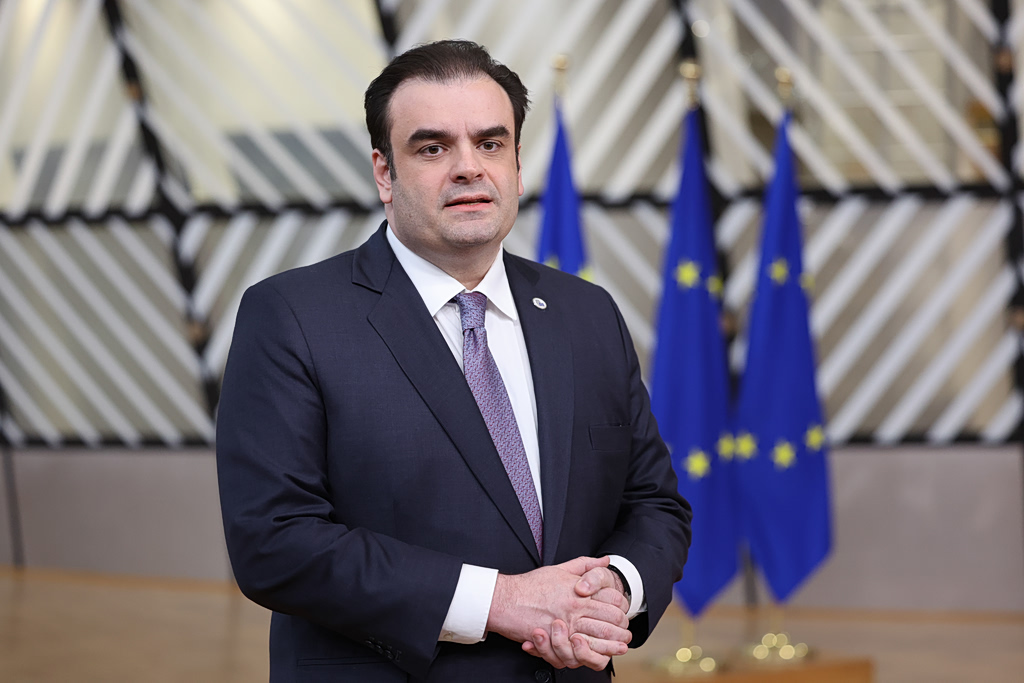
Ensuring the safety of maritime travel is the top priority for Greece's Ministry of Maritime Affairs and Insular Policy, according to Minister Vassilis Kikilias. He reported that over 1,300 regular and emergency inspections have been conducted on ferries, tourist boats, and other vessels.
"Safety is the first priority. Beyond that, our goal is for the ferry sector to operate with rules, calm, and respect: for the people who work at sea, for islanders, for Greek travelers, and for the country's visitors," Kikilias stated in an interview.
Safety is the first priority. Beyond that, our goal is for the ferry sector to operate with rules, calm, and respect: for the people who work at sea, for islanders, for Greek travelers, and for the country's visitors.
The minister highlighted the government's significant efforts to prevent increases in ferry ticket prices, despite international pressures from rising energy costs and a volatile geopolitical climate. He emphasized that sea travel is not a luxury but a necessity for Greek families, particularly for visiting ancestral homes on islands. "The ship and ferry travel are popular means, because they are mass transit. That's why we are fighting hard to keep prices from rising," he said.
The ship and ferry travel are popular means, because they are mass transit. That's why we are fighting hard to keep prices from rising.
Kikilias noted that these efforts have yielded results, pointing to recent discounts announced for high-speed ferries. Families and groups of three traveling round-trip in economy class can now receive discounts ranging from 24% to 42%. He also discussed the "Transport Equivalent" measure, which subsidizes travel costs for island residents, stating that the government has increased its annual funding for this program from 150 million euros to 168 million euros over four years, providing predictability for island communities and businesses.
Addressing port infrastructure, Kikilias acknowledged that many island ports, built decades ago, are struggling to cope with the impacts of the climate crisis, citing over 60 days of southerly winds last year that significantly affected coastal areas. He stressed the need to reinvest in ports and maritime professions, which offer well-paid employment opportunities.
The fact that we reached the end of June, with July ahead of us, to announce discounts of 24% to 42%, is a very important moment. It shows that competition works for the benefit of the citizen.
DistantNews Editorial
Originally published by Ta Nea in Greek. Translated, summarized, and contextualized by our editorial team with added local perspective. Read our editorial standards.
More Stories

From Our Blog

What Gets Lost (and Found) When News Is Translated

The Critical Role of Diaspora Media in Global News

What Travellers Should Know About Countries with Restricted Press

A Digital Nomad's Guide to Following Local News

How the Same Story Looks Different in Different Countries
