


Greek New Left party criticizes cultural heritage commercialization, opposition credibility
Translated from Greek, summarized and contextualized by DistantNews.
At a glance
News
Named sources
Context piece
- The secretary of the New Left party, Gavriil Sakellaridis, discussed the complex political situation in Greece, noting fragmented parliamentary groups and weakened parties.
- He criticized the government's bill to commercialize cultural heritage, creating a private company to manage monuments.
- Sakellaridis also addressed the opposition's credibility crisis, suggesting it stems from a lack of trust in the left-wing parties.
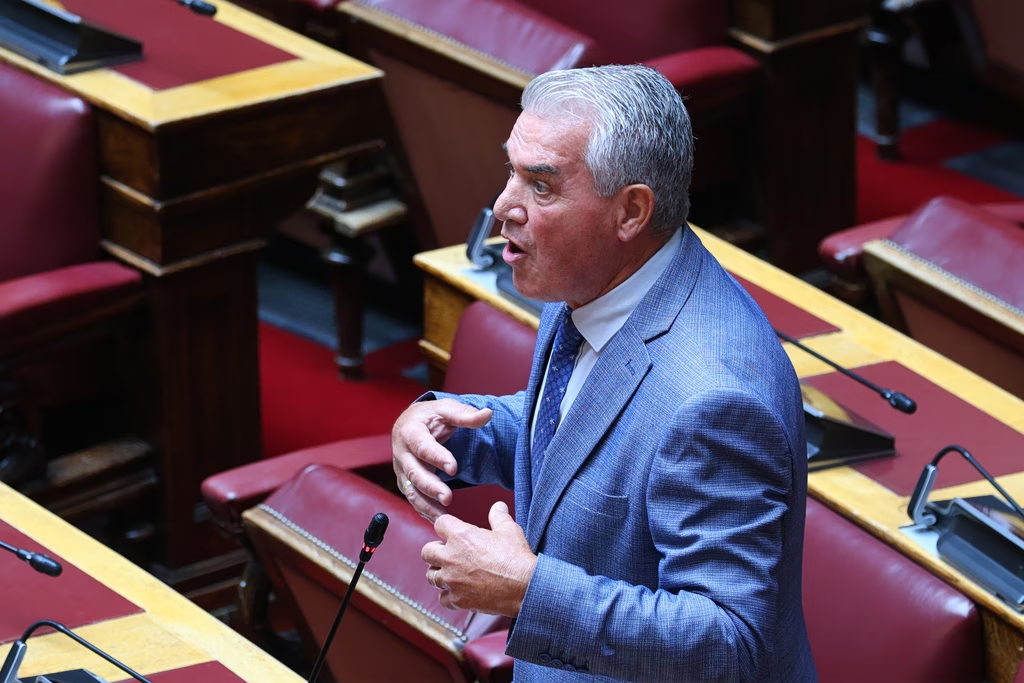
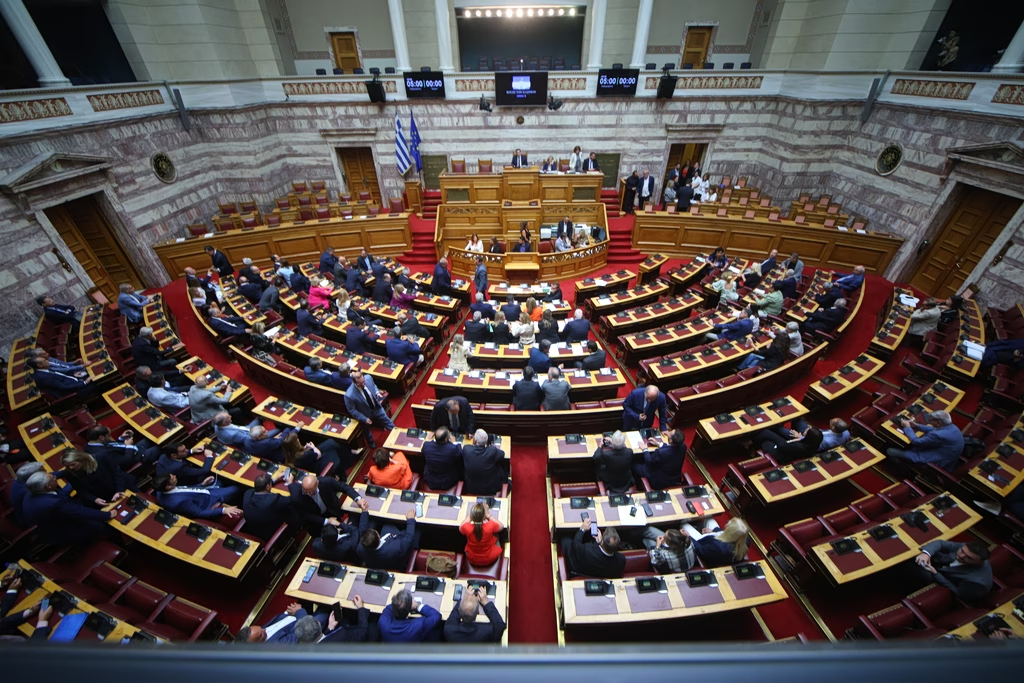
Gavriil Sakellaridis, secretary of Greece's New Left party, described the current parliamentary landscape as highly complex, marked by numerous independent lawmakers and weakened party groups, particularly on the left. He observed this situation during recent plenary sessions concerning constitutional revision and a new bill from the Ministry of Culture.
The government is essentially telling us that while we can be nationally proud of our culture, our monuments, and our museums, from now on we will actually treat this heritage as a commodity.
Sakellaridis specifically criticized the government's proposed legislation regarding cultural heritage. He argued that the bill effectively commercializes Greece's cultural legacy by establishing a private company, Hellenic Heritage, to manage national monuments and heritage sites based on private economic criteria. "The government is essentially telling us that while we can be nationally proud of our culture, our monuments, and our museums, from now on we will actually treat this heritage as a commodity," he stated, drawing parallels to prioritized and exclusive tours for wealthy visitors at sites like the Acropolis.
This approach, he contended, reflects a broader government strategy that extends beyond culture to education, health, and other daily aspects of citizens' lives, potentially increasing pressure on household incomes. Sakellaridis also commented on the opposition's internal struggles, particularly within the progressive and left-wing political spectrum. He suggested that the left's difficulty in convincing the public is linked to a crisis of credibility, making it hard for people to trust their messages.
This approach, he contended, reflects a broader government strategy that extends beyond culture to education, health, and other daily aspects of citizens' lives, potentially increasing pressure on household incomes.
While acknowledging that blame-game is unhelpful, Sakellaridis implied a shared responsibility among left-wing parties for this credibility gap. He believes this situation has specific causes that warrant examination, indicating a need for introspection within the parties to regain public trust.
He suggested that the left's difficulty in convincing the public is linked to a crisis of credibility, making it hard for people to trust their messages.
DistantNews Editorial
Originally published by Ta Nea in Greek. Translated, summarized, and contextualized by our editorial team with added local perspective. Read our editorial standards.
More Stories
From Our Blog

What Gets Lost (and Found) When News Is Translated

The Critical Role of Diaspora Media in Global News

What Travellers Should Know About Countries with Restricted Press

A Digital Nomad's Guide to Following Local News

How the Same Story Looks Different in Different Countries
