

Greek security advisor duped by deepfake impersonating Ukrainian officials
Translated from Greek, summarized and contextualized by DistantNews.
At a glance
News
Named sources
Context piece
- A Greek national security advisor fell victim to a sophisticated deepfake scam, believing he was speaking with Ukrainian officials.
- Russian pranksters used advanced AI technology to impersonate Ukrainian officials, including a deepfake of the Ukrainian counterpart.
- The incident has prompted a review of cybersecurity protocols, highlighting the growing threat of AI-powered disinformation.
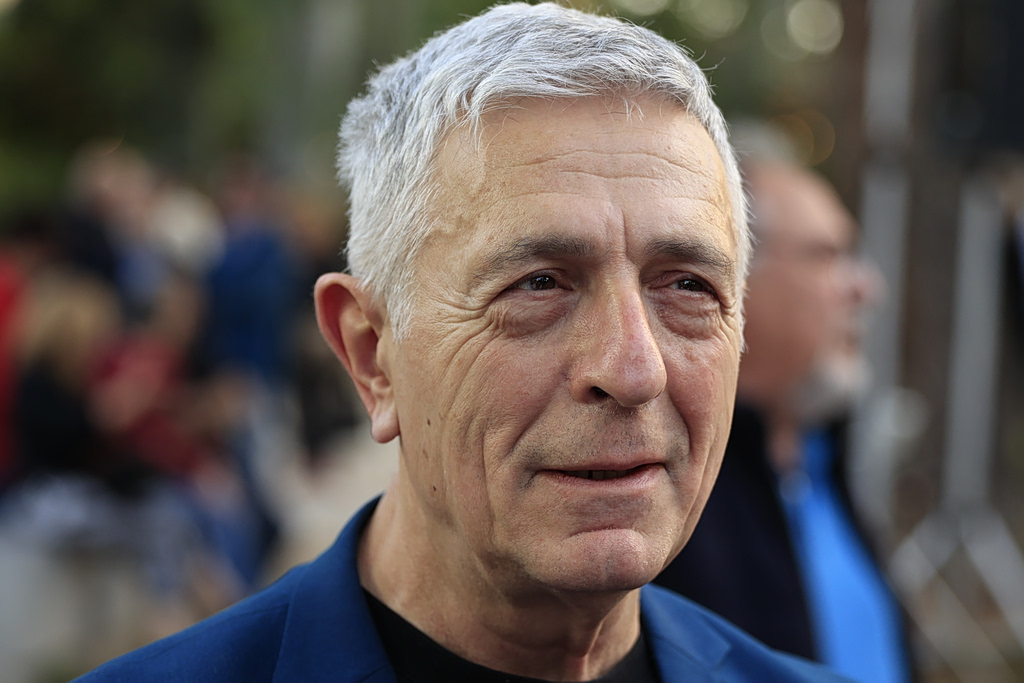
Thanos Dokos, Greece's national security advisor, described a recent encounter where he was deceived by Russian pranksters posing as Ukrainian officials. "I thought I was talking to Umerov… I saw him live, just as I see you," Dokos recounted to SKAI TV, detailing how he believed he was engaged in a video conference with his Ukrainian counterpart.
I thought I was talking to Umerov… I saw him live, just as I see you.
Dokos emphasized that there were no initial signs of deception. The impersonation involved a deepfake of the Ukrainian official, created with highly advanced AI technology. The pranksters had also sent materials, including names, addresses, and official letterheads, mimicking authentic communication protocols. This meticulous preparation, coupled with a prior real conversation with the actual Ukrainian official a week earlier about unresolved issues, made the deception convincing.
"I saw my counterpart and we started discussing. He was live, reacting to my words," Dokos explained, noting that the "voice and image" of the Ukrainian official were stolen. He pointed out that such elaborate scams, involving both audio and video, are a concerning escalation from previous phone-based pranks. Dokos mentioned similar incidents targeting other leaders, such as French President Macron and Polish President Duda.
There was nothing suspicious.
The conversation appeared normal until the "counterpart" insisted on topics that raised Dokos's suspicions. "I started to wonder if there was a language problem or something else," he said. After the call, he immediately informed the National Intelligence Service and contacted the real Ukrainian official, confirming the fraud. The Greek government stated that Dokos's contact details are not easily found online and described the incident as a "hybrid attack penetrating security protocols."
I saw my counterpart and we started discussing. He was live, reacting to my words.
Dokos called the experience "very unpleasant" and stated, "One can no longer trust their own eyes." He confirmed the Prime Minister was promptly informed and expressed deep concern. A review of cybersecurity protocols is already underway, with Dokos highlighting the unsettling reality that "what we see with our own eyes is not always safe," impacting information, communication, and politics.
One can no longer trust their own eyes.
DistantNews Editorial
Originally published by Ta Nea in Greek. Translated, summarized, and contextualized by our editorial team with added local perspective. Read our editorial standards.
More Stories


From Our Blog

What Gets Lost (and Found) When News Is Translated

The Critical Role of Diaspora Media in Global News

What Travellers Should Know About Countries with Restricted Press

A Digital Nomad's Guide to Following Local News

How the Same Story Looks Different in Different Countries
