


Guatemala's road maintenance contracts may be awarded during rainy season
Translated from Spanish, summarized and contextualized by DistantNews.
TLDR
- Guatemala's Ministry of Communications, Infrastructure, and Housing may award road maintenance contracts between June and July, coinciding with the start of the rainy season.
- This timing could delay crucial repairs, as heavy rains typically cause landslides and road damage.
- Experts suggest implementing a new infrastructure directorate and shifting contract models to improve efficiency and address capacity issues within the ministry.
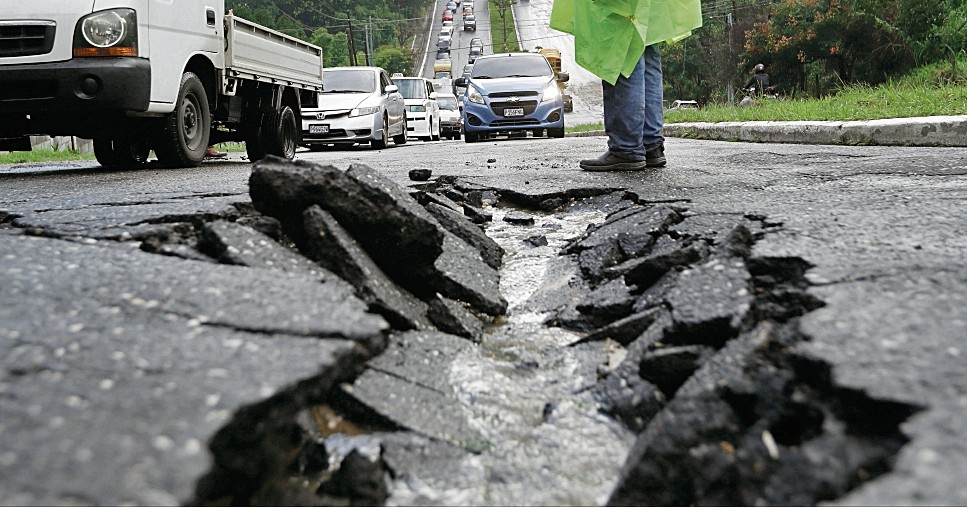
The Ministry of Communications, Infrastructure, and Housing (CIV) is facing a critical juncture as it prepares to award road maintenance contracts for the upcoming rainy season. While the ministry aims to begin the "prebase" for 300 projects under the 2026 Road Maintenance Plan by late June or July, this timeline raises concerns. The rainy season, which begins in May and peaks in June and September, is notorious for causing significant damage to Guatemala's road network through landslides, sinkholes, and collapses. Awarding contracts during this period could severely hamper the execution of much-needed maintenance work.
Norma Zea, the head of CIV, has stated that efforts are underway to reactivate projects from the previous year and integrate them with current planning to ensure continuous coverage from January to November. This approach aims to restore the operational cycle of the Road Conservation Unit (Covial). Furthermore, the plan includes 22 civil works projects designed to enhance the ministry's responsiveness to emergencies across all departments.
This does not mean that we are not currently attending to the road network... Unfortunately, not all projects from the 2025 plan were activated. These are the ones that have been reactivated since January and are the ones being covered.
However, concerns about the ministry's capacity and contracting methods persist. Juan Carlos Zapata, executive director of the Foundation for Development of Guatemala (Fundesa), highlights the need for structural changes. Fundesa has advocated for the establishment of a Directorate for Priority Road Infrastructure (Dipp) and a transition from traditional public works contracting to a system that rewards performance based on service indicators. The Dipp, approved 14 months ago, is intended to streamline the planning, contracting, and supervision of priority road infrastructure projects, but its full implementation remains pending. The current situation underscores the urgent need for these reforms to ensure the timely and effective maintenance of Guatemala's vital road network.
This will help us be more active, be more efficient when any situation occurs in each of the departments.
DistantNews Editorial
Originally published by Prensa Libre in Spanish. Translated, summarized, and contextualized by our editorial team with added local perspective. Read our editorial standards.
More Stories



From Our Blog

What Gets Lost (and Found) When News Is Translated

The Critical Role of Diaspora Media in Global News

What Travellers Should Know About Countries with Restricted Press

A Digital Nomad's Guide to Following Local News

How the Same Story Looks Different in Different Countries
