

Guatemalan College of Lawyers' reform assembly suspended by court order
Translated from Spanish, summarized and contextualized by DistantNews.
At a glance
News
Named sources
In the courts
- The Guatemalan College of Lawyers and Notaries (Cang) had its internal regulation reform assembly suspended by a provisional injunction.
- The reform aimed to update the college's statutes, which have not been changed since its founding in 1947, to improve transparency and democracy.
- Patricia Gámez, president of the Cang's Board of Directors, stated that the proposed changes include establishing an Electoral Tribunal and a registry for professional organizations.
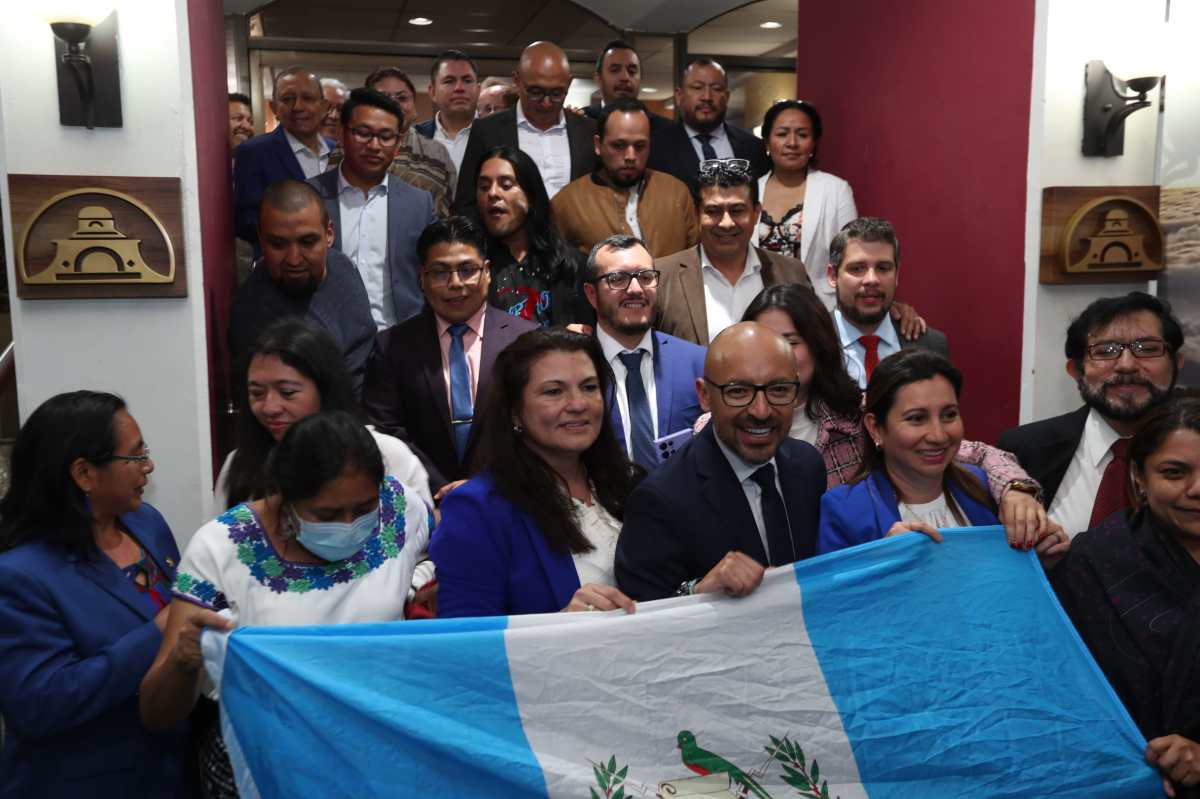
An assembly to reform the internal regulations of the College of Lawyers and Notaries of Guatemala (Cang) was suspended on June 19 due to a provisional injunction, halting a process aimed at updating statutes that have been in place since the college's inception in 1947. The Cang holds significant influence in Guatemalan politics, notably in appointing magistrates to the Constitutional Court (CC) and participating in selection committees.
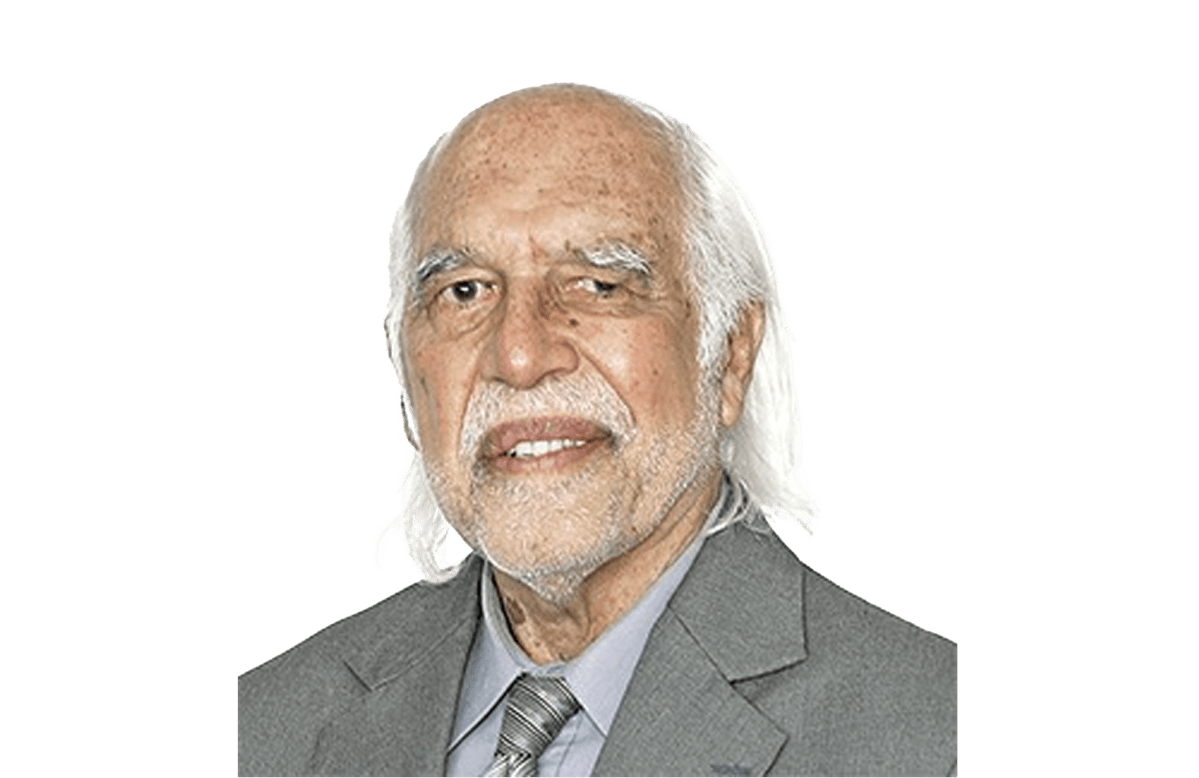
Patricia Gámez, president of the Cang's Board of Directors, explained that the proposed reforms seek to modernize the college's outdated regulations, enhance transparency, and strengthen democratic practices. "The idea was to update the regulations to provide better service to members, have more certainty about the college's functions, and more," Gámez stated. The reform process involved extensive consultation, including working groups and discussion forums, to allow members to contribute to the proposed changes.
Key proposed changes include the incorporation of an Electoral Tribunal as a college body, which is not mentioned in the previous statutes but is considered vital for the college's internal democracy. The new statutes also planned to establish a mechanism for registering professional organizations, aiming to better coordinate activities for the benefit of the members. Furthermore, substantial changes were planned for the Investment Advisory Committee, which would continue to include assembly-elected representatives and former presidents, alongside a new expert appointed by the Board of Directors in economics and finance, reflecting the college's growing financial responsibilities.
The idea was to update the regulations to provide better service to members, have more certainty about the college's functions, and more.
DistantNews Editorial
Originally published by Prensa Libre in Spanish. Translated, summarized, and contextualized by our editorial team with added local perspective. Read our editorial standards.
More Stories
From Our Blog

What Gets Lost (and Found) When News Is Translated

The Critical Role of Diaspora Media in Global News

What Travellers Should Know About Countries with Restricted Press

A Digital Nomad's Guide to Following Local News

How the Same Story Looks Different in Different Countries
