

Guatemalan Lawmaker Questions Low Oversight of Communications Ministry Amid Audit Disparities
Translated from Spanish, summarized and contextualized by DistantNews.
At a glance
News
Named sources
Context piece
- A Guatemalan congressman has questioned the low level of oversight applied to the Ministry of Communications, Infrastructure, and Housing (CIV) by the Comptroller General of Accounts (CGC).
- The CIV received only 8 audits, representing 1% of the CGC's total actions, while the Municipalities sector received 65% (381 audits).
- The congressman criticized the minimal fines imposed on the CIV, calling them 'ridiculous' and suggesting they act as an incentive for corruption.
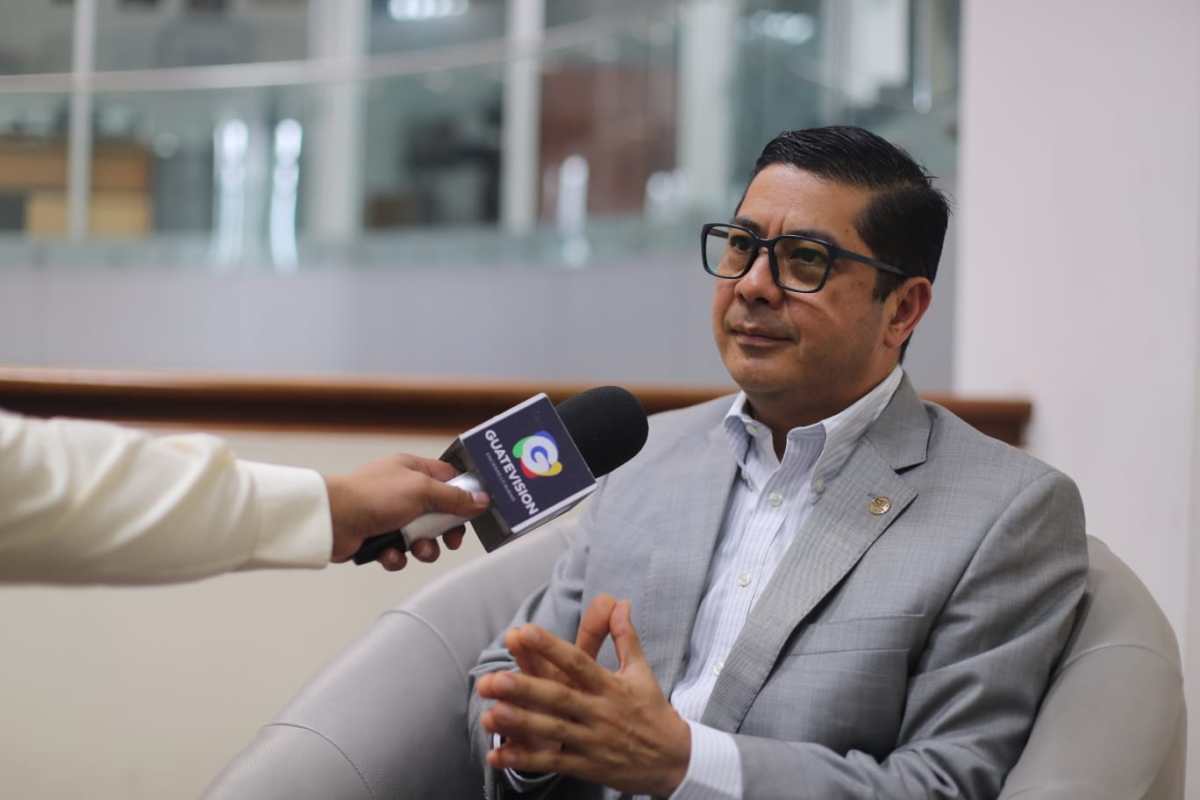
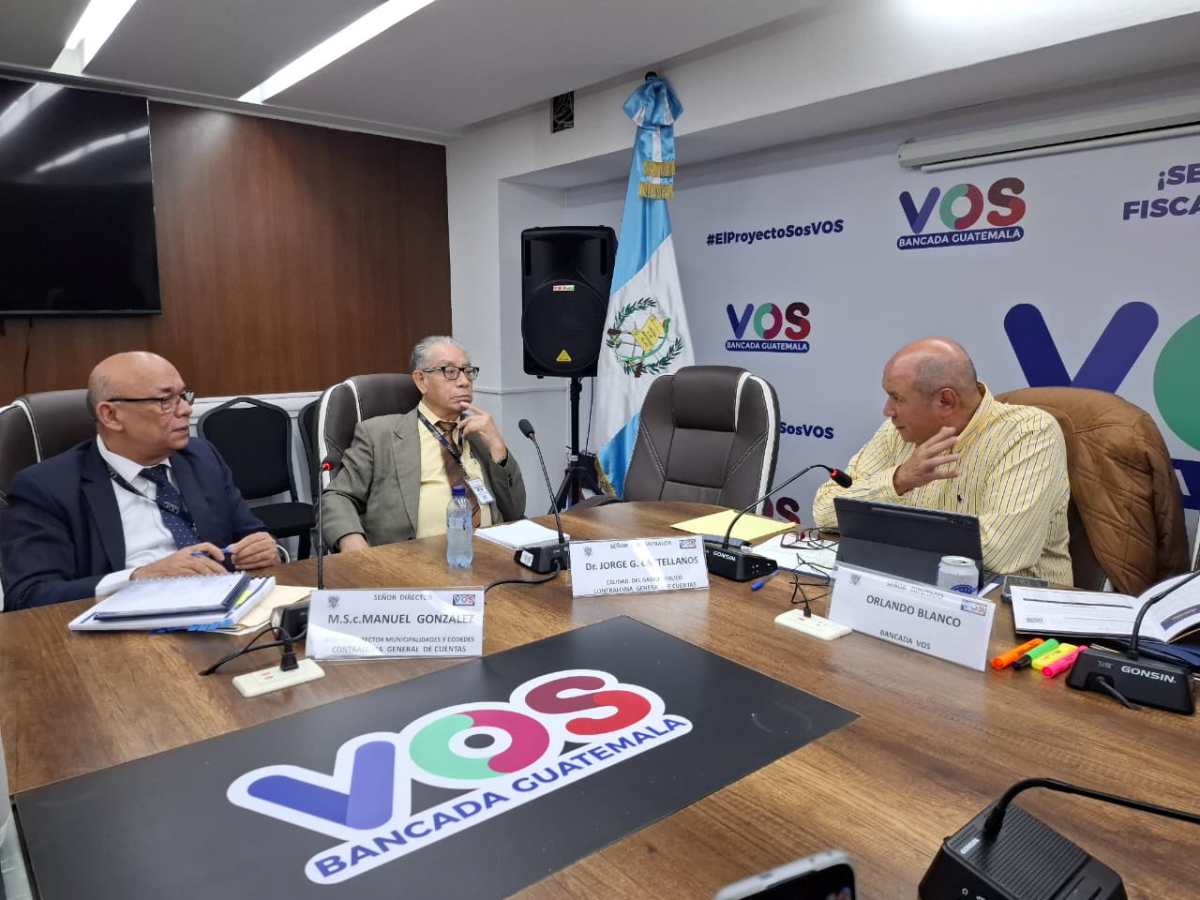
Guatemalan Congressman Orlando Blanco has sharply criticized the Comptroller General of Accounts (CGC) for what he perceives as a significant disparity in public spending oversight, particularly concerning the Ministry of Communications, Infrastructure, and Housing (CIV). During a legislative session on Monday, June 1, Blanco argued that while the Municipalities sector received the vast majority of audits, the CIV, which he described as a critical area for potential corruption, was subjected to a disproportionately low level of scrutiny.
Blanco pointed out that the Communications and Infrastructure sector underwent only 8 audits, constituting a mere 1% of the CGC's total actions. In stark contrast, the Municipalities and Development Councils (Codedes) sector accounted for 381 audits, representing 65% of the Comptroller's work. "It cannot be that where the loot is, in 'Ali Baba's cave' and his 40 thieves, they have only been visited eight times," the legislator stated, implying a deliberate under-auditing of a high-risk ministry.
No puede ser que donde está el botín, en la ‘cueva de Alí Babá’ y sus 40 ladrones, solo les hayan ido a visitar ocho veces.
Further fueling the criticism was the amount of financial sanctions imposed. The CGC's report indicated only Q2 million in sanctions for the communications sector, a figure Blanco deemed "ridiculous" given the ministry's multi-billion quetzal budget. He argued that such minimal fines, often paid with the very funds allegedly misused, do not serve as a deterrent but rather as an "incentive" for corrupt officials. Manuel González, director of Municipalities Audit at the CGC, defended the distribution as a "sectoral distribution," while Blanco countered that this approach seemed designed to divert attention from major infrastructure contracts.
Officials from the CGC, including González and Deputy Director of Municipalities Audit Cristóbal Castellanos, defended their institution's work. They emphasized that audits aim to strengthen internal controls and that preventive actions are a priority. González noted that 2,524 preventive actions were developed this year, asserting that the focus is not solely on sanctions but on preventing administrative failures. They explained that sanctions are applied strictly within the framework of Decree 31-2002, which limits fines based on internal control standards.
No puede ser que donde está el botín, en la ‘cueva de Alí Babá’ y sus 40 ladrones, solo les hayan ido a visitar ocho veces.
DistantNews Editorial
Originally published by Prensa Libre in Spanish. Translated, summarized, and contextualized by our editorial team with added local perspective. Read our editorial standards.
More Stories

From Our Blog

What Gets Lost (and Found) When News Is Translated

The Critical Role of Diaspora Media in Global News

What Travellers Should Know About Countries with Restricted Press

A Digital Nomad's Guide to Following Local News

How the Same Story Looks Different in Different Countries
