


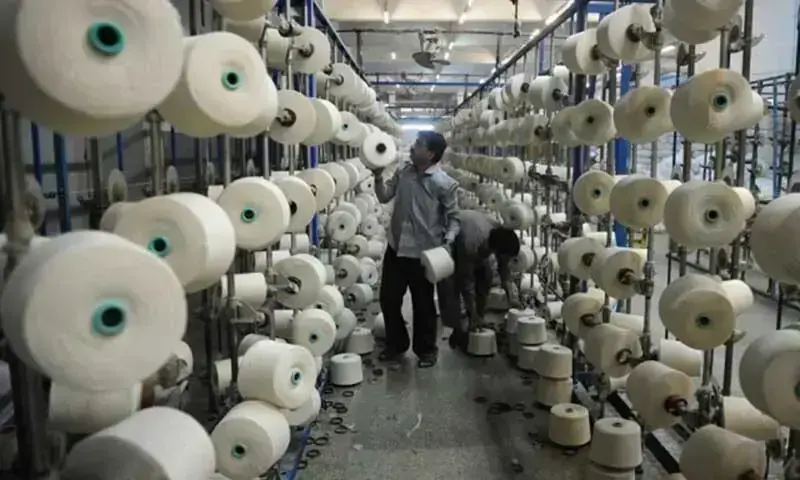
Guilty until proven innocent: Pakistan's textile trade on trial
Summarized and contextualized by DistantNews.
At a glance
Analysis
Sources not specified
Context piece
- European lawmakers are scrutinizing Pakistan's textile trade over labor and sustainability concerns, with new EU regulations set to strengthen monitoring and introduce withdrawal routes for violations.
- Pakistan faces a significant child labor problem, particularly in informal sectors, but the article argues this should not be automatically attributed to export-oriented textile factories operating under formal supply chains and buyer inspections.
- The Pakistani export textile sector is highly scrutinized, with major manufacturers adhering to domestic laws, international codes, and certifications, showing low non-compliance rates in recent assessments.
Pakistan's textile trade faces intense scrutiny from European lawmakers, who often cast the nation as a defendant in labor abuse cases before evidence is presented. The article argues that while Pakistan must confront its serious national child labor problem, especially in informal sectors, this issue should not be automatically applied as a blanket judgment on the entire export industry.
The European Union is tightening its regulations, with the revised Generalised Scheme of Preferences set to expand covered conventions from 27 to 32 and introduce an urgent withdrawal route for systemic violations from January 1, 2027. Pakistan must prepare for this higher standard, but the article insists that regulation must be based on verifiable evidence, not inherited stereotypes about manufacturing in developing nations.
Pakistan's export textile sector is among the most scrutinized parts of its economy. Larger manufacturers operate under domestic labor law, international buyer codes, third-party certifications, and EU's GSP+ conditionality. They are increasingly subject to human-rights due diligence, traceability, and environmental reporting requirements. Programs like the ILO-IFC Better Work Pakistan assess factories and provide advisory support, offering a more credible basis for judgment than anecdotal evidence.
Recent assessments cited in the industry's compliance review show low non-compliance rates, with about 4.6% of factories flagged for minimum wage issues and 2.3% for overtime payments. While these cases require correction, the figures do not support a narrative of sector-wide lawlessness. Major exporters have implemented explicit prohibitions on child and forced labor, along with anti-harassment policies, reinforcing the argument that the industry is actively working to meet international standards.
DistantNews Editorial
Originally published by Dawn. Summarized and contextualized by our editorial team with added local perspective. Read our editorial standards.
More Stories
From Our Blog

What Gets Lost (and Found) When News Is Translated

The Critical Role of Diaspora Media in Global News

What Travellers Should Know About Countries with Restricted Press

A Digital Nomad's Guide to Following Local News

How the Same Story Looks Different in Different Countries
