


Iranian oil smuggling drops 60pc, claim sources
Summarized and contextualized by DistantNews.
At a glance
News
Named sources
Context piece
- Smuggled Iranian oil tanker arrivals in Pakistan have dropped by at least 60% after several were destroyed by unknown attackers.
- The decline follows a period of increased smuggling after oil prices rose above $100 per barrel due to the US-Israeli conflict with Iran.
- Pakistan, which relies heavily on imported fuel, managed to avoid rationing despite the disruption, unlike some regional neighbors.
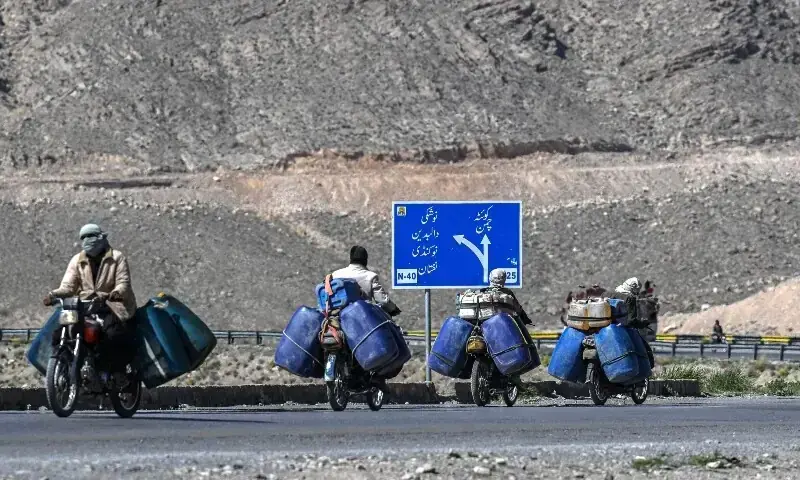
The flow of smuggled Iranian oil into Pakistan has significantly decreased, with sources claiming a reduction of at least 60%. This drop comes after several oil tankers were reportedly destroyed within Balochistan, inflicting heavy losses on those involved in the illegal trade.
The influx of Iranian petroleum products had previously surged following the US-Israeli conflict with Iran, which pushed crude oil prices above $100 per barrel. "Over the past month and a half, at least six oil tankers coming from Iran were destroyed by terrorists, but the actual number is not known," a source familiar with the oil business stated. The global impact of the conflict, including concerns over the Strait of Hormuz, had already caused shockwaves.
Over the past month and a half, at least six oil tankers coming from Iran were destroyed by terrorists, but the actual number is not known.
Despite the disruptions, Pakistan managed to avoid the oil and gas rationing seen in neighboring countries like India, Bangladesh, and Sri Lanka. The country maintained reserves for 25 days and continued to receive shipments. Smuggled oil, available in regions like Balochistan, Sindh, and reportedly Punjab, helped avert a crisis. This illegal trade, estimated to be worth over $2 billion annually, is believed by some in trade circles to have been deliberately overlooked by authorities to prevent shortages during the geopolitical tensions.
Pakistan's reliance on imported petroleum products is substantial, with the country spending approximately $16 billion annually, representing about 22-25% of its total import bill. While prices increased, the share of petroleum in the import bill remained within averages. The government has consistently passed on price hikes to consumers but has successfully prevented a shortage situation.
It is difficult to determine the proportions of previous and current influxes, but smuggling has decreased significantly, by at least 60%.
DistantNews Editorial
Originally published by Dawn. Summarized and contextualized by our editorial team with added local perspective. Read our editorial standards.
More Stories


From Our Blog

What Gets Lost (and Found) When News Is Translated

The Critical Role of Diaspora Media in Global News

What Travellers Should Know About Countries with Restricted Press

A Digital Nomad's Guide to Following Local News

How the Same Story Looks Different in Different Countries
