


Gulf states seek new defense partners as Iran war strains US, China assurances
Translated from English and summarized by DistantNews. Read the original for the full story.
At a glance
News
Sources not specified
Context piece
- Gulf states are reassessing their defense strategies due to the ongoing war in Iran, seeking new partners as they perceive neither the US nor China can guarantee their security.
- This strategic shift towards self-reliance may challenge China's policy of "involvement without commitment" in the region.
- Kuwait's recent military cooperation agreement with Pakistan highlights the growing trend of Gulf nations building independent defense capabilities.
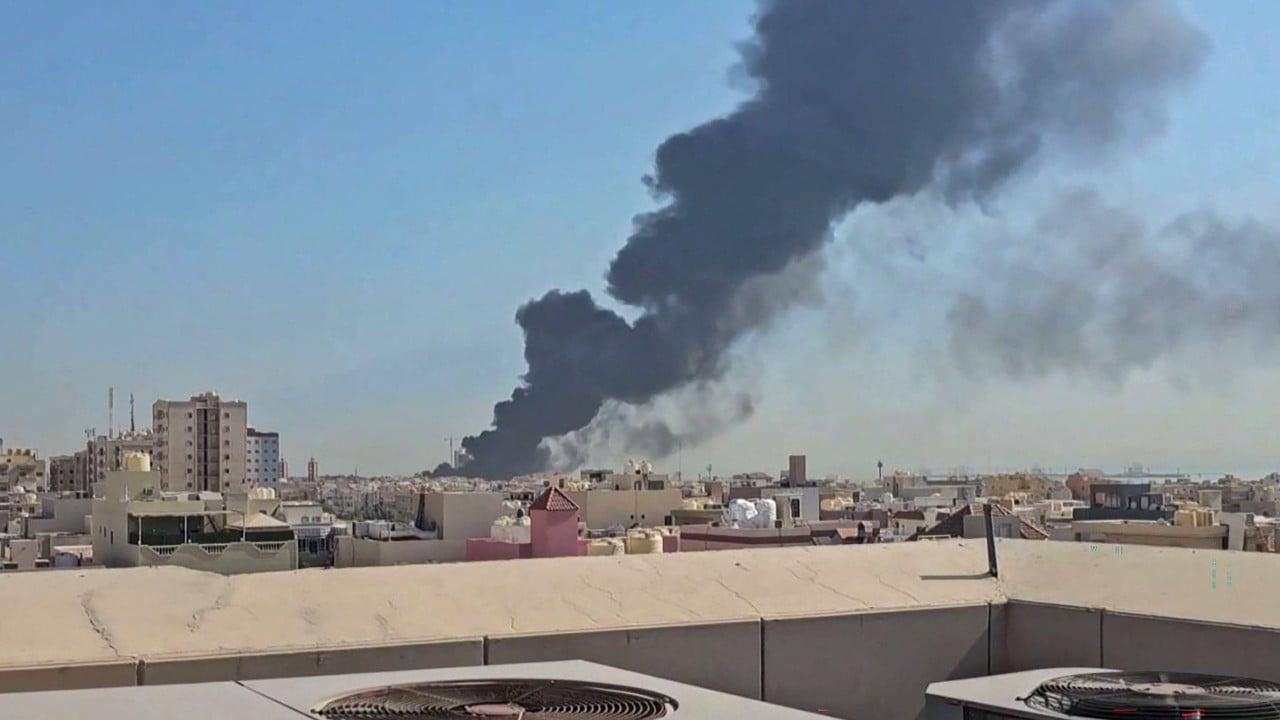
Gulf states are actively seeking new defense partners as the protracted war in Iran forces a strategic pivot, highlighting a growing realization that neither the United States nor China can fully guarantee their security.
The conflict, now in its sixth month, has prompted leaders in the region to confront the limitations of existing alliances. The Iranian army's warning of a potential wider war with the US that could target energy and communications infrastructure has amplified these concerns.
The war has forced Gulf leaders to face the reality that neither the United States nor China is able to protect them from attacks by Iran.
In response, nations like Kuwait have begun forging new defensive ties, exemplified by a recent military cooperation agreement with Pakistan. This pact promises training and enhanced defensive capabilities for the city-state, signaling a move towards greater self-reliance.
However, this regional realignment poses a potential challenge to China's long-standing strategy of "involvement without commitment." As Gulf states increasingly prioritize independent defense networks, Beijing's approach may be tested in a region where security assurances are paramount.
any “possible future war” with the US could spread across the region and target energy and communications infrastructure.
About this summary
Originally published by South China Morning Post in English. Translated, summarized, and contextualized automatically by DistantNews, with a note on how the source frames the story. Not individually reviewed before publishing. How this works.
More Stories


From Our Blog

Countries Without a Free Press: What You Need to Know

What Press Freedom Means for the News You Read

What Gets Lost (and Found) When News Is Translated

The Critical Role of Diaspora Media in Global News

What Travellers Should Know About Countries with Restricted Press
