


Gut Microbes Impact Male Fertility and Performance, Vietnamese Experts Say
Translated from Vietnamese, summarized and contextualized by DistantNews.
TLDR
- The gut microbiome plays a significant role in male reproductive health, influencing sperm quality and male hormonal balance, according to Vietnamese experts.
- Emerging research suggests that the reproductive organs, previously considered sterile, host their own unique microbial communities that impact sperm production and erectile function.
- Imbalances in gut or seminal fluid microbiota are linked to infertility and erectile dysfunction, highlighting a potential biological basis for conditions often attributed solely to psychological factors.
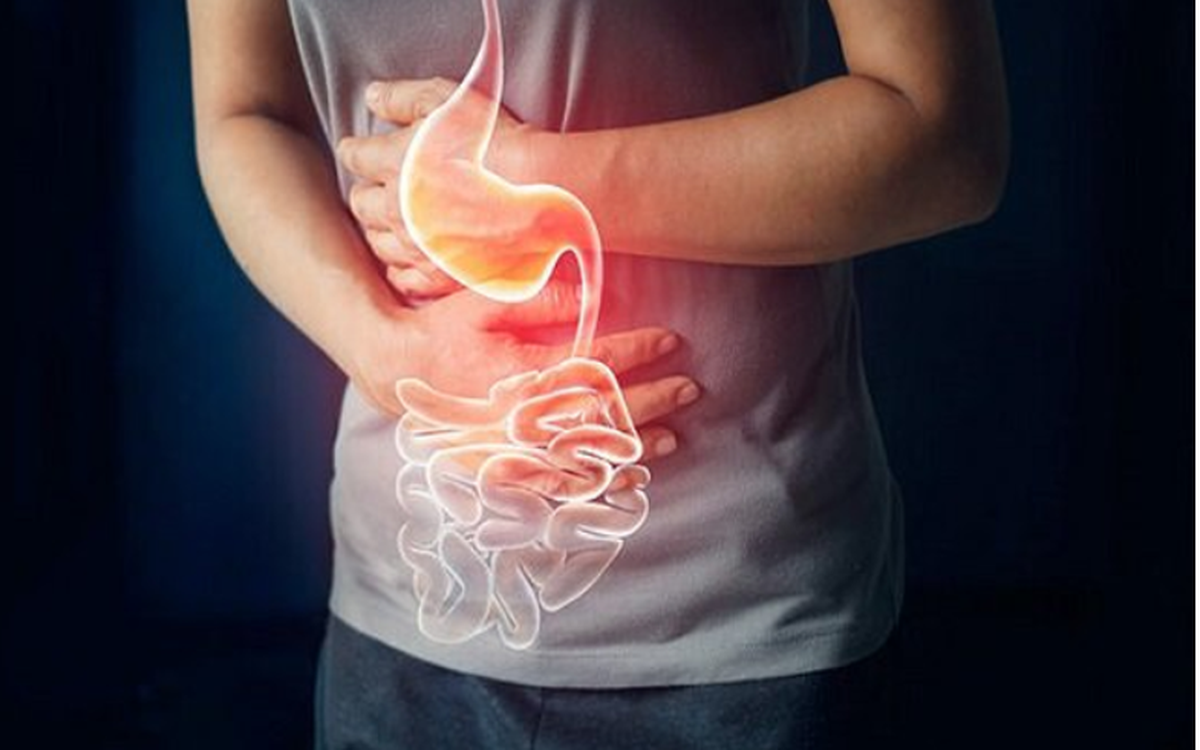
A groundbreaking perspective is emerging in Vietnam regarding male reproductive health, shifting focus from conventional understanding to the intricate world of the gut microbiome. PGS.TS Nguyễn Quang, Chairman of the Vietnam Andrology and Sexology Association, highlights a "hidden world" that silently governs men's reproductive and physiological well-being: the body's microbial ecosystem. With trillions of microorganisms residing within us, particularly in the gut, their influence extends far beyond digestion, impacting crucial functions like sperm quality, testosterone levels, and overall sexual performance.
There is an "invisible world" that silently governs the reproductive and physiological health of men, but has long been overlooked: the microbial system in the body.
For decades, the male reproductive system, including the testes, prostate, and seminal fluid, was presumed to be sterile. However, advancements in gene sequencing technology have overturned this notion. Current studies reveal that these organs possess their own distinct microbial communities, forming a unique "ecosystem." These microbes are not mere passengers; they actively participate in physiological processes, from sperm production to maintaining erectile function. This paradigm shift is crucial, especially for cases of unexplained infertility or erectile dysfunction where traditional tests yield normal results.
In the body of each person, there are trillions of microorganisms, especially concentrated in the gut. Not only do they aid digestion, but this microbial system also affects many important functions, including sperm quality, testosterone levels, and male sexual function.
Clinical observations in Vietnam are increasingly pointing towards the gut microbiome as a potential culprit in cases where psychological factors were previously blamed. "What is called 'psychological' sometimes has a biological basis, and that basis can start with the microbiome," explains PGS.TS Nguyễn Quang. Research indicates that healthy semen typically harbors beneficial bacteria like Lactobacillus and Bifidobacterium. Conversely, dysbiosis, or an imbalance in the microbial community, can lead to an increase in harmful bacteria, consequently degrading sperm quality and increasing sperm DNA damage. This understanding opens new avenues for diagnosis and treatment in male reproductive health within Vietnam.
In many decades, medicine used to think that the male reproductive organs such as the testes, prostate, or semen were sterile environments. However, with the development of gene sequencing technology, this view has changed.
DistantNews Editorial
Originally published by Tuổi Trẻ in Vietnamese. Translated, summarized, and contextualized by our editorial team with added local perspective. Read our editorial standards.
More Stories

From Our Blog

What Gets Lost (and Found) When News Is Translated

The Critical Role of Diaspora Media in Global News

What Travellers Should Know About Countries with Restricted Press

A Digital Nomad's Guide to Following Local News

How the Same Story Looks Different in Different Countries
