


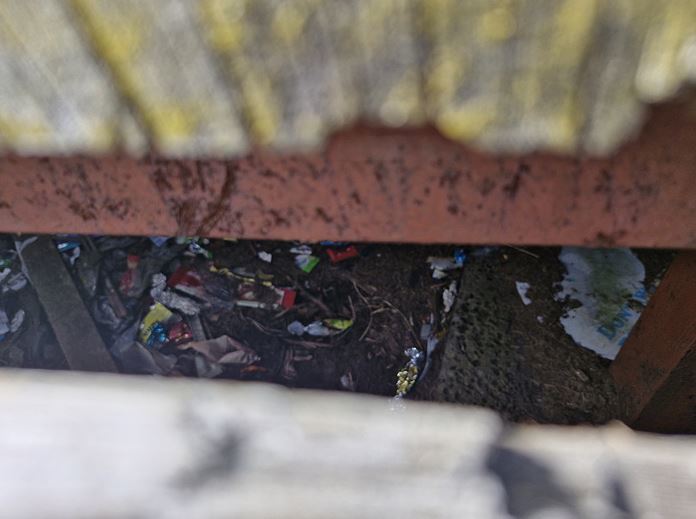
Hallasan Mountain Suffers: 30 Tons of Trash Collected Annually
Translated from Korean, summarized and contextualized by DistantNews.
TLDR
- Hallasan National Park in South Korea collects approximately 30 tons of trash annually.
- The waste, primarily food scraps and plastic bottles, is found along trails and at the summit.
- The park is implementing campaigns like "Take Your Trash Back" and "Don't Leave Ramen Broth" to combat pollution.
The ongoing issue of trash accumulation in Hallasan National Park, with an average of 30 tons collected each year, is a stark reminder of the impact of human activity on natural heritage. While the park's efforts, including regular clean-up drives and campaigns like 'Take Your Trash Back,' are commendable, the persistent problem underscores a need for greater visitor responsibility. The Dong-A Ilbo reports that despite the majority of visitors participating in campaigns, a minority's actions continue to mar the pristine environment. This situation is particularly concerning given Hallasan's status as a UNESCO World Natural Heritage site. From a South Korean perspective, Hallasan is not just a mountain; it's a symbol of national pride and natural beauty. The sight of discarded food waste and plastic bottles detracts from its majesty and poses a threat to its unique ecosystem. The park's management emphasizes that visitor cooperation is paramount, and fines for littering serve as a deterrent, but a deeper shift in consciousness is needed to ensure this natural treasure is preserved for future generations.
Most visitors are participating in the campaign, but some unauthorized dumping is damaging the natural environment.
DistantNews Editorial
Originally published by Dong-A Ilbo in Korean. Translated, summarized, and contextualized by our editorial team with added local perspective. Read our editorial standards.
More Stories



From Our Blog

What Gets Lost (and Found) When News Is Translated

The Critical Role of Diaspora Media in Global News

What Travellers Should Know About Countries with Restricted Press

A Digital Nomad's Guide to Following Local News

How the Same Story Looks Different in Different Countries
