


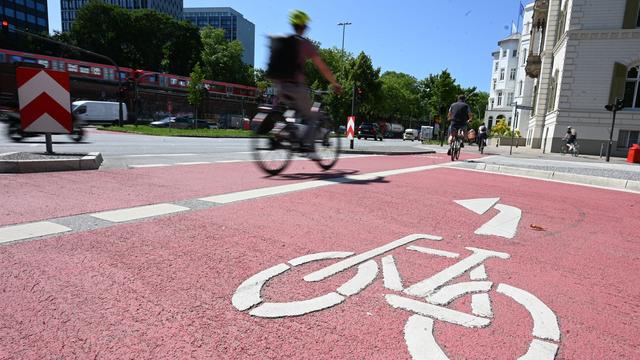
Hamburg Builds Over 8 Kilometers of New Bike Lanes in 2026
Translated from German, summarized and contextualized by DistantNews.
At a glance
News
Named sources
New plan
- Hamburg has built 8.1 kilometers of new bike lanes so far in 2026, with another 45.1 kilometers planned by year's end.
- The city's cycling network currently spans 1,680 kilometers.
- Officials emphasize the bicycle's role in the mobility transition, prioritizing physically separated lanes for safety and convenience.
Hamburg has significantly advanced its cycling infrastructure this year, constructing 8.1 kilometers of new bike lanes by mid-July 2026. An additional 45.1 kilometers are planned before the end of the year, according to a written inquiry by Green Party representatives. This expansion contributes to the city's extensive cycling network, which now totals 1,680 kilometers.
Alongside buses and trains, the bicycle is the heart of the mobility transition.
"The bicycle is the heart of the mobility transition, alongside buses and trains," stated Rosa Domm, spokesperson for mobility for the Green parliamentary group. She highlighted the focus on building physically separated bike lanes wherever space permits. This approach aims to make cycling "simple, convenient, and safe for all people in our city."
This way, we make cycling simple, convenient, and safe for all people in our city.
Echoing these sentiments, Michael Weinreich, spokesperson for bicycle policy for the SPD parliamentary group, stressed the importance of ensuring all road users feel secure. "For that, we need well-developed bike paths. This ensures that more people choose the bicycle in everyday life," he said. The city's commitment to expanding its cycling network underscores its dedication to promoting sustainable and accessible transportation options.
For that, we need well-developed bike paths. This ensures that more people choose the bicycle in everyday life.
DistantNews Editorial
Originally published by Die Zeit in German. Translated, summarized, and contextualized by our editorial team with added local perspective. Read our editorial standards.
More Stories


From Our Blog

What Gets Lost (and Found) When News Is Translated

How the Same Story Looks Different in Different Countries

The Critical Role of Diaspora Media in Global News

What Travellers Should Know About Countries with Restricted Press

A Digital Nomad's Guide to Following Local News
