

Hamburg's Hochbahn uses massive car wash to keep U-Bahns spotless
Translated from German, summarized and contextualized by DistantNews.
At a glance
News
Sources not specified
Context piece
- Hamburg's Hochbahn operates a massive train washing facility in the Farmsen U-Bahn workshop to clean subway cars.
- Trains undergo a 40-minute wash cycle using thousands of liters of water and specialized brushes after 28 days of service.
- The facility recycles 2,500 liters of water per wash, with an additional 1,000 liters sourced from a well.
In Hamburg, the Hochbahn operates an impressive, large-scale washing facility designed to keep its subway trains gleaming. Located within the U-Bahn workshop in Farmsen, this XXL car wash is essential for maintaining the fleet's appearance after periods of urban travel.
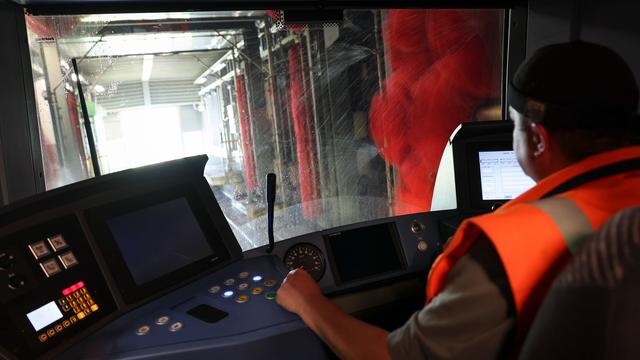
After spending 28 days navigating the city's extensive network, trains are brought in for a thorough cleaning. The process involves a 40-minute wash cycle, where approximately 30 large, red rotating brushes work to remove accumulated dirt. A wash wagon driver assesses the level of grime to determine whether a "normal" or "intensive" wash is required.
Each wash cycle utilizes around 3,500 liters of water. The facility demonstrates a commitment to sustainability by recycling 2,500 liters of this water as greywater. An additional 1,000 liters are drawn from a well, ensuring that potable water is conserved during the cleaning process. The facility employs various specialized brushes, including portal, roof, and side brushes, each designed for specific cleaning tasks.
So it is not drinking water.
DistantNews Editorial
Originally published by Die Zeit in German. Translated, summarized, and contextualized by our editorial team with added local perspective. Read our editorial standards.
More Stories
From Our Blog

What Gets Lost (and Found) When News Is Translated

How the Same Story Looks Different in Different Countries

The Critical Role of Diaspora Media in Global News

What Travellers Should Know About Countries with Restricted Press

A Digital Nomad's Guide to Following Local News
