

Hamilton 'black soot' not expected to pose long-term risk, public health says
Translated from English, summarized and contextualized by DistantNews.
At a glance
News
Official statement
Context piece
- Hamilton Public Health has assessed that a black particulate that fell across parts of the city in early July does not pose a long-term health risk.
- The assessment, based on air quality data and environmental samples, found exposure levels were likely low, with some residents experiencing only mild symptoms.
- While the event contributed to the existing air quality burden, particularly in the north end, the primary source was identified as emissions from Birla Carbon.
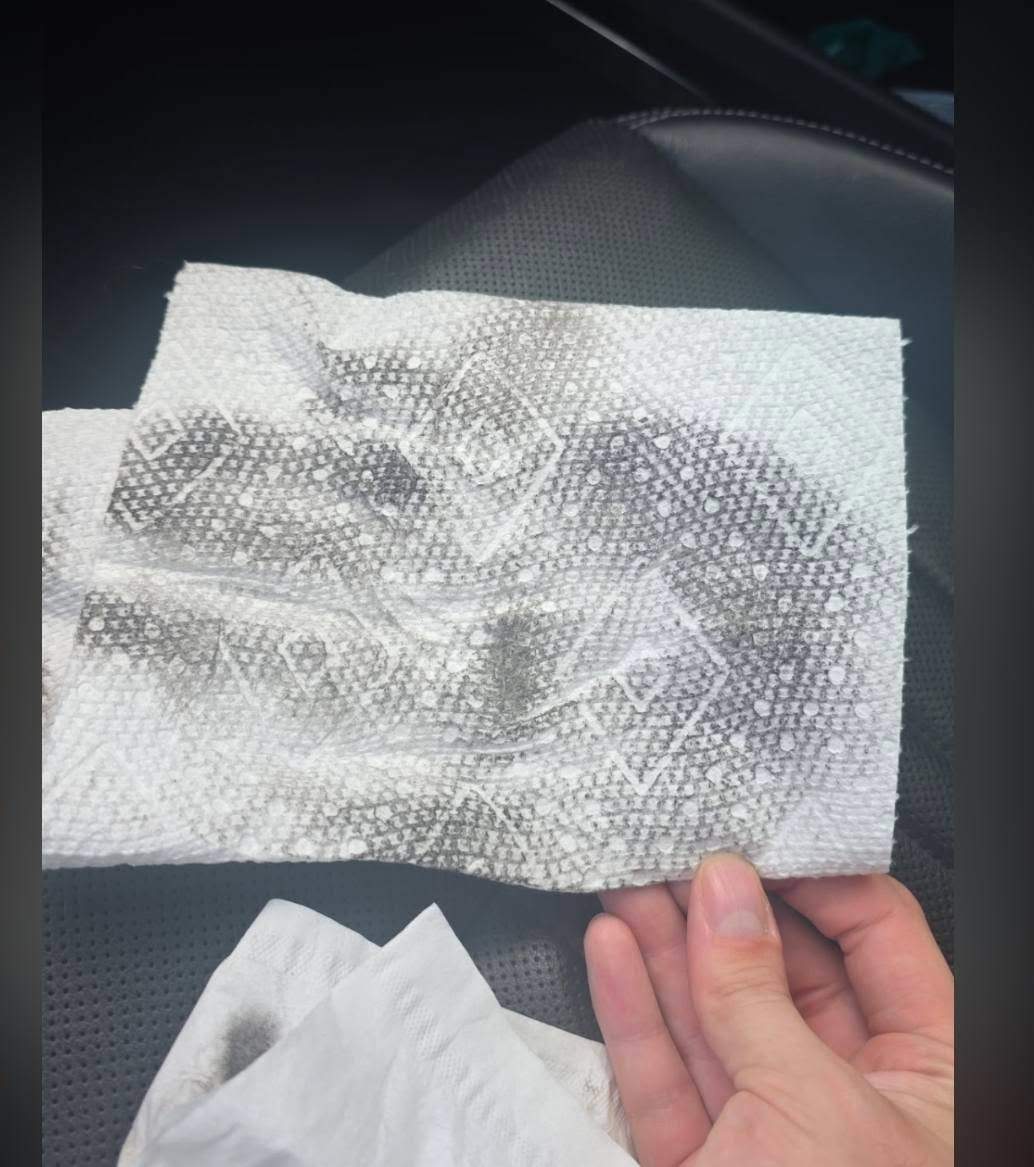
Hamilton Public Health (HPH) officials have concluded that a black particulate matter that settled over parts of the city in early July is unlikely to cause long-term health problems. The agency's assessment, released Thursday, indicates that exposure levels during the event were probably low.
The health and safety of residents remains Hamilton Public Health’s top priority.
Based on air quality data, environmental samples, and the short duration of the incident, HPH determined that while some residents might have experienced minor symptoms like itchy eyes or a sore throat, there was no corresponding increase in emergency department visits for severe conditions. Dr. Elizabeth Richardson, Hamilton's medical officer of health, stated, "The health and safety of residents remains Hamilton Public Health’s top priority." She added that the short-term event "isn’t expected to have long-term health risks on its own," but acknowledged its contribution to the ongoing air quality issues, especially in the city's north end.
This assessment comes amidst long-standing resident concerns about black soot in neighborhoods near Hamilton's industrial sector. Recent research from McMaster University suggested coal combustion as a likely source for this persistent grime, noting its complex composition points to multiple origins. Ontario NDP Leader Marit Stiles has also voiced concerns, highlighting a significant number of complaints filed with the province's environment ministry and questioning the air quality residents are exposed to.
The emissions in early July were a short-term worsening of those Hamiltonians experience on a daily basis. This short-term event isn’t expected to have long-term health risks on its own. However, the event contributes to the existing burden on the airshed, particularly the disproportionate impacts experienced in the north end of Hamilton.
The early July event was primarily attributed to emissions from Birla Carbon on Parkdale Avenue North by Ontario's Ministry of the Environment, Conservation and Parks. Environmental samples from the site mainly contained carbon, with trace amounts of sulfur and mineral particles. Although these substances can be toxic at high concentrations over extended periods, public health officials stated that the combination of air quality data, environmental samples, and rainfall during the event suggested low exposure levels. The assessment also noted instances where particulate matter (PM10) levels exceeded provincial air quality criteria.
What is in the air we are breathing?
DistantNews Editorial
Originally published by Global News in English. Translated, summarized, and contextualized by our editorial team with added local perspective. Read our editorial standards.
More Stories


From Our Blog

What Gets Lost (and Found) When News Is Translated

The Critical Role of Diaspora Media in Global News

What Travellers Should Know About Countries with Restricted Press

A Digital Nomad's Guide to Following Local News

How the Same Story Looks Different in Different Countries
